Water is one of the most essential resources in agriculture, yet it is often unpredictable due to changing weather patterns. In many regions, relying solely on rainfall is no longer sustainable for consistent crop production. This is where irrigation becomes a vital practice. By supplying water to crops at the right time and in the right quantity, irrigation helps farmers maintain productivity, improve crop quality, and ensure food security throughout the year.
Understanding irrigation in modern farming
Irrigation refers to the artificial application of water to soil to support plant growth. It is especially important in areas where rainfall is insufficient, irregular, or poorly distributed. Modern farming depends heavily on irrigation systems to stabilize production and reduce the risks associated with drought and climate change. When done correctly, irrigation not only increases yields but also allows farmers to grow crops during off-seasons when market prices are often higher.
Importance of irrigation for crop production
The role of irrigation in agriculture cannot be overstated. It ensures that crops receive adequate moisture during critical growth stages such as germination, flowering, and fruiting. Without sufficient water, plants experience stress, leading to reduced growth and lower yields. Irrigation also helps dissolve nutrients in the soil, making them easier for plants to absorb. In addition, it supports multiple cropping seasons, enabling farmers to maximize land use and increase income.
Surface irrigation and its practical use
Surface irrigation is one of the oldest and most widely practiced methods of watering crops. In this system, water flows over the surface of the land and gradually infiltrates the soil. It relies on gravity to distribute water across the field. This method is commonly used in areas with flat terrain and is suitable for crops such as rice and maize.
Although surface irrigation is relatively simple and inexpensive to implement, it can lead to water wastage if not managed properly. Uneven distribution and evaporation losses are common challenges. However, with proper field leveling and water control techniques, farmers can improve its efficiency and achieve good results.
Drip irrigation for water efficiency
Drip irrigation is a modern method that delivers water directly to the base of plants through a network of pipes, tubes, and emitters. This system is highly efficient because it minimizes water loss through evaporation and runoff. By targeting the root zone, drip irrigation ensures that plants receive the exact amount of water they need for optimal growth.
This method is particularly suitable for high-value crops such as vegetables and fruits. It also helps reduce weed growth since water is applied only where it is needed. Despite its higher initial installation cost, drip irrigation offers long-term benefits by saving water, reducing labor and improving crop yields.
Sprinkler irrigation and its versatility
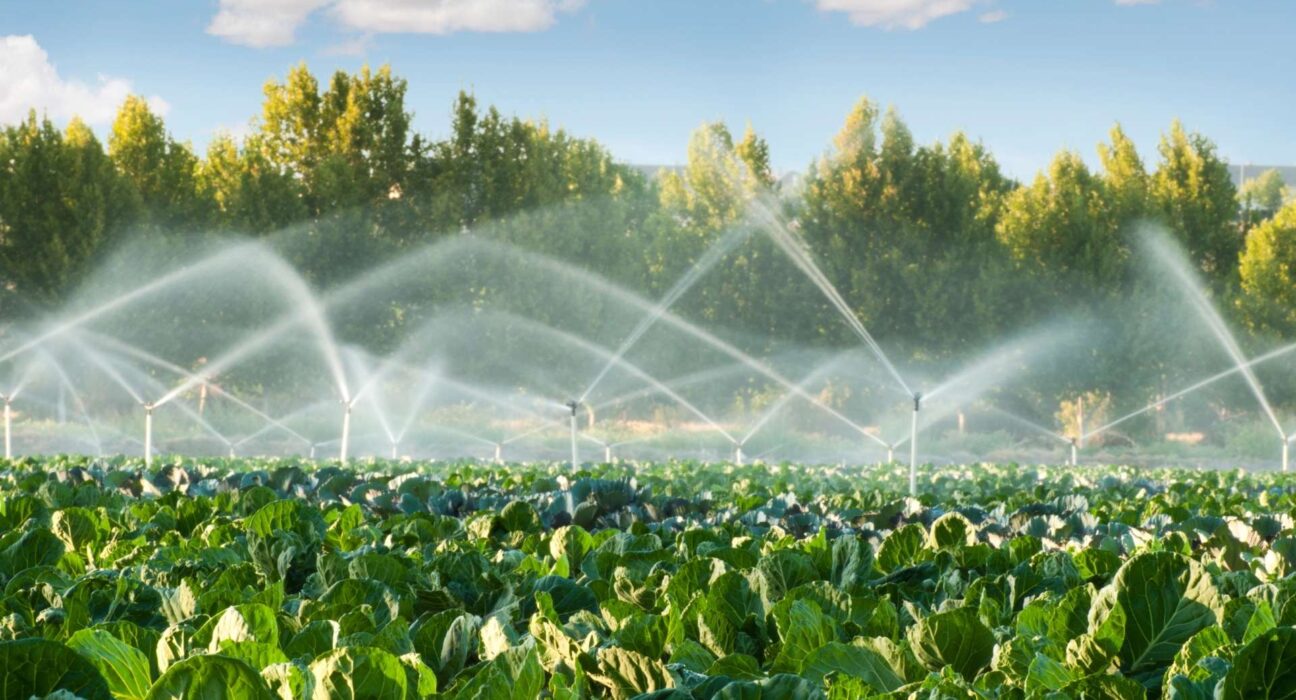
Sprinkler irrigation mimics natural rainfall by spraying water into the air, allowing it to fall evenly over crops. This method is highly versatile and can be used on different types of terrain, including sloped land. It is commonly used for crops such as wheat, coffee and pasture.
One of the main advantages of sprinkler systems is their ability to provide uniform water distribution. However, they can be affected by wind, which may cause uneven watering. Additionally, the system requires energy to pump water, which can increase operational costs. Despite these challenges, sprinkler irrigation remains a popular choice for many farmers due to its flexibility and ease of use.
Subsurface irrigation for advanced farming
Subsurface irrigation is an advanced technique where water is delivered below the soil surface directly to the plant roots. This method reduces water loss significantly since evaporation is minimized. It also helps maintain soil structure and prevents weed growth on the surface.
While subsurface irrigation is highly efficient, it requires careful installation and maintenance. The initial cost can be high, making it more suitable for commercial farming and high-value crops. However, for farmers looking to maximize water use efficiency, this method offers excellent long-term benefits.
Manual irrigation for small-scale farming
Manual irrigation involves the use of simple tools such as watering cans, buckets or hoses to supply water to crops. This method is commonly practiced in small-scale farming and kitchen gardens. It allows farmers to control the amount of water applied to each plant, making it suitable for delicate crops.
Although manual irrigation is cost-effective, it is labor-intensive and time-consuming. It may not be practical for large farms, but it remains an important method for smallholder farmers and urban agriculture.
Choosing the right irrigation method
Selecting the appropriate irrigation system depends on several factors, including water availability, soil type, crop type, farm size and budget. Farmers with limited water resources may benefit from efficient systems like drip or subsurface irrigation. On the other hand, those with larger farms and access to sufficient water may find sprinkler or surface irrigation more practical.
It is also important to consider long-term costs and maintenance requirements. Investing in the right irrigation method can lead to significant savings and increased productivity over time.
Improving irrigation efficiency
To get the most out of any irrigation system, farmers must adopt good management practices. Watering crops during the early morning or late evening reduces evaporation losses. Regular maintenance of irrigation equipment ensures consistent performance. Monitoring soil moisture levels helps prevent overwatering, which can lead to root diseases and nutrient leaching.
Incorporating practices such as mulching can further enhance water retention in the soil. By combining efficient irrigation methods with proper farm management, farmers can achieve sustainable and profitable production.
Irrigation is a cornerstone of modern agriculture, providing farmers with the ability to control water supply and improve crop performance. From traditional surface irrigation to advanced drip and subsurface systems, each method offers unique advantages depending on the farming context. Understanding these irrigation methods and applying them effectively can transform agricultural productivity and ensure resilience in the face of changing climate conditions.
By investing in proper irrigation practices, farmers can secure higher yields, better crop quality and a more stable income throughout the year.

Author: Moureen Koech
Moureen Koech is a passionate Digital Journalist, an adept Agribusiness Writer with a keen eye for news and an impactful story-teller,whose stories provide key value to Agripreneurs and stakeholders in the Agricultural sector