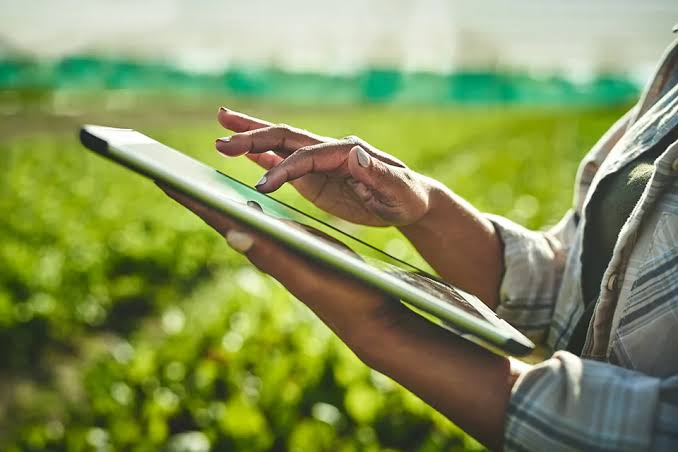
Access to affordable credit remains one of the biggest challenges facing smallholder farmers. Many farmers need money to buy seeds, fertiliser, animal feed, machinery and other farm inputs, but traditional financial institutions may require collateral, formal records or credit histories that small-scale farmers do not have. This has created an opportunity for agricultural financial technology, commonly known as agri-fintech, to provide new ways for farmers to access credit.
Agri-fintech combines agriculture, financial services and digital technology to make financial products more accessible to farmers. Through mobile phones, digital platforms, mobile money and alternative credit assessment systems, farmers can increasingly access loans and other financial services without going through the lengthy processes associated with traditional lending.
What is Agri-Fintech?
Agri-fintech refers to technology-enabled financial services designed specifically for the agricultural sector. These services can include digital loans, mobile payments, agricultural insurance, savings platforms, digital marketplaces and systems that connect farmers with lenders.
For smallholder farmers, one of the most important applications is digital credit. Instead of relying entirely on physical collateral such as land or buildings, some digital lenders can assess a farmer using alternative information such as transaction history, farm records, sales information and repayment behaviour.
This approach can make it easier for farmers who have limited formal financial records to qualify for financing.
Mobile phones are changing agricultural finance
The widespread use of mobile phones has created new opportunities for financial inclusion in rural areas. Farmers can use mobile-based platforms to make payments, receive money and, in some cases, apply for agricultural loans.
Digital applications can reduce the need for farmers to travel long distances to banks or microfinance institutions. Loan applications, approvals and repayments can increasingly be handled electronically.
For farmers in remote areas, this convenience can be particularly important. Instead of spending money and time travelling to a financial institution, they can access services through a mobile device.
Alternative credit scoring for farmers
One of the biggest innovations in agri-fintech is the use of alternative data to assess borrowers. Traditional lenders often look at payslips, bank statements, collateral and formal credit histories. Smallholder farmers may not have all these documents.
Digital financial platforms can potentially use other information to understand a farmer’s financial behaviour. This may include transaction records, previous loan repayments, farm sales and other relevant data, depending on the platform and applicable regulations.
Better credit assessment can help lenders identify farmers who are capable of repaying loans but may previously have been excluded from formal financial services.
Digital lending for farm inputs
Another emerging model involves providing farmers with credit specifically for agricultural inputs. Rather than giving farmers unrestricted cash, some financing models enable them to obtain seeds, fertiliser, pesticides, animal feed or other inputs on credit.
The farmer can then repay after selling the harvest.
This model can address one of the most common problems facing smallholder farmers: insufficient working capital at the beginning of a production cycle. Having access to inputs at the right time can make a significant difference to farm productivity.
However, farmers should carefully examine repayment terms, fees and interest rates before accepting digital credit.
Linking credit to digital marketplaces
Agri-fintech can also connect farmers, buyers and financial institutions through digital platforms. A farmer who sells produce through a digital marketplace may create a transaction record showing their production and sales history.
Such information can potentially help lenders understand the farmer’s income patterns and assess their ability to repay credit.
Digital marketplaces can therefore go beyond simply connecting farmers with buyers. They can become part of a broader agricultural ecosystem that includes payments, financing, insurance and farm management services.
Digital credit for women farmers
Agri-fintech also has the potential to improve financial inclusion among women farmers. Women involved in agriculture can face barriers to accessing formal credit, including limited access to collateral and financial services.
Mobile-based financial products can reduce some of the physical barriers associated with traditional banking. However, digital access alone does not guarantee inclusion. Women farmers also need access to mobile phones, affordable internet, financial education and appropriate financial products.
Financial service providers should therefore design products that reflect the realities of smallholder farmers rather than simply transferring conventional banking services to digital platforms.
The role of agricultural data
Farm records are becoming increasingly important in agricultural finance. Farmers who maintain records of planting dates, input costs, production volumes, sales and expenses can build a clearer picture of their businesses.
Digital farm management tools can make this process easier. Over time, reliable farm data may help farmers demonstrate their economic activity when seeking financing.
For smallholders, this means good record keeping is not only useful for managing a farm. It could also strengthen their ability to access financial services.
Risks farmers should consider
Although agri-fintech offers opportunities, digital credit also carries risks. Farmers can become over-indebted if they take multiple loans without carefully calculating their ability to repay.
Short repayment periods can also create problems when farmers depend on seasonal income. A farmer may receive a loan today but not generate significant revenue until months later when the harvest is sold.
Farmers should therefore compare lenders, understand the total cost of borrowing and check repayment schedules before accepting a loan. They should also avoid borrowing for non-essential expenses when the loan is intended for agricultural production.
Data privacy is another important concern. Farmers should understand what personal and financial information a digital platform collects and how that information may be used.
Opportunities for Kenya’s smallholder farmers
Kenya has a strong foundation for the growth of agri-fintech because of widespread mobile money use, a growing digital economy and a large population of smallholder farmers.
The opportunity extends beyond loans. Digital platforms can provide farmers with access to payments, savings, insurance, market information and financial management tools.
For agricultural entrepreneurs, there is also an opportunity to develop technology that addresses specific challenges faced by farmers, such as input financing, livestock financing, produce payments and agricultural insurance.
The future of Agri-Fintech
The future of agri-fintech will likely involve greater integration between financial services and agricultural activities. Farmers may increasingly access credit, insurance, payments and markets through connected digital platforms.
Artificial intelligence, data analytics and mobile technologies could also improve how lenders assess agricultural businesses and manage risks. However, innovation should be accompanied by responsible lending, transparent pricing and strong consumer protection.
The goal should not simply be to make loans easier to obtain. It should be to provide farmers with financial products that help them invest, manage risks and build sustainable agricultural businesses.
Agri-fintech is creating new opportunities for small farmers who have traditionally struggled to access formal credit. Mobile lending, alternative credit scoring, digital marketplaces and input financing can make agricultural finance faster and more accessible.
However, digital credit is not a solution to every farming challenge. Farmers need affordable financing, reliable markets, financial education and good farm management practices.
As technology continues to transform agriculture, agri-fintech could become an important tool for improving financial inclusion and helping smallholder farmers invest in more productive and resilient farms.

Author: Moureen Koech
Moureen Koech is a passionate Digital Journalist, an adept Agribusiness Writer with a keen eye for news and an impactful story-teller,whose stories provide key value to Agripreneurs and stakeholders in the Agricultural sector