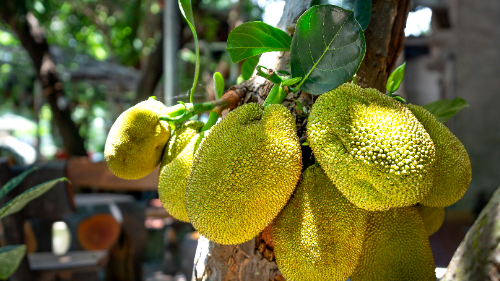
Fruit cracking in jackfruit (Artocarpus heterophyllus) is a serious physiological disorder that significantly affects fruit quality and marketability. This condition occurs when the outer rind of the fruit splits open before harvest, exposing the edible pulp to pests, diseases and environmental damage. For farmers and agribusiness stakeholders, fruit cracking can lead to substantial economic losses due to reduced yield and poor fruit appearance. Understanding the causes and implementing effective management strategies is essential to maintain healthy jackfruit production and improve profitability.
What is fruit cracking in jackfruit?
Fruit cracking refers to the splitting or rupturing of the fruit’s outer skin during the growth or maturation stage. In jackfruit, this issue is particularly concerning because of the fruit’s large size and high water content. Once the rind cracks, the fruit becomes highly susceptible to fungal infections, insect infestation, and rapid deterioration, making it unsuitable for the market.
This disorder is not caused by pests or diseases directly but is mainly influenced by environmental and physiological factors. However, once cracking occurs, secondary infections quickly set in, worsening the damage.
Major causes of fruit cracking in jackfruit
Irregular Water Supply
One of the primary causes of fruit cracking in jackfruit is inconsistent water availability. When trees experience prolonged dry periods followed by sudden heavy rainfall or excessive irrigation, the fruits absorb water rapidly. This leads to a sudden expansion of the fruit’s internal tissues, which the rind cannot withstand, resulting in cracking.
Moisture stress during the fruit development stage is particularly critical. Uneven watering patterns create internal pressure within the fruit, making it more prone to splitting.
Nutrient Imbalance
Nutrient management plays a crucial role in maintaining fruit integrity. Excessive nitrogen fertilization encourages rapid vegetative growth and can lead to softer fruit tissues. At the same time, a deficiency of potassium weakens the fruit rind, reducing its ability to withstand internal pressure.
Potassium is especially important because it strengthens cell walls and improves the elasticity of the fruit skin. Without adequate potassium, the rind becomes fragile and more susceptible to cracking under stress conditions.
Environmental stress factors
Environmental conditions also contribute significantly to fruit cracking. High temperature fluctuations between day and night can cause expansion and contraction of fruit tissues, leading to stress on the rind. Similarly, sudden changes in humidity levels can affect the fruit’s moisture balance.
Strong winds can physically stress the fruit, especially large, mature ones, increasing the likelihood of cracks. Additionally, fruits exposed to direct sunlight without adequate canopy cover are more vulnerable. Excessive heat causes rapid surface drying and expansion, which may trigger splitting.
Rapid fruit growth
Rapid fruit development, especially during the later stages of maturity, can also lead to cracking. When fruits grow too quickly due to favorable conditions such as high moisture and nutrient availability, the rind may fail to keep up with the expanding inner pulp, resulting in splits.
Effects of fruit cracking
Fruit cracking has several negative impacts on jackfruit production. First, it reduces the market value of the fruit since cracked fruits are unattractive and often rejected by buyers. Second, exposed pulp becomes an entry point for pests and pathogens, leading to rotting and spoilage.
Moreover, cracked fruits have a shorter shelf life, making storage and transportation difficult. For farmers targeting export markets or high-value local markets, fruit cracking can severely affect income and business sustainability.
Effective management strategies
Maintain consistent irrigation
Ensuring a regular and balanced water supply is the most important step in preventing fruit cracking. Farmers should avoid long dry spells followed by heavy irrigation. Instead, adopt a consistent watering schedule that maintains uniform soil moisture throughout the fruiting period.
Drip irrigation systems can be particularly effective in providing controlled and steady water supply, reducing moisture stress and minimizing the risk of cracking.
Balanced Fertilization
Applying the right balance of nutrients is essential for healthy fruit development. Farmers should avoid excessive use of nitrogen fertilizers and ensure adequate potassium application. Potassium helps strengthen the fruit rind and improves resistance to cracking.
Incorporating organic matter such as compost can also improve soil fertility and water retention, supporting steady plant growth.
Mulching Practices
Mulching around the base of jackfruit trees helps conserve soil moisture and regulate temperature. Organic mulches such as dry grass, leaves or straw reduce evaporation and prevent sudden fluctuations in soil moisture levels.
This practice is especially beneficial during dry seasons, as it helps maintain a stable growing environment for the tree.
Provide adequate shading
Protecting fruits from direct sunlight can significantly reduce the risk of cracking. A well-managed tree canopy provides natural shading, minimizing temperature stress on the fruit surface.
In areas with intense sunlight, farmers can also use shade nets or protective coverings to shield developing fruits from extreme heat.
Wind Protection Measures
Establishing windbreaks using trees or artificial barriers can help reduce the impact of strong winds on jackfruit orchards. This minimizes physical stress on fruits and lowers the chances of cracking.
Timely harvesting
Harvesting fruits at the right stage of maturity is crucial in preventing cracking. Overripe fruits are more likely to split, especially under fluctuating environmental conditions. Farmers should monitor fruit development closely and harvest promptly when fruits reach optimal maturity.
Selection of resistant varieties
Where possible, farmers should select jackfruit varieties that are less prone to cracking. Improved or locally adapted varieties often have stronger rinds and better tolerance to environmental stress.
Fruit cracking in jackfruit is a major challenge that can significantly reduce yield quality and profitability. By understanding the underlying causes and adopting preventive strategies, jackfruit growers can enhance fruit quality, reduce losses and improve their overall returns. Investing in proper orchard management is key to ensuring sustainable and profitable jackfruit production.

Author: Moureen Koech
Moureen Koech is a passionate Digital Journalist, an adept Agribusiness Writer with a keen eye for news and an impactful story-teller,whose stories provide key value to Agripreneurs and stakeholders in the Agricultural sector