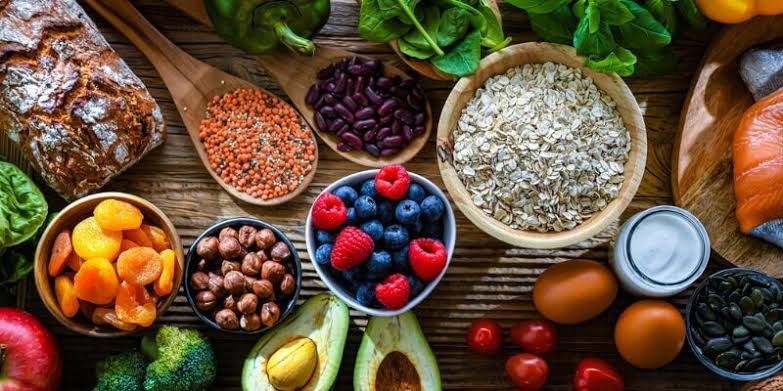
The global demand for healthy, nutrient-rich foods has created a booming market for superfood crops. These crops, known for their high nutritional value and health benefits, are increasingly sought after in international markets. For farmers, especially in regions like Africa, investing in superfood crops for export presents a lucrative opportunity to tap into high-value markets while promoting sustainable agriculture.
What are superfood crops?
Superfood crops are plant-based foods that are exceptionally rich in vitamins, minerals, antioxidants, and other essential nutrients. They are often linked to improved health outcomes, including better immunity, heart health and overall well-being. Examples include chia seeds, quinoa, moringa, avocado and blueberries.
The rise of health-conscious consumers in regions such as Europe, North America and Asia has significantly increased the demand for these crops. As a result, farmers who focus on superfood production can benefit from premium prices and stable export markets.
Why invest in superfood crops?
Superfood crops offer several advantages for farmers looking to expand into export markets. First, they command higher prices compared to traditional crops due to their perceived health benefits. Second, they have a growing and consistent demand globally. Third, many superfoods can be grown in diverse climates, making them suitable for regions like East Africa.
Additionally, superfood farming aligns with sustainable agricultural practices. Many of these crops require fewer chemical inputs and can thrive in organic systems, which further increases their appeal in international markets.
Top superfood crops for export
1. Moringa
Moringa is often referred to as the “miracle tree” due to its exceptional nutritional profile. Its leaves are rich in vitamins A, C, and E, as well as calcium and protein. Moringa powder and oil are highly demanded in the health and beauty industries.
Farmers can easily grow moringa in warm climates with minimal water, making it an ideal crop for semi-arid regions. Its versatility and high market value make it a top choice for export.
2. Avocado
Avocado has become one of the most popular superfoods globally, thanks to its healthy fats and numerous health benefits. The demand for avocados, especially Hass variety, continues to rise in markets like Europe and the Middle East.
With proper orchard management, avocado farming can yield high returns. However, farmers must ensure compliance with export standards, including quality grading and proper packaging.
3. Chia Seeds
Chia seeds are packed with omega-3 fatty acids, fiber and protein. They are widely used in smoothies, cereals and health supplements. The global demand for chia seeds has grown significantly, creating opportunities for farmers to enter export markets.
Chia plants are relatively easy to grow and can adapt to different soil types. With proper harvesting and processing, farmers can achieve high-quality yields suitable for international buyers.
4. Quinoa
Quinoa is a highly nutritious grain known for its high protein content and essential amino acids. It is particularly popular among health-conscious consumers and those following plant-based diets.
Although traditionally grown in South America, quinoa is now being cultivated in Africa due to its adaptability. Exporting quinoa can be highly profitable if farmers meet international quality standards.
5. Blueberries
Blueberries are rich in antioxidants and are widely consumed as fresh fruit or in processed forms. They are in high demand in global markets, especially in Europe and North America.
Blueberry farming requires careful management, including soil preparation and irrigation. However, the high returns make it a worthwhile investment for export-oriented farmers.
Key requirements for exporting superfood crops
To succeed in the export market, farmers must meet specific requirements. These include:
Quality Standards
Export markets have strict quality standards regarding size, color, and freshness. Farmers must ensure their produce meets these requirements to avoid rejection.
Certification
Certifications such as organic certification and GlobalG.A.P. are often required for international trade. These certifications assure buyers of the safety and quality of the products.
Proper packaging and storage
Superfoods must be properly packaged to maintain freshness and prevent damage during transportation. Cold storage and efficient logistics are essential for perishable crops like avocados and blueberries.
Market Research
Understanding target markets is crucial. Farmers should identify countries with high demand for specific superfoods and tailor their production accordingly.
Challenges in superfood export farming
Despite the opportunities, there are challenges associated with exporting superfood crops. These include high initial investment costs, strict export regulations and fluctuating market prices. Additionally, farmers may face logistical challenges such as transportation and access to international markets.
However, these challenges can be mitigated through proper planning, training, and collaboration with export agencies and cooperatives.
Tips for success in superfood farming
Farmers looking to venture into superfood export should consider the following tips:
- Start with a feasibility study to identify the most suitable crops for your region
- Invest in quality seeds and proper farm management practices
- Seek training on export standards and certification processes
- Join farmer cooperatives to access better markets and resources
- Partner with reliable exporters and buyers
Superfood crops for export offer a promising pathway for farmers to increase their income and participate in the global agricultural economy. With rising demand for healthy foods, crops like moringa, avocado, chia seeds, quinoa and blueberries present significant opportunities.
By focusing on quality, certification and market research, farmers can successfully tap into international markets and build sustainable agribusiness ventures. Investing in superfood farming is not just a trend, it is a strategic move toward a more profitable and resilient agricultural future.

Author: Moureen Koech
Moureen Koech is a passionate Digital Journalist, an adept Agribusiness Writer with a keen eye for news and an impactful story-teller,whose stories provide key value to Agripreneurs and stakeholders in the Agricultural sector