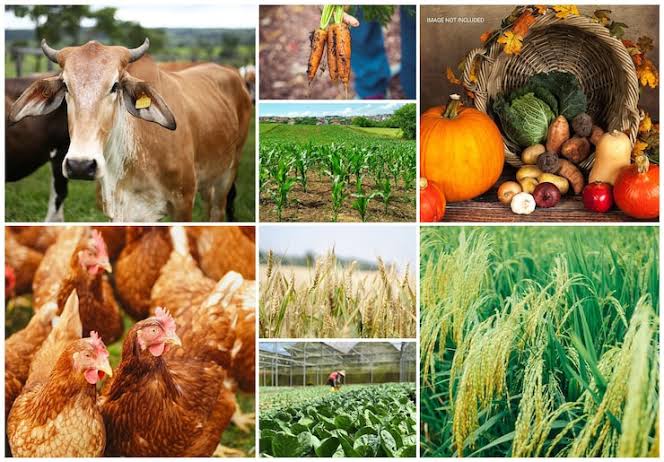
Agriculture is rapidly evolving, and farmers are constantly seeking smarter, more sustainable ways to maximize productivity while minimizing costs. One of the most effective approaches gaining popularity today is the Integrated Farming System (IFS). This model is not just a farming method, it is a complete system designed to create balance, efficiency, and long-term profitability.
What is an Integrated farming system?
An Integrated Farming System (IFS) is a holistic agricultural approach that combines multiple farm enterprises such as crops, livestock, aquaculture, and horticulture within the same piece of land. These components are carefully selected and managed so that each supports and benefits the others.
Unlike conventional farming, where enterprises operate independently, IFS creates a circular system where waste from one activity becomes a valuable input for another. This interconnected structure improves resource use efficiency, reduces external inputs and enhances overall farm productivity.
Key components of an integrated farm
A well-designed integrated farm typically includes several complementary enterprises that work together harmoniously.
Crop Production
Crop farming forms the backbone of most integrated systems. Farmers grow staple crops such as maize, sugarcane, vegetables and fruits. These crops provide food for the household, feed for livestock, and produce for the market.
Crop residues such as maize stalks and vegetable waste are not discarded. Instead, they are used as animal feed or compost material, reducing waste and cutting feeding costs.
Livestock Farming
Livestock such as dairy cattle, goats, and poultry play a central role in IFS. Dairy cows provide milk, goats supply meat, and poultry produce eggs and meat.
More importantly, livestock generate manure, which is a key organic input for the farm. This manure enriches the soil, improves fertility and reduces reliance on chemical fertilizers.
Poultry Keeping
Poultry farming, including chickens and ducks, is an essential component of many integrated farms. Poultry requires relatively low investment and offers quick returns through egg and meat production.
Poultry droppings are rich in nutrients and can be used directly in composting or applied to fish ponds to stimulate natural fish feed growth.
Aquaculture (Fish Farming)
Fish farming adds another layer of productivity to the system. Fish ponds not only produce protein-rich food but also play a vital role in nutrient recycling.
Water from fish ponds is rich in organic nutrients from fish waste. This water can be used to irrigate crops, naturally fertilizing them and improving yields.
Greenhouse Horticulture
Greenhouses or polytunnels allow farmers to grow high-value crops such as vegetables, herbs and flowers under controlled conditions. This ensures consistent production regardless of weather changes.
Greenhouse farming increases efficiency, improves crop quality, and provides a steady income stream throughout the year.
Renewable Energy and Water Systems
Modern integrated farms often incorporate renewable energy sources such as solar panels. Solar energy powers irrigation systems, lighting, and other farm operations, reducing electricity costs.
Water infrastructure, such as elevated tanks and efficient irrigation systems, ensures a reliable water supply for crops, animals, and fish ponds.
How the Integrated System Works
The strength of an Integrated Farming System lies in its circular flow of resources. Each component feeds into the next, creating a self-sustaining cycle.
Crop residues are used to feed livestock. Livestock produce manure, which is applied to crop fields and fish ponds. The nutrient-rich pond water is then used to irrigate crops. Greenhouses produce vegetables for consumption and sale, while renewable energy powers the entire operation.
This cycle minimizes waste, reduces dependency on external inputs, and enhances overall farm efficiency.
Benefits of integrated farming systems
Reduced Production Costs
By recycling farm resources, farmers significantly cut down on expenses such as animal feed, fertilizers and energy. Organic manure replaces chemical fertilizers, and crop residues reduce feed costs.
Multiple Income Streams
IFS allows farmers to earn from different sources including milk, eggs, fish, meat, fruits and vegetables. This diversification spreads risk and ensures a steady income even if one enterprise underperforms.
Improved Soil Fertility
Continuous use of organic manure improves soil structure, increases microbial activity, and enhances long-term soil health. Healthy soils lead to better crop yields and sustainability.
Environmental Sustainability
Integrated farming reduces waste, limits chemical use and promotes biodiversity. It supports eco-friendly farming practices that protect natural resources for future generations.
Employment Creation
An integrated farm requires labor across different activities throughout the year. This creates job opportunities and supports rural livelihoods.
Climate Resilience
Diversified farming systems are more resilient to climate change. If one enterprise is affected by drought or pests, others can still sustain the farm.
Why integrated farming is the future
In regions like Africa, where land resources, climate variability, and economic challenges affect agriculture, Integrated Farming Systems offer a practical and sustainable solution. They maximize land use, improve food security, and increase farm profitability.
With rising input costs and growing environmental concerns, farmers are shifting towards systems that are not only productive but also sustainable. IFS meets both these needs effectively.
An Integrated Farming System is more than just combining different farming activities, it is about creating a balanced, efficient and self-sustaining ecosystem. By linking crops, livestock, fish farming, and modern technologies, farmers can build resilient and profitable agricultural systems.
For small-scale and commercial farmers alike, adopting IFS can transform agriculture into a more reliable and rewarding venture. It feeds families, generates income, protects the environment, and strengthens rural communities, all from a single, well-managed farm.
Integrated farming is not just a trend,it is the future of sustainable agriculture.

Author: Moureen Koech
Moureen Koech is a passionate Digital Journalist, an adept Agribusiness Writer with a keen eye for news and an impactful story-teller,whose stories provide key value to Agripreneurs and stakeholders in the Agricultural sector