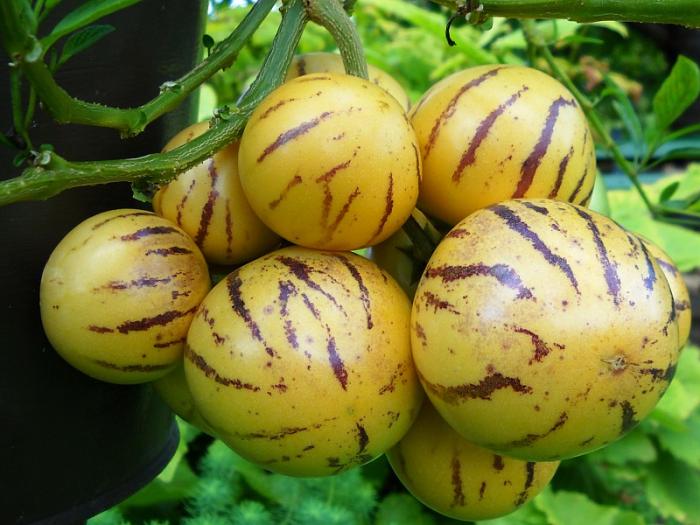
Pepino melon farming is emerging as one of the most promising horticultural ventures in Kenya. Despite its high market value and growing demand, the fruit remains largely underexploited. Pepino melon produces sweet, juicy fruits with a unique flavor often described as a blend of honeydew melon and cucumber. Its refreshing taste, combined with low sugar content and high vitamin C levels, makes it highly attractive to health-conscious consumers.
Supermarkets in Nairobi increasingly stock pepino melons when available, while hotels and restaurants include them in fruit platters and gourmet dishes. However, supply remains limited, creating a clear opportunity for farmers to enter and dominate this niche market.
Why pepino melon farming is profitable
Pepino melon is a high-yield crop with strong commercial potential. A farmer who establishes a pepino farm can begin harvesting within 5 to 6 months. Each plant produces between 30 to 50 fruits annually, and with proper spacing, up to 4,900 plants can be grown per acre.
At an average farm gate price of KES 100 per kilogram, farmers can achieve gross revenues ranging from KES 1.5 million to KES 2.5 million per acre. What makes this crop even more attractive is its longevity, pepino plants can remain productive for up to 4.5 years, providing continuous income without frequent replanting.
Ideal growing conditions in Kenya
Pepino melon thrives in warm, mild climates with moderate rainfall. It performs well in regions such as Central Kenya, Rift Valley and parts of Eastern and Western Kenya. The crop prefers well-drained sandy loam soils rich in organic matter.
Optimal temperatures range between 18°C and 26°C. Extreme cold or excessive heat can affect flowering and fruit development. Farmers are advised to avoid waterlogged soils, as excess moisture can lead to root diseases.
Propagation and planting
Pepino melon is mainly propagated through stem cuttings rather than seeds. Cuttings are preferred because they produce uniform plants with predictable yields. Healthy cuttings should be taken from disease-free mother plants and rooted in a nursery before transplanting.
Land preparation involves plowing and harrowing to create a fine tilth. Organic manure should be incorporated into the soil to improve fertility. Transplanting is best done at the beginning of the rainy season or under irrigation.
Spacing is crucial for maximizing yield. A spacing of approximately 60 cm by 60 cm allows for about 4,900 plants per acre, ensuring optimal plant density without overcrowding.
Trellising and crop support
Pepino melon plants benefit greatly from trellising. Supporting the plants helps keep fruits off the ground, reducing the risk of rot and improving fruit quality.
Trellising also enhances air circulation, reduces pest and disease incidence, and makes harvesting easier. Farmers can use simple stakes, wires or netting systems depending on available resources.
Nutrient management
Proper nutrition is essential for high yields and quality fruits. Pepino melon responds well to organic manure and balanced fertilizers. Before planting, well-decomposed manure should be applied to enrich the soil.
During growth, farmers can supplement with nitrogen, phosphorus and potassium fertilizers to support vegetative growth, flowering, and fruit development. Regular soil testing helps determine the exact nutrient requirements.
Mulching is also recommended, as it conserves moisture, regulates soil temperature and suppresses weeds.
Irrigation and water management
Consistent moisture is important for pepino melon production. While the crop does not tolerate waterlogging, it requires regular watering, especially during dry periods.
Drip irrigation is highly recommended, as it delivers water directly to the root zone while minimizing wastage. Proper irrigation improves fruit size, quality and overall yield.
Pest and disease control
Although pepino melon is relatively hardy, it can still be affected by common pests and diseases. Aphids, whiteflies, and spider mites are some of the pests that may attack the crop.
Diseases such as powdery mildew and root rot can also occur, especially under poor management conditions. Integrated pest management practices, including regular monitoring, proper spacing and use of organic or recommended pesticides, help control these challenges.
Maintaining field hygiene and removing infected plant parts can significantly reduce disease spread.
Harvesting and Post-Harvest Handling
Pepino melons are ready for harvest about 5 to 6 months after planting. The fruits are typically harvested when they develop a creamy yellow color with purple stripes, indicating maturity.
Careful handling during harvesting is important to avoid bruising, as the fruits are delicate. Proper grading, packaging, and storage enhance market value and reduce post-harvest losses.
Farmers targeting premium markets should focus on quality, uniformity, and proper presentation.
Market Opportunities
The demand for pepino melon in Kenya is steadily increasing. Urban markets, supermarkets, hotels, and health-conscious consumers provide reliable outlets for the fruit.
Farmers can also explore value addition opportunities such as juices, fruit salads, and processed products. With proper branding and marketing, pepino melon can become a high-value export crop.
Building relationships with buyers and understanding market requirements are key to maximizing profits.
Financial Projections and Profitability
Pepino melon farming offers impressive financial returns when properly managed. With high plant density and consistent production, farmers can achieve significant yields per acre.
The relatively long productive life of the plant—up to 4.5 years—means that initial investment costs are spread over multiple seasons. This increases profitability and reduces the need for frequent re-establishment.
Farmers who invest in good agronomic practices, irrigation, and market linkages are more likely to achieve maximum returns.
Challenges and risk management
Despite its potential, pepino melon farming has some challenges. Limited awareness, lack of quality planting materials, and inconsistent market supply chains can affect growth of the sector.
To manage these risks, farmers should seek training, source certified planting materials and collaborate with other growers or agribusiness organizations.
Diversifying markets and maintaining consistent quality can also help farmers remain competitive.
Pepino melon farming in Kenya presents a lucrative opportunity for farmers looking to diversify into high-value horticulture. With increasing demand and limited supply, the crop offers strong potential for profitability.
By focusing on proper propagation, good field management, and strategic marketing, farmers can build a sustainable and rewarding agribusiness. As awareness grows, pepino melon is set to become one of the standout crops in Kenya’s agricultural landscape.

Author: Moureen Koech
Moureen Koech is a passionate Digital Journalist, an adept Agribusiness Writer with a keen eye for news and an impactful story-teller,whose stories provide key value to Agripreneurs and stakeholders in the Agricultural sector