Soil salinity is one of the major challenges affecting agricultural productivity across the world. High salt levels in the soil reduce plant growth, lower yields and can eventually make farmland unsuitable for cultivation. In many dry and semi-arid regions, salinity continues to increase due to poor irrigation practices, climate change and inadequate drainage systems.
For farmers, understanding how to manage soil salinity is essential for maintaining healthy crops and improving long-term soil fertility. Proper salinity management not only protects farmland but also helps increase agricultural productivity and profitability.
What is soil salinity?
Soil salinity refers to the accumulation of soluble salts in the soil. These salts may include sodium, calcium, magnesium and potassium compounds. When salt concentration becomes too high, crops struggle to absorb water and nutrients properly.
Salinity usually develops slowly over time, making it difficult to notice in the early stages. However, as salt levels increase, crop performance begins to decline significantly.
Causes of soil salinity
Several factors contribute to soil salinity in agricultural land. One of the main causes is poor irrigation management. Irrigation water often contains dissolved salts and when excess water does not drain properly, these salts remain in the soil.
In hot and dry regions, high evaporation rates worsen the problem. As water evaporates from the soil surface, salts are left behind and gradually accumulate. The use of saline water for irrigation, poor drainage systems, and excessive use of chemical fertilizers can also increase soil salinity.
Natural factors such as weathering of rocks and rising groundwater levels may contribute to salinity in some areas.
Effects of soil salinity on crops
High soil salinity affects crops in many ways. One of the biggest problems is reduced water uptake. Even when the soil appears moist, plants may not absorb enough water because excess salts create stress around the roots.
Salinity also interferes with nutrient absorption, leading to poor crop growth and lower yields. Common symptoms include stunted growth, yellowing leaves, leaf burn and poor seed germination. In severe cases, crops may fail completely.
Different crops respond differently to salinity. Some are highly sensitive, while others can tolerate moderate salt levels.
Signs of saline soils
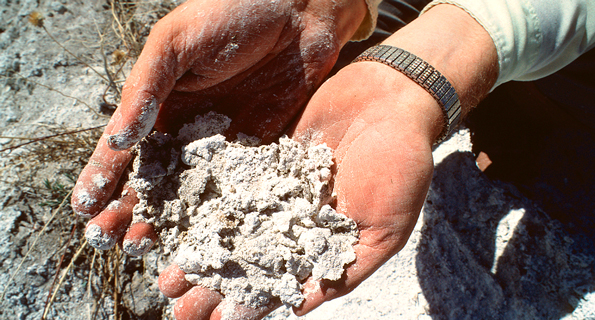
Farmers can identify saline soils through several visible signs. One common sign is the appearance of white salt crusts on the soil surface after water evaporates.
Other indicators include uneven crop growth, poor germination, wilting despite adequate watering and reduced yields. Plants growing in saline soils often appear weak and unhealthy.
Although visual symptoms can provide clues, soil testing remains the most accurate method for determining salinity levels.
Importance of salinity management
Managing soil salinity is essential for protecting agricultural land and ensuring sustainable food production. If left uncontrolled, salinity can continue spreading and permanently damage soil structure.
Effective salinity management improves soil fertility, enhances water movement, and supports healthy plant growth. It also helps farmers reduce crop losses and maintain long-term productivity.
Improving soil drainage
Proper drainage is one of the most effective ways to control soil salinity. Poor drainage traps water in the root zone, allowing salts to accumulate over time.
Farmers can improve drainage by creating drainage channels or installing subsurface drainage systems. Breaking compacted soil layers also improves water movement and prevents waterlogging.
Good drainage allows excess salts to move below the root zone, reducing their impact on crops.
Proper irrigation practices
Efficient irrigation management plays a major role in salinity control. Over-irrigation often increases salt accumulation, especially in poorly drained soils.
Farmers should use good-quality irrigation water whenever possible and apply water carefully to avoid excess buildup. Leaching is another useful technique where extra water is applied to wash salts deeper into the soil profile.
However, leaching only works effectively when proper drainage systems are in place.
Adding organic matter to soil
Organic matter helps improve soil structure and reduces the effects of salinity. Materials such as compost, manure and crop residues increase soil porosity and water infiltration.
Organic matter also supports beneficial soil microorganisms and improves nutrient availability. Soils rich in organic matter are generally more resilient and better able to support healthy crop growth under saline conditions.
Regular application of organic materials is an important part of sustainable soil management.
Growing salt-tolerant crops
In areas with persistent salinity problems, farmers can grow crops that tolerate higher salt levels. Salt-tolerant crops are better adapted to survive and produce reasonable yields under saline conditions.
Examples of relatively salt-tolerant crops include barley, sorghum, cotton, and certain forage grasses. Choosing suitable crop varieties can help farmers maintain production while managing salinity challenges.
Crop rotation with tolerant species can also improve soil conditions over time.
Using soil amendments
Soil amendments are materials added to improve soil quality and reduce salinity effects. Gypsum is one of the most commonly used amendments, especially in sodic soils with high sodium levels.
Gypsum helps replace excess sodium with calcium, improving soil structure and water movement. Proper use of amendments should be based on soil testing to ensure the correct application rate.
Mulching and moisture conservation
Mulching is another effective strategy for salinity management. Mulch reduces water evaporation from the soil surface, helping prevent salt accumulation.
Organic mulches such as straw, grass, or crop residues also improve soil moisture retention and reduce temperature fluctuations. By conserving moisture, mulching creates a better environment for crop growth.
Importance of soil testing
Regular soil testing is critical for monitoring salinity levels and making informed management decisions. Soil analysis helps farmers understand salt concentration, pH levels, and nutrient status.
With accurate information, farmers can choose the best methods for improving soil conditions and preventing further damage.
Testing also helps avoid unnecessary use of fertilizers and amendments, reducing production costs.
Challenges in managing soil salinity
Managing soil salinity can be difficult and costly, especially in severely affected areas. Limited access to quality irrigation water and proper drainage infrastructure often makes the problem worse.
Climate change is also increasing salinity risks in many regions due to rising temperatures and irregular rainfall patterns. Farmers need access to training, modern technologies, and sustainable farming practices to manage these challenges effectively.
Soil salinity is a serious problem that affects crop growth, soil fertility and overall farm productivity. However, with proper management practices, farmers can reduce salt buildup and restore healthy soil conditions.
Improving drainage, practicing efficient irrigation, adding organic matter, growing salt-tolerant crops and conducting regular soil testing are all effective ways to manage salinity. Sustainable soil management not only protects farmland but also ensures better yields and long-term agricultural success.
By taking early action and using the right techniques, farmers can overcome salinity challenges and maintain productive and profitable farms.

Author: Moureen Koech
Moureen Koech is a passionate Digital Journalist, an adept Agribusiness Writer with a keen eye for news and an impactful story-teller,whose stories provide key value to Agripreneurs and stakeholders in the Agricultural sector