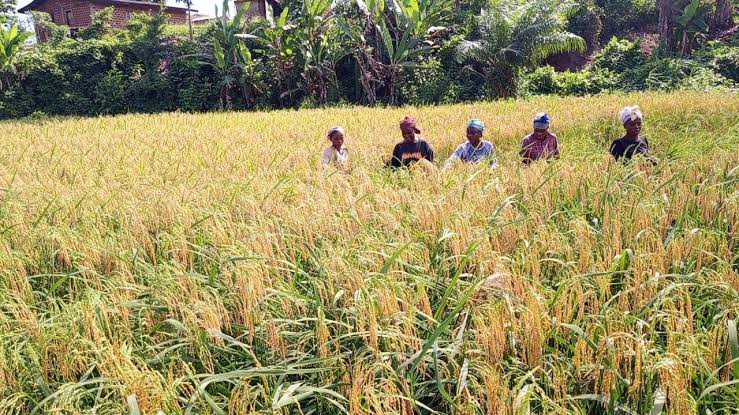
Rice is one of the most important food crops in the world and a major source of income for millions of farmers. As demand for rice continues to grow, adopting the right rice farming methods has become essential for improving yields, reducing production costs and increasing profitability.
Successful rice farming depends on proper land preparation, water management, seed selection, and crop care. Understanding different rice farming methods can help farmers choose the most suitable approach based on climate, soil type and available resources.
Importance of rice farming
Rice is a staple food for a large part of the global population. In many countries, it plays a critical role in food security and rural economies. Apart from household consumption, rice farming creates employment opportunities in production, processing, transportation and marketing.
Modern rice farming methods are helping farmers increase productivity while conserving resources such as water and soil. With proper management, rice farming can become a highly profitable agribusiness.
Traditional rice farming method
The traditional method is one of the oldest rice farming techniques and is still widely practiced in many rural areas. In this method, farmers manually prepare the land, broadcast seeds, and depend heavily on rainfall or basic irrigation systems.
Traditional farming requires low capital investment, making it accessible to small-scale farmers. However, it is labor-intensive and often results in lower yields due to poor spacing, weed competition and inefficient water use.
Despite its limitations, traditional rice farming remains important in areas where access to modern equipment and technology is limited.
Dry rice farming method
Dry rice farming, also known as upland rice farming, is practiced in areas with limited water supply. Rice is grown on dry land without flooding the field continuously.
This method is common in hilly or rain-fed regions where irrigation infrastructure is not available. Farmers rely on rainfall to support crop growth.
Dry rice farming requires good soil fertility management and proper weed control because weeds compete strongly with rice plants in non-flooded conditions. Although yields may be lower compared to irrigated systems, it is suitable for regions facing water shortages.
Wet rice farming method
Wet rice farming is the most common and productive method used worldwide. In this system, rice fields are flooded with water during most stages of crop growth.
Flooding helps:
- Suppress weeds
- Maintain soil moisture
- Support healthy rice development
This method is highly productive because rice thrives well in standing water conditions. However, it requires reliable irrigation systems and proper water management to avoid wastage.
Wet rice farming is widely practiced in lowland areas with adequate water resources.
Irrigated rice farming
Irrigated rice farming uses controlled water supply systems such as canals, pumps, or boreholes to provide water throughout the growing season.
This method allows farmers to:
- Grow rice even during dry seasons
- Increase production consistency
- Achieve higher yields
Because water availability is controlled, farmers can better manage planting schedules and crop growth. Irrigated rice farming is highly productive but may require significant investment in infrastructure and maintenance.
Rain-fed rice farming
Rain-fed rice farming depends entirely on natural rainfall rather than irrigation systems. This method is common in regions with reliable rainy seasons.
While it reduces irrigation costs, rain-fed farming is highly vulnerable to climate change and unpredictable weather patterns. Delayed rainfall or drought can significantly reduce yields.
Farmers practicing rain-fed rice farming often improve success through water conservation techniques and drought-resistant rice varieties.
System of Rice Intensification (SRI)
The System of Rice Intensification is a modern rice farming technique designed to increase productivity while using fewer resources. This method focuses on better plant spacing, reduced water usage and improved soil management.
Key practices in SRI include:
- Planting young seedlings
- Wider spacing between plants
- Alternate wetting and drying instead of continuous flooding
SRI helps improve root growth and increases yields while reducing water consumption. Many farmers are adopting this method because it lowers production costs and promotes sustainable farming.
Direct seeding method
In the direct seeding method, rice seeds are planted directly into the field instead of first raising seedlings in a nursery. This can be done manually or using machinery.
Direct seeding reduces labor requirements and saves time. It is particularly useful in areas facing labor shortages.
However, weed management becomes very important because weeds compete directly with rice seedlings during early growth stages.
Transplanting method
The transplanting method involves first growing seedlings in a nursery and then transferring them to the main field after a few weeks.
This is one of the most popular rice farming methods because it allows:
- Better plant spacing
- Stronger seedlings
- Easier weed management
Although transplanting requires more labor, it often results in higher yields and healthier crops.
Key factors for successful rice farming
Regardless of the farming method used, certain factors are essential for successful rice production. Farmers should choose high-quality seeds suited to their local conditions and ensure proper land preparation before planting.
Soil fertility management is also critical. Applying the right fertilizers at the correct time helps improve crop growth and grain quality.
Water management, pest control, and timely harvesting also play major roles in maximizing yields and reducing losses.
Challenges facing rice farmers
Rice farming comes with several challenges, including climate change, pests, diseases and high production costs. Water shortages and unpredictable rainfall patterns are becoming major concerns in many rice-growing regions.
Farmers can overcome these challenges by adopting modern technologies, using improved seed varieties and practicing sustainable farming methods.
Access to training, extension services, and markets can also help farmers improve productivity and profitability.
Rice farming remains one of the most important agricultural activities worldwide. Choosing the right rice farming method can greatly influence productivity, profitability and sustainability.
Whether using traditional methods, irrigation systems or modern approaches like the System of Rice Intensification, farmers must focus on proper management practices to achieve good results. With increasing demand for rice, adopting efficient and sustainable farming methods offers great opportunities for farmers to improve their incomes and contribute to food security.

Author: Moureen Koech
Moureen Koech is a passionate Digital Journalist, an adept Agribusiness Writer with a keen eye for news and an impactful story-teller,whose stories provide key value to Agripreneurs and stakeholders in the Agricultural sector