


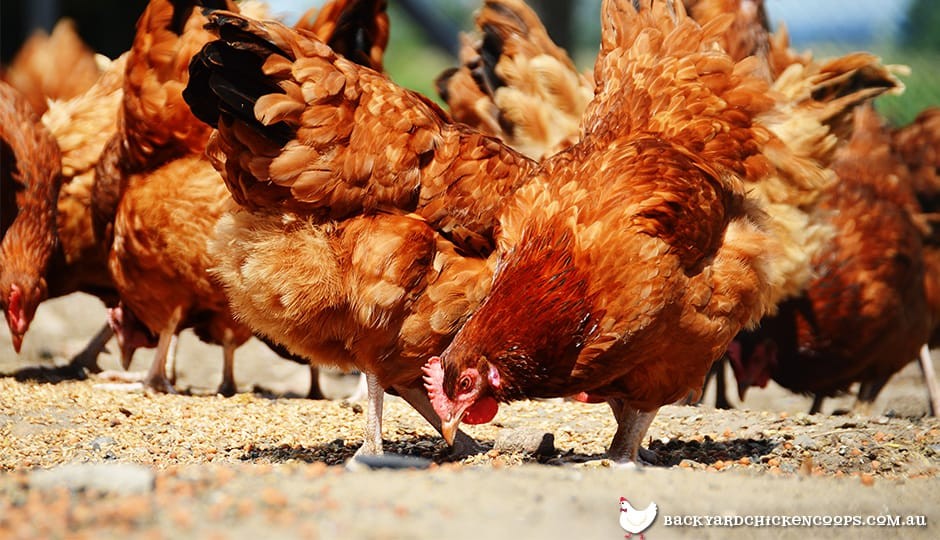
Layer farming is one of the most profitable poultry businesses in Kenya and many parts of Africa. However, successful egg production depends heavily on proper feeding. Layers require balanced nutrition to remain healthy and produce high-quality eggs consistently throughout their productive life. Farmers who provide the best feeds for layers often experience higher egg production, stronger eggshells, healthier birds and increased profits.
Feeding accounts for the largest cost in poultry farming, making feed quality and feeding management very important. Poor nutrition can lead to low egg production, weak eggshells, reduced growth, and disease outbreaks. Understanding the nutritional needs of layer chickens helps farmers choose the right feeds and improve overall farm performance.
Importance of proper feeding in layers
Proper feeding is essential because layers require large amounts of nutrients to support egg production. Egg formation requires proteins, calcium, vitamins, minerals, fats, carbohydrates and clean water. If any nutrient is missing or insufficient, egg production may drop significantly.
Balanced feeds help layers maintain healthy body condition while producing quality eggs. Good nutrition also improves immunity, reducing the chances of disease outbreaks and treatment costs.
Farmers who use poor-quality feeds often experience problems such as soft-shelled eggs, feather loss, cannibalism, poor appetite and low productivity. Proper feeding therefore plays a major role in maximizing profits in poultry farming.
Nutritional requirements for layers
Layers need different nutrients at different stages of growth and egg production. Protein is important for body growth, feather development and egg formation. Carbohydrates and fats provide energy needed for daily activities and egg production.
Calcium is one of the most important minerals for layers because it helps form strong eggshells. Birds lacking enough calcium may produce soft-shelled eggs or stop laying completely.
Vitamins and minerals support immune function, fertility, and proper metabolism. Clean water is equally important because water intake directly affects feed consumption and egg production.
Farmers should ensure feeds contain balanced nutrients suitable for the age and production stage of the birds.
Chick mash for young chicks
Chick mash is the first type of feed given to layer chicks from day one up to about eight weeks of age. This feed contains high protein levels to support rapid growth and strong body development.
Young chicks require sufficient nutrients because early growth affects future egg production potential. Chick mash also contains vitamins and minerals that strengthen the immune system and improve survival rates.
Farmers should provide clean water and fresh chick mash regularly to ensure chicks grow evenly and remain healthy. Proper brooding conditions combined with quality feeding reduce mortality and improve flock performance.
Growers mash for developing layers
Growers mash is fed to pullets from around eight weeks until they are ready to begin laying eggs at approximately eighteen weeks. This feed supports steady growth without causing birds to become overweight.
Overfeeding protein or energy during this stage can lead to excessive body fat, which negatively affects future egg production. Growers mash therefore contains moderate nutrient levels designed for controlled development.
Farmers should monitor body weight and ensure birds grow uniformly during this stage. Proper feeding during the grower phase prepares the reproductive system for efficient egg production later.
Layers mash for egg production
Layers mash is specifically formulated for birds that have started laying eggs. This feed contains higher calcium levels to support eggshell formation and continuous egg production.
Protein levels in layers mash help maintain productivity and body condition. The feed also contains essential vitamins and minerals that improve egg quality and bird health.
Farmers should introduce layers mash gradually when birds start laying to avoid stress and digestive problems. Consistent feeding schedules help maintain stable egg production.
Good-quality layers mash improves egg size, shell strength, yolk quality and laying consistency.
Importance of calcium in layer feeds
Calcium is one of the most critical nutrients in layer farming because eggshells contain large amounts of calcium. A laying hen requires significant calcium daily to produce strong eggshells.
Insufficient calcium causes soft-shelled eggs, cracked eggs, poor egg quality, and reduced egg production. Severe calcium deficiency may also weaken the bird’s bones and cause paralysis.
Farmers can improve calcium intake by providing feeds rich in calcium or supplementing with materials such as limestone, crushed oyster shells, or bone meal.
Vitamin D is also important because it helps birds absorb calcium properly.
Homemade feeds for layers
Some farmers prepare homemade poultry feeds to reduce feeding costs. Homemade feeds can be effective if formulated correctly using quality ingredients.
Common ingredients used in homemade layer feeds include maize germ, wheat bran, sunflower cake, fish meal, soybean meal, lime, salt and vitamin premixes.
However, poor feed formulation may result in nutritional deficiencies that affect productivity. Farmers should seek guidance from livestock nutrition experts before preparing homemade feeds.
Proper storage is also important because poorly stored feeds may develop molds and toxins harmful to birds.
Feeding management tips for layers
Good feeding management is essential for maintaining high egg production. Farmers should provide feed consistently at the same times each day because sudden changes may stress birds and reduce laying.
Clean feeders help prevent contamination and disease spread. Feed wastage should also be minimized because poultry feed is expensive.
Birds should always have access to clean drinking water because dehydration reduces feed intake and egg production. Water containers should be cleaned regularly to maintain hygiene.
Farmers should also monitor feed consumption closely because sudden changes in appetite may indicate disease or management problems.
Common feeding mistakes farmers make
Many poultry farmers make mistakes that reduce productivity and profits. One common mistake is feeding poor-quality or expired feeds. Low-quality feeds often lack essential nutrients needed for egg production.
Overfeeding or underfeeding birds also affects productivity. Excess feeding causes obesity while insufficient feeding weakens birds and reduces egg production.
Some farmers fail to adjust feeds according to the birds’ age and production stage. Using the wrong feed type can negatively affect growth and laying performance.
Poor feed storage is another common problem. Feeds exposed to moisture may develop mold toxins that harm birds and reduce productivity.
Proper feeding is one of the most important factors in successful layer farming. Layers require balanced feeds rich in proteins, calcium, vitamins, minerals and energy to maintain high egg production and good health.
Farmers should provide the correct feed type at each growth stage, including chick mash, growers mash, and layers mash. Good feeding management, clean water, and proper feed storage further improve productivity and profitability.
By investing in quality feeds and proper nutrition, poultry farmers can achieve stronger birds, better egg quality and increased profits from layer farming.

Author: Moureen Koech
Moureen Koech is a passionate Digital Journalist, an adept Agribusiness Writer with a keen eye for news and an impactful story-teller,whose stories provide key value to Agripreneurs and stakeholders in the Agricultural sector


