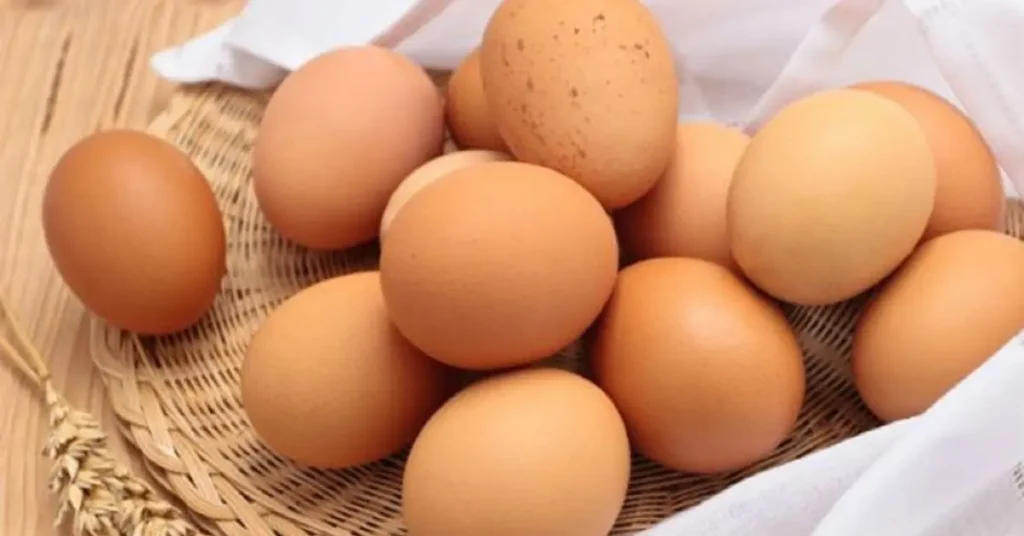
Egg size is one of the most important factors in profitable layer farming. Larger eggs usually attract better market prices and increase farm income. Many poultry farmers struggle with small egg sizes, especially during the early laying period or when birds are poorly managed. While genetics play a role in determining egg size, proper feeding, management and bird health greatly influence the final results.
Farmers do not always need expensive supplements or chemicals to improve egg size. Natural management practices such as balanced feeding, proper lighting, clean water and stress reduction can significantly improve egg quality and size. Understanding the factors that affect egg production helps farmers raise healthier layers that consistently produce bigger eggs.
Factors that affect egg size
Several factors influence the size of eggs produced by layer chickens. Genetics is one of the main factors because some breeds naturally produce larger eggs than others. Commercial layer breeds such as Hy-Line, Lohmann, and Isa Brown are known for producing larger eggs under proper management.
Age also affects egg size. Young hens usually begin laying smaller eggs, but egg size increases gradually as the birds mature. Older hens often produce larger eggs, although production rates may decline with age.
Nutrition is another major factor. Layers require balanced feeds rich in proteins, calcium, vitamins, minerals, and energy to support proper egg formation. Poor nutrition often results in smaller eggs and weak eggshells.
Environmental conditions such as temperature, lighting, stress and water availability also affect egg size and overall productivity.
Provide high-quality layer feeds
Proper feeding is the most important factor in increasing egg size naturally. Layers require balanced diets that provide enough nutrients for egg formation and bird maintenance.
Protein is especially important because eggs contain large amounts of protein. Layers lacking sufficient protein often produce smaller eggs. Farmers should use high-quality layers mash containing adequate protein levels to support egg production.
Energy-rich feeds such as maize and wheat help birds maintain body condition and support larger egg formation. Birds that do not receive enough energy may reduce egg size and productivity.
Farmers should avoid sudden feed changes because this may stress birds and affect egg production negatively.
Increase calcium intake
Calcium is essential for producing strong eggshells and healthy eggs. Although calcium mainly affects shell quality, insufficient calcium can also interfere with overall egg development.
Natural calcium sources such as limestone, crushed oyster shells, bone meal, and eggshell powder can help improve egg quality. Farmers should provide enough calcium, especially during peak egg production periods.
Vitamin D is also important because it helps chickens absorb calcium effectively. Birds exposed to sunlight usually absorb calcium better due to natural vitamin D production.
Providing proper calcium levels helps layers remain healthy and productive throughout the laying cycle.
Lconstant access to clean ater
Water is one of the most overlooked factors in poultry farming. Eggs contain a large amount of water, meaning dehydration can quickly reduce egg production and egg size.
Layers should always have access to clean, fresh drinking water throughout the day. During hot weather, water intake increases significantly because birds lose more moisture through heat stress.
Dirty or contaminated water can spread diseases and reduce feed intake, affecting overall productivity. Farmers should clean drinkers regularly and ensure enough watering points are available for all birds.
Consistent water supply improves feed digestion, nutrient absorption, and egg formation.
Reduce stress in layers
Stress negatively affects egg production and egg size. Birds under stress often eat less, lose weight and produce smaller eggs.
Common causes of stress include overcrowding, excessive noise, poor ventilation, predators, sudden feed changes, rough handling, and high temperatures. Farmers should create calm and comfortable environments for their layers.
Proper stocking density allows birds enough space to move freely and access feed comfortably. Poultry houses should also have good ventilation to reduce heat stress and improve airflow.
Minimizing stress helps birds maintain stable production and improve egg size naturally.
Use proper lighting management
Lighting plays a major role in egg production because it stimulates the reproductive system of layer chickens. Layers generally require about sixteen hours of light daily for maximum productivity.
Insufficient lighting can reduce egg production and slow egg development. Farmers may use artificial lighting during early mornings or evenings to maintain proper light duration.
However, extremely bright lighting may increase stress and aggressive behavior among birds. Moderate and consistent lighting schedules help maintain healthy laying patterns and improve egg size.
Good lighting management is especially important during short daylight seasons.
Maintain good bird health
Healthy birds are more productive and produce larger eggs. Diseases and parasite infestations weaken chickens, reduce feed intake, and interfere with nutrient absorption.
Farmers should follow proper vaccination schedules and maintain strict hygiene inside poultry houses. Common poultry diseases such as Newcastle disease, coccidiosis, and infectious bronchitis can reduce egg production significantly.
Regular deworming also helps improve nutrient utilization because worms compete with birds for nutrients. Clean housing conditions reduce disease risks and improve bird comfort.
Farmers should isolate sick birds immediately to prevent disease spread within the flock.
Choose good layer breeds
Some chicken breeds naturally produce larger eggs than others. Farmers aiming for large egg production should choose commercial layer breeds with strong genetic potential.
Breeds such as Isa Brown, Lohmann Brown, Hy-Line Brown and Bovans are known for good egg production and larger egg sizes. Indigenous chickens generally produce smaller eggs compared to commercial layers.
Buying chicks from reputable hatcheries helps farmers access high-quality breeds with good productivity traits.
Good genetics combined with proper management produce the best results in layer farming.
early laying stimulation
Some farmers try to force birds into early laying using excessive lighting or high-energy feeds. This practice often results in smaller eggs because the reproductive system is not fully developed.
Allowing pullets to mature properly before laying improves long-term productivity and egg size. Farmers should follow recommended feeding and lighting programs according to the birds’ age.
Birds that begin laying at the proper maturity stage usually maintain better egg size and production consistency.
Increasing egg size naturally requires proper nutrition, good management, and healthy birds. Farmers should provide balanced layer feeds rich in proteins, calcium, vitamins, and energy while ensuring birds always have access to clean water.
Stress reduction, proper lighting, disease prevention, and choosing quality layer breeds also play important roles in improving egg size. Farmers who maintain healthy and comfortable environments for their birds are more likely to achieve consistent production of large, high-quality eggs.
With proper poultry management and natural feeding practices, farmers can improve egg size, increase profits and build successful layer farming businesses.

Author: Moureen Koech
Moureen Koech is a passionate Digital Journalist, an adept Agribusiness Writer with a keen eye for news and an impactful story-teller,whose stories provide key value to Agripreneurs and stakeholders in the Agricultural sector