


Low milk production is one of the biggest challenges affecting dairy farmers in Kenya and many parts of Africa. Dairy farming can be highly profitable, but poor milk yields reduce income and increase production costs. Many farmers invest heavily in dairy cows but fail to achieve expected milk production due to poor management practices, inadequate feeding, diseases and environmental stress.
Milk production depends on several factors including breed, nutrition, health, water availability, housing, and general farm management. When dairy cows are not managed properly, milk yields decline significantly. Understanding the causes of low milk production helps farmers improve dairy performance, increase profits and maintain healthy cows.
Poor feeding and nutrition
Poor nutrition is one of the leading causes of low milk production in dairy cows. Milk production requires large amounts of energy, proteins, vitamins, minerals, and water. Cows that do not receive balanced diets cannot produce enough milk.
Many farmers rely only on poor-quality pasture or crop residues that lack sufficient nutrients. During dry seasons, feed shortages become more severe, leading to reduced milk yields and weight loss.
Dairy cows require quality fodder such as Napier grass, lucerne, maize silage, hay and commercial dairy meal to support milk production. Protein-rich feeds are especially important because milk contains high levels of protein.
Mineral supplements also improve cow health, fertility and milk yield. Farmers should provide balanced feeding programs according to the cow’s production stage and body condition.
Inadequate water supply
Water is extremely important in dairy farming because milk contains a large percentage of water. A dairy cow producing high amounts of milk requires large quantities of clean drinking water daily.
Cows that lack enough water reduce feed intake and milk production quickly. Dirty or contaminated water may also spread diseases and reduce cow health.
During hot weather, water requirements increase even further because cows lose more moisture through sweating and heat stress.
Farmers should ensure dairy cows have constant access to clean and fresh water throughout the day. Water troughs should be cleaned regularly to maintain hygiene.
Poor dairy cow breeds
Genetics play a major role in milk production. Some dairy breeds naturally produce more milk than others. Farmers who keep poor-quality or low-producing breeds may struggle to achieve high milk yields even with good feeding.
Common high-producing dairy breeds include Friesian, Ayrshire, Jersey and Guernsey. Indigenous breeds are generally more resistant to diseases and harsh climates but usually produce lower milk quantities.
Poor breeding practices and inbreeding can also reduce milk production potential. Farmers should use quality breeding programs and obtain animals from reliable breeders.
Crossbreeding can help combine good milk production with disease resistance and adaptability.
Diseases and health problems
Diseases significantly reduce milk production in dairy cows. Sick animals eat less, lose weight, and divert energy toward fighting infections instead of producing milk.
Mastitis is one of the most common diseases affecting dairy cows. It is an infection of the udder that reduces milk quantity and quality. Cows with mastitis may produce clotted or watery milk and experience swollen udders.
Other diseases such as East Coast Fever, Foot and Mouth Disease, brucellosis, and internal parasites also affect milk production.
Regular vaccination, deworming, and veterinary checkups help maintain healthy cows and improve productivity. Early disease detection and treatment are very important in dairy farming.
Poor housing conditions
Poor housing creates stressful and unhealthy conditions that reduce milk production. Dairy cows require clean, dry, and comfortable housing environments to remain productive.
Dirty and wet housing increases the risk of infections such as mastitis and foot diseases. Poor ventilation causes heat stress and respiratory problems that affect cow health.
Overcrowding also increases stress and competition for feed and water. Stress negatively affects appetite, digestion, and milk production.
Farmers should provide well-ventilated dairy sheds with proper drainage, enough resting space and clean bedding materials.
Heat stress in dairy cows
High temperatures can greatly reduce milk production, especially in exotic dairy breeds. Heat stress causes cows to eat less feed, drink more water, and become uncomfortable.
When cows experience excessive heat, they divert energy toward cooling the body instead of producing milk. Milk yields may drop significantly during hot seasons.
Farmers can reduce heat stress by providing shade, proper ventilation, clean water, and cooling systems where possible. Trees and open-sided sheds help improve airflow and reduce heat buildup.
Feeding cows during cooler parts of the day may also improve feed intake during hot weather.
Poor milking practices
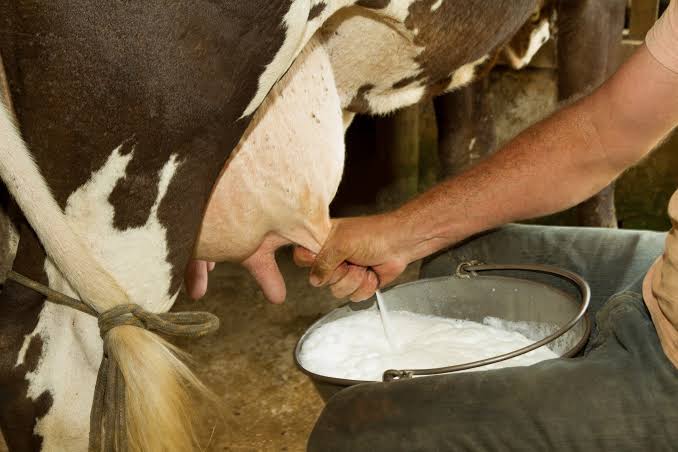
Improper milking techniques can reduce milk production and increase disease risks. Rough handling during milking stresses cows and interferes with milk let-down.
Inconsistent milking schedules also affect productivity because dairy cows respond well to routine. Delayed milking causes discomfort and may reduce future milk yields.
Poor milking hygiene increases the risk of mastitis infections that damage the udder and lower production.
Farmers should milk cows gently, maintain clean equipment, and follow consistent milking times every day.
Poor reproductive management
Reproductive problems affect milk production because cows need regular calving cycles to maintain lactation. Infertility, delayed breeding, and long calving intervals reduce overall milk output.
Poor nutrition, diseases, and weak heat detection often contribute to reproductive problems in dairy cows.
Farmers should monitor breeding cycles carefully and ensure cows receive proper nutrition before and after calving. Artificial insemination and quality breeding services can also improve herd productivity.
Good reproductive management helps maintain consistent milk production throughout the year.
Internal and external parasites
Parasites weaken dairy cows and reduce productivity by competing for nutrients and causing stress. Internal parasites such as worms affect digestion and nutrient absorption, leading to poor body condition and reduced milk yields.
External parasites such as ticks and lice also stress cows and spread diseases like East Coast Fever.
Regular deworming, spraying, and proper pasture management help control parasite infestations and improve dairy performance.
Healthy cows utilize feed more efficiently and produce more milk.
Poor record keeping
Many dairy farmers fail to keep proper production records, making it difficult to identify causes of low milk production. Good records help farmers monitor milk yields, breeding dates, feed usage, treatments, and disease outbreaks.
Without records, farmers may overlook management problems affecting productivity. Record keeping also helps farmers make informed decisions about feeding, breeding, and herd management.
Simple dairy records can greatly improve farm efficiency and profitability.
Low milk production is caused by several factors including poor feeding, inadequate water, diseases, poor housing, heat stress, poor genetics and weak management practices. Dairy cows require balanced nutrition, clean water, good housing, and proper healthcare to achieve high milk yields.
Farmers can improve milk production by using quality dairy breeds, maintaining proper feeding programs, controlling diseases, reducing stress and following good milking practices. Regular veterinary care and proper record keeping also help improve dairy farm performance.
With good management and proper care, dairy farmers can increase milk production, improve cow health and achieve better profits from dairy farming.

Author: Moureen Koech
Moureen Koech is a passionate Digital Journalist, an adept Agribusiness Writer with a keen eye for news and an impactful story-teller,whose stories provide key value to Agripreneurs and stakeholders in the Agricultural sector


