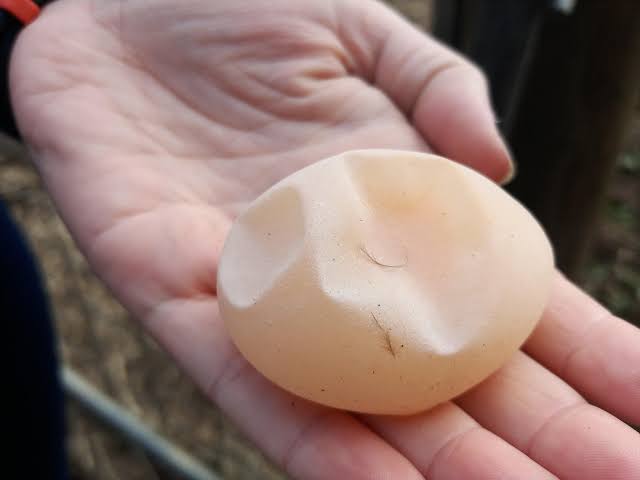
Soft-shelled eggs are a common problem in poultry farming, especially in layer production. These eggs have weak, thin, or rubbery shells that break easily during collection, transportation or storage. Soft-shelled eggs reduce market value, increase losses, and indicate underlying problems in flock management or nutrition.
Eggshell quality is very important because strong shells protect the egg contents from contamination and damage. When layers begin producing soft-shelled eggs regularly, farmers should identify the cause quickly to prevent further losses. Several factors such as poor nutrition, diseases, stress, age and poor management practices can contribute to weak eggshell formation.
Understanding the causes of soft-shelled eggs helps farmers improve egg quality, maintain healthy birds, and increase profits in poultry farming.
Calcium deficiency in layers
Calcium deficiency is one of the main causes of soft-shelled eggs in poultry farming. Eggshells are made mostly of calcium, meaning laying hens require large amounts of this mineral every day.
If birds do not receive enough calcium through their feeds, the body struggles to produce strong eggshells. Layers may then produce thin, soft or shell-less eggs.
Poor-quality feeds or incorrect feed formulation often lead to calcium deficiency. Farmers should provide layers mash containing adequate calcium levels to support proper shell formation.
Additional calcium sources such as limestone, crushed oyster shells, bone meal, or eggshell powder can also help improve shell quality naturally.
Lack of Vitamin D
Vitamin D plays an important role in calcium absorption and utilization in chickens. Even when birds receive enough calcium, they may still produce soft-shelled eggs if vitamin D levels are low.
Without adequate vitamin D, calcium cannot be absorbed properly into the bloodstream and used for eggshell formation. Birds kept in poorly lit or overcrowded houses may suffer from vitamin D deficiency due to limited sunlight exposure.
Most commercial poultry feeds contain vitamin D supplements, but farmers should still ensure proper feeding and management practices.
Exposure to natural sunlight can also help improve vitamin D production in birds.
Poor quality layer feeds
Feeding low-quality or expired feeds can lead to nutritional deficiencies that affect eggshell strength. Some feeds may contain insufficient minerals, proteins or vitamins required for egg production.
Farmers sometimes buy cheap feeds to reduce production costs, but poor-quality feeds often result in reduced productivity and poor egg quality.
Improper storage of feeds can also reduce nutrient quality. Feeds exposed to moisture may develop mold and toxins that affect bird health and productivity.
Farmers should buy feeds from reputable manufacturers and store them in dry, clean conditions to maintain quality.
Stress in layer chicken
Stress is another major factor that contributes to soft-shelled eggs. Birds under stress may experience disruptions in egg formation, leading to weak shells or shell-less eggs.
Common causes of stress include overcrowding, excessive heat, poor ventilation, sudden feed changes, rough handling, predators and loud noises.
Heat stress is especially dangerous because high temperatures reduce feed intake and calcium absorption. Birds experiencing heat stress may produce fewer eggs with weaker shells.
Farmers should maintain calm and comfortable poultry environments to reduce stress and improve productivity.
Diseases that affect eggshell quality
Several poultry diseases interfere with normal egg formation and result in soft-shelled eggs. Infectious Bronchitis is one of the most common diseases affecting eggshell quality in layers.
This viral disease damages the reproductive system and causes thin-shelled, misshapen or shell-less eggs. Newcastle disease and Egg Drop Syndrome can also reduce shell quality and egg production.
Sick birds often show additional symptoms such as coughing, diarrhea, weakness, reduced appetite and low egg production.
Vaccination programs and good biosecurity practices help prevent disease outbreaks and maintain healthy flocks.
Age of the birds
The age of layer chickens also affects eggshell quality. Young pullets that have just started laying may occasionally produce small or soft-shelled eggs because their reproductive systems are still developing.
Older hens may also experience weaker shell quality as calcium absorption efficiency decreases with age. Egg production remains high, but shell quality may decline gradually.
Proper nutrition becomes even more important for older birds to maintain strong eggshell formation.
Farmers should monitor flock age and replace unproductive birds when necessary to maintain good production standards.
Excessive salt in feeds
Too much salt in poultry feeds can interfere with calcium metabolism and contribute to soft-shelled eggs. Excess salt may also increase water consumption and stress levels in birds.
Improper homemade feed formulation sometimes results in excessive salt levels. Farmers preparing homemade feeds should follow recommended feed formulations carefully.
Balanced mineral levels are important for healthy egg production and bird health.
Inadequate water supply
Water is essential for all body functions in poultry, including egg formation. Dehydrated birds often reduce feed intake, which lowers nutrient consumption and affects eggshell quality.
Layers should have continuous access to clean drinking water throughout the day. Water shortages during hot weather are especially harmful because birds require more water to regulate body temperature.
Dirty or contaminated water can also spread diseases that affect productivity and egg quality.
Proper watering systems and regular cleaning of drinkers improve bird health and egg production.
Poor Lighting management
Lighting affects the reproductive system of layers and influences egg production. Inconsistent or insufficient lighting may disrupt egg formation and contribute to shell quality problems.
Layers generally require about sixteen hours of light daily for stable egg production. Sudden changes in lighting schedules may stress birds and affect shell formation.
Moderate and consistent lighting programs help maintain healthy laying patterns and better egg quality.
Genetic Factors
Some chicken breeds naturally produce stronger eggshells than others. Commercial layer breeds are usually selected for high egg production and good shell quality.
Poor breeding practices or weak genetic lines may result in birds prone to shell quality problems. Farmers should purchase chicks from reputable hatcheries with good breeding programs.
Good genetics combined with proper nutrition and management produce the best results in layer farming.
Soft-shelled eggs are a common challenge in poultry farming and can lead to major financial losses if not addressed early. The main causes include calcium deficiency, lack of vitamin D, poor-quality feeds, stress, diseases, poor lighting, dehydration and age-related factors.
Farmers can prevent soft-shelled eggs by providing balanced layer feeds rich in calcium and vitamins, maintaining proper housing conditions, reducing stress, and following vaccination programs. Clean water, good lighting management and quality genetics also play important roles in improving eggshell quality.
With proper feeding and poultry management practices, farmers can produce strong, high-quality eggs and improve profitability in layer farming.

Author: Moureen Koech
Moureen Koech is a passionate Digital Journalist, an adept Agribusiness Writer with a keen eye for news and an impactful story-teller,whose stories provide key value to Agripreneurs and stakeholders in the Agricultural sector