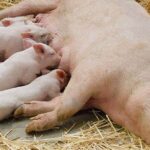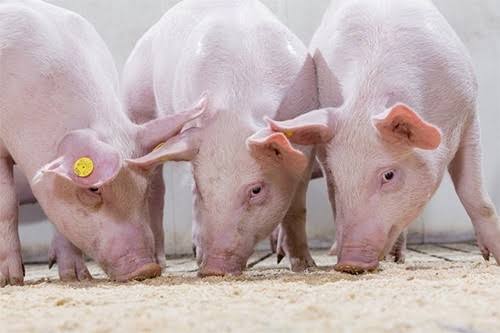
Pig fattening is one of the most profitable livestock agribusiness opportunities for farmers seeking faster returns and efficient meat production. Unlike breeding operations that require long production cycles, pig fattening focuses on purchasing young pigs, feeding them intensively and selling them at higher market weights for profit.
The demand for pork continues to grow in many regions due to population growth, urbanization and increasing meat consumption. Pigs are highly valued because they grow quickly, convert feed efficiently, and produce large quantities of meat in a relatively short period. With proper feeding, housing, disease control and marketing, pig fattening can become a sustainable and profitable business.
What is pig fattening?
Pig fattening is a production system where farmers raise pigs specifically to increase body weight before selling them for meat. Farmers usually buy weaner pigs or growers and feed them until they reach market weight.
The objective is to maximize growth while minimizing production costs. Pig fattening enterprises often operate for a few months depending on the starting age and target market weight.
Successful pig fattening depends on proper management, efficient feeding programs, healthy stock selection, and access to reliable markets.
Why pig fattening is profitable
Pig fattening offers several advantages that make it attractive to farmers. One major advantage is the rapid growth rate of pigs compared to many other livestock species.
Pigs have efficient feed conversion, meaning they convert feed into body weight more effectively than many animals. This allows farmers to reach market weight within a shorter period.
The business also provides flexible entry points because farmers can start with a small number of pigs and expand gradually.
Another advantage is the growing demand for pork from households, hotels, restaurants, processors, and retail outlets.
When managed properly, pig fattening can generate consistent income throughout the year.
Choosing the right pig breeds
Selecting suitable pig breeds is one of the most important decisions in pig fattening. Different breeds vary in growth rate, feed efficiency, meat quality and adaptability.
Popular breeds used in commercial pig production include Large White, Landrace, Duroc, Hampshire, and their crosses. These breeds are preferred because of their fast growth and strong meat production characteristics.
Farmers should purchase healthy pigs from reputable breeders to reduce disease risks and improve performance.
Healthy pigs with good genetics respond better to feeding programs and achieve market weight more efficiently.
Selecting healthy weaner pigs
The success of pig fattening begins with selecting quality starter pigs. Farmers should choose active and healthy animals with good body condition and strong legs.
Healthy pigs usually appear alert, eat well, and show no signs of coughing, diarrhea, injuries, or skin problems.
Uniform groups of pigs are easier to manage because they grow at similar rates and simplify feeding programs.
Buying disease-free animals reduces treatment costs and improves profitability.
Proper feeding for fast growth
Feed represents the largest expense in pig fattening, making efficient feeding essential for profitability. Pigs require balanced diets that provide energy, protein, vitamins, minerals, and clean water.
Young pigs require feeds rich in protein to support muscle development and rapid growth. As pigs grow older, energy requirements become increasingly important.
Commercial pig feeds are often categorized into starter, grower, and finisher diets to match different growth stages.
Farmers can reduce costs by incorporating locally available feed ingredients while maintaining nutritional balance.
Feed should be provided consistently and in quantities appropriate for the age and weight of the pigs.
Water management in pig fattening
Clean water is essential for growth and feed utilization. Pigs require constant access to drinking water because water supports digestion, nutrient absorption, and body functions.
Water shortages can reduce feed intake and slow growth significantly.
Water containers should be cleaned regularly to prevent contamination and disease spread.
Adequate water supply improves feed efficiency and overall productivity.
Housing requirements for pig fattening
Good housing supports fast growth and reduces disease risks. Pig houses should provide protection from rain, heat, cold weather, and strong winds.
Housing should allow enough space for pigs to move comfortably while minimizing overcrowding. Overcrowding increases stress and competition for feed.
Proper ventilation is important to maintain air quality and reduce moisture buildup.
Floors should allow easy cleaning and drainage to maintain hygiene.
Clean and comfortable housing encourages feed intake and supports healthy growth.
Disease prevention and biosecurity
Disease outbreaks can severely reduce profits in pig fattening businesses. Prevention is more effective and less costly than treatment.
Farmers should maintain strict biosecurity measures including cleaning facilities, limiting visitor access, and quarantining new animals before mixing them with the herd.
Vaccination and regular veterinary checkups help prevent common pig diseases.
Good sanitation reduces the spread of infections and supports healthy production.
Early disease detection allows farmers to respond quickly and minimize losses.
Growth monitoring and record keeping
Monitoring growth helps farmers evaluate performance and identify problems early. Regular weighing allows farmers to determine whether pigs are achieving expected weight gains.
Record keeping should include feed consumption, treatments, weight records, expenses and sales.
Good records help farmers calculate profitability and improve future production decisions.
Tracking performance also supports better budgeting and management.
Marketing strategies for pig fattening
Marketing is essential for maximizing profits in pig fattening. Farmers should identify buyers before production reaches market stage.
Potential markets include slaughterhouses, butcheries, restaurants, hotels, supermarkets, processors and direct consumers.
Market prices may vary depending on season, demand and pig quality.
Farmers who establish strong relationships with buyers often secure better prices and more reliable sales.
Value addition such as meat processing may further increase income opportunities.
Common challenges in pig fattening
Although pig fattening can be profitable, farmers may face challenges such as high feed costs, disease outbreaks, fluctuating pork prices, and limited market access.
Poor management practices and low-quality breeding stock can also reduce profitability.
Rising feed prices remain one of the biggest concerns because feed accounts for a large portion of production costs.
Farmers can overcome these challenges through proper planning, improved feeding strategies and market diversification.
Pig fattening is a profitable livestock business that offers fast returns and growing market opportunities. Success depends on selecting quality pig breeds, providing balanced feeds, maintaining clean housing, preventing diseases, and implementing effective marketing strategies.
Farmers who focus on proper nutrition, good management practices, and careful cost control can achieve strong growth rates and maximize profits.
With increasing demand for pork and efficient production systems, pig fattening remains an attractive agribusiness opportunity for both small-scale and commercial farmers.

Author: Moureen Koech
Moureen Koech is a passionate Digital Journalist, an adept Agribusiness Writer with a keen eye for news and an impactful story-teller,whose stories provide key value to Agripreneurs and stakeholders in the Agricultural sector