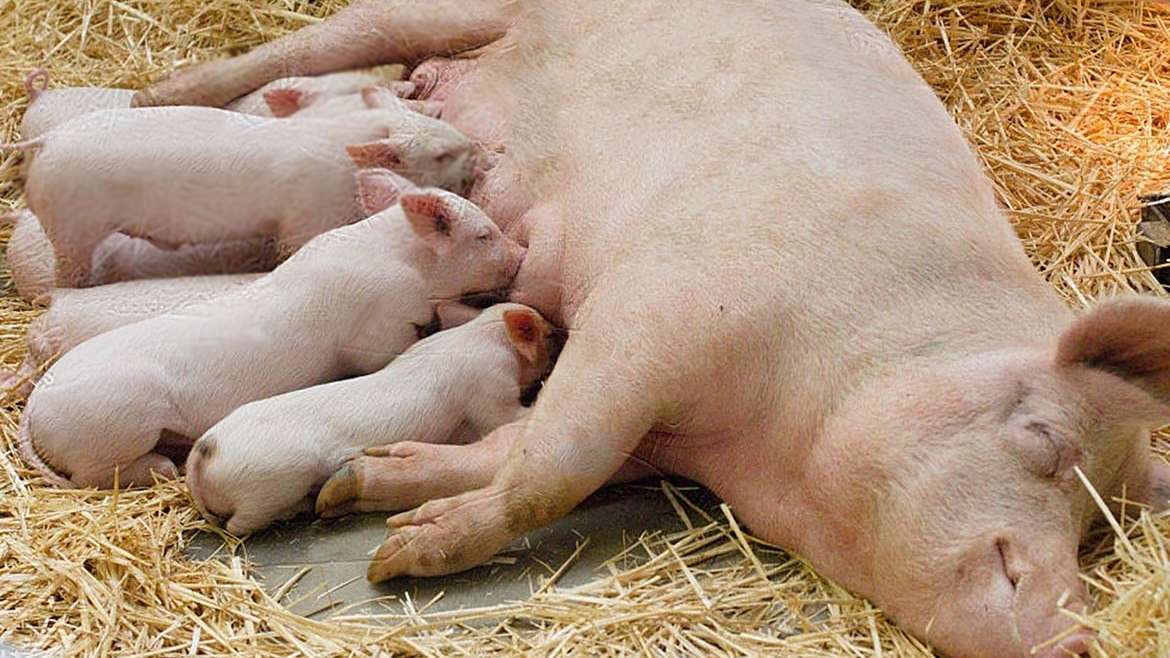
Piglet management after birth is one of the most important stages in successful pig farming. The first few hours and weeks of a piglet’s life determine its survival, growth rate, health and future productivity. Proper care during this period reduces mortality, improves weight gain and increases farm profitability.
Newborn piglets are vulnerable to cold, infections, crushing by the sow and poor nutrition. Without proper management, farmers may experience significant losses even when the sow gives birth to healthy piglets. Good piglet management practices ensure strong growth, healthy development and better performance throughout the production cycle.
Importance of proper piglet management
Piglets are born with limited body reserves and depend heavily on the sow for warmth, nutrition and protection. Poor management immediately after birth can lead to high mortality rates and reduced growth performance.
Proper piglet care improves survival rates, strengthens immunity and helps piglets reach weaning weight faster. Healthy piglets are also more resistant to diseases and adapt better during later growth stages.
Farmers who invest in proper newborn management often achieve better productivity and improved financial returns.
Prepare the farrowing area before birth
Piglet management begins before the sow gives birth. Farmers should prepare a clean and comfortable farrowing area to reduce disease risks and improve piglet survival.
The farrowing pen should be cleaned and disinfected before moving the sow into the area. Clean bedding helps reduce exposure to bacteria and infections.
The environment should also provide protection from cold temperatures and drafts because newborn piglets cannot regulate body temperature effectively.
Proper preparation creates safe conditions for both the sow and piglets.
Ensure piglets breathe properly after birth
Immediately after birth, farmers should observe piglets carefully and ensure they begin breathing normally. Some piglets may have mucus blocking their nose and mouth.
Cleaning the airways gently helps stimulate breathing and improves oxygen supply. Weak piglets may require gentle rubbing with a clean towel to stimulate circulation.
Healthy piglets should become active and begin searching for milk shortly after birth.
Quick attention during the first few minutes can significantly improve survival.
Dry piglets and provide warmth
Newborn piglets lose body heat quickly because they have very little body fat. Cold stress is one of the leading causes of piglet deaths during the first days after birth.
Farmers should dry piglets immediately after delivery using clean towels or dry bedding materials. Drying helps reduce heat loss and stimulates blood circulation.
A warm environment should be maintained to protect piglets from chilling. Heat lamps, heating pads or insulated creep areas may be used to provide additional warmth.
Piglets kept warm are more active and begin nursing sooner.
Ensure early colostrum intake
Colostrum is the first milk produced by the sow after giving birth and is extremely important for piglet survival. It contains nutrients, energy and antibodies that help protect piglets against diseases.
Piglets should receive colostrum within the first few hours after birth because their ability to absorb antibodies decreases rapidly with time.
Weak piglets may need assistance reaching the udder to ensure they nurse properly.
Adequate colostrum intake improves immunity, growth and survival rates.
Prevent piglet crushing
Piglet crushing occurs when the sow accidentally lies on piglets, causing injury or death. This is one of the most common causes of piglet mortality.
Farmers should use properly designed farrowing pens that provide separate spaces for piglets while allowing access to nursing.
Observation during the first few days helps identify situations where piglets may be at risk.
Providing heated creep areas encourages piglets to rest away from the sow, reducing crushing incidents.
Maintain proper hygiene
Cleanliness is essential for preventing diseases in newborn piglets. Dirty environments expose piglets to bacteria, diarrhea and infections that affect growth and survival.
Farmers should remove wet bedding regularly and keep the farrowing pen dry. Feeders and water containers should also be cleaned frequently.
Visitors and equipment entering the pig area should be controlled to reduce disease transmission.
Good hygiene lowers treatment costs and improves piglet performance.
Umbilical Cord Care
The umbilical cord is an important area that requires attention after birth because infections can enter the piglet’s body through the navel.
Farmers should ensure the umbilical cord dries properly and remains clean. Disinfecting the cord using recommended antiseptic solutions may help reduce infection risks.
Swollen or infected navels should be treated immediately to prevent complications.
Proper umbilical care supports healthy early development.
Iron supplementation for piglets
Piglets are born with limited iron reserves and sow’s milk contains low amounts of iron. Without supplementation, piglets may develop anemia.
Signs of iron deficiency include weakness, pale skin, poor growth and reduced activity.
Farmers commonly provide iron supplements during the first week of life to support healthy blood development and growth.
Proper iron management improves energy levels and weight gain.
Monitor piglet health daily
Daily observation helps farmers detect problems early and respond quickly. Healthy piglets are active, nurse regularly and gain weight steadily.
Signs of health problems include diarrhea, weakness, poor appetite, coughing, swollen joints and difficulty walking.
Farmers should isolate sick piglets if necessary and consult veterinary professionals when problems arise.
Regular monitoring improves survival and reduces disease outbreaks.
Introduce creep feeding
As piglets grow, milk alone becomes insufficient to support rapid development. Creep feeding involves introducing highly digestible solid feed while piglets are still nursing.
Creep feed helps piglets transition smoothly from milk to solid diets and improves growth before weaning.
Farmers should provide fresh and clean creep feed in small amounts to encourage consumption.
Early feed introduction reduces stress during weaning.
Proper weaning management
Weaning is a critical stage in piglet management and should be done carefully to minimize stress. Piglets are commonly weaned between four and eight weeks depending on farm practices.
Sudden changes in diet or environment may cause reduced feed intake and growth setbacks.
Farmers should ensure piglets are eating solid feed well before separation from the sow.
Good weaning practices support continuous growth and reduce post-weaning problems.
Piglet management after birth plays a major role in determining the success of pig farming. Proper care during the first days of life improves survival rates, strengthens immunity and supports healthy growth.
Farmers should focus on maintaining clean farrowing areas, providing warmth, ensuring colostrum intake, preventing crushing and supporting nutrition through iron supplementation and creep feeding.
With effective management practices and close observation, farmers can raise healthier piglets, reduce losses, and improve profitability in commercial pig farming.

Author: Moureen Koech
Moureen Koech is a passionate Digital Journalist, an adept Agribusiness Writer with a keen eye for news and an impactful story-teller,whose stories provide key value to Agripreneurs and stakeholders in the Agricultural sector