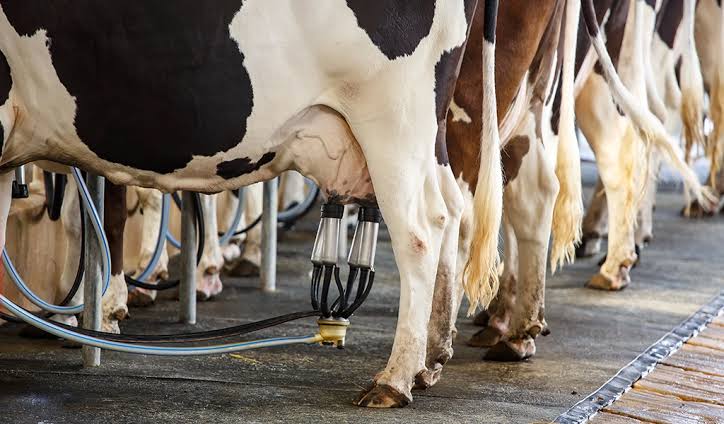
Butterfat is one of the most important indicators of milk quality and profitability in dairy farming. It affects the taste, texture, nutritional value and processing quality of milk. Dairy processors and buyers often consider butterfat levels when determining milk value, especially for products such as butter, cheese, yogurt and cream.
Many dairy farmers focus on increasing milk quantity while overlooking milk composition. However, higher milk volume does not always translate into higher income if butterfat levels are low. Improving butterfat can increase milk quality, improve market opportunities, and boost dairy farm profitability.
Butterfat levels are influenced by several factors including nutrition, breed, feeding practices, cow health and farm management. Understanding these factors can help farmers improve milk quality naturally and sustainably.
What is Butterfat in Milk?
Butterfat refers to the fat content found in milk. It is one of the major components that determine milk richness and processing quality.
Milk fat consists of tiny fat globules suspended in water and contributes to the creamy appearance and flavor of milk.
Different dairy breeds naturally produce different butterfat levels. Factors such as feed quality, stage of lactation and cow health also influence butterfat percentages.
Maintaining good butterfat levels is important because it affects both milk quality and farm income.
Feed high-quality forage
One of the most effective ways to increase butterfat is by improving forage quality.
Fiber plays a major role in milk fat production because digestion of fiber in the rumen produces compounds that support butterfat synthesis.
Good forage options include quality hay, Napier grass, maize silage, lucerne, Rhodes grass and other digestible fodders.
Poor-quality roughage reduces rumen function and may lower butterfat levels.
Farmers should ensure cows receive adequate roughage daily to support healthy digestion and consistent milk fat production.
Increase effective fiber in the diet
Effective fiber stimulates chewing and saliva production, both of which help maintain healthy rumen conditions.
When cows chew properly, saliva helps regulate rumen acidity and supports microbial activity responsible for producing milk fat.
Excessive feeding of finely ground feeds or concentrates may reduce chewing and negatively affect butterfat levels.
Including sufficient long fiber in the diet improves digestion and supports higher butterfat production.
Balanced feeding between roughage and concentrates is essential.
Maintain proper energy balance
Energy is necessary for milk production, but the source and balance of energy matter.
Highly fermentable feeds fed in excess can increase milk volume while lowering butterfat.
Farmers should provide balanced energy sources that support production without disrupting rumen health.
Energy-rich feeds should complement rather than replace quality forage.
Maintaining a proper balance between carbohydrates and fiber improves milk composition and overall productivity.
Provide adequate protein
Protein supports milk production and overall cow health.
However, excessive protein without proper energy balance may not improve butterfat and can reduce feed efficiency.
Farmers should provide sufficient dietary protein using sources such as legumes, dairy concentrates, oilseed meals and quality pasture.
Balanced protein improves microbial activity in the rumen and supports efficient nutrient utilization.
Proper nutrition helps cows maintain both milk volume and butterfat levels.
Avoid sudden feed changes
Sudden changes in feed type or feeding schedules can disrupt rumen function and affect milk composition.
Dairy cows perform best when dietary adjustments happen gradually.
Abrupt transitions may reduce feed intake and alter digestion patterns that influence milk fat production.
Whenever introducing new feeds, farmers should allow time for cows to adapt.
Consistent feeding programs support stable milk quality.
Ensure cows have constant access to water
Water is essential for milk production and animal health.
Although water itself does not directly increase butterfat, dehydration reduces feed intake and limits milk production efficiency.
Cows should always have access to clean and fresh drinking water.
Proper hydration supports digestion, nutrient transport and overall metabolic activity.
Healthy cows are more capable of producing quality milk with good butterfat content.
Choose dairy breeds with higher butterfat potential
Genetics influence butterfat production.
Some dairy breeds naturally produce milk with higher fat content than others.
Jersey cows are widely known for producing rich milk with relatively high butterfat percentages.
Guernsey cows are also recognized for quality milk composition.
Friesian cows often produce larger milk volumes but may have slightly lower butterfat compared to specialized dairy breeds.
Breeding decisions should align with farm goals and market requirements.
Improve cow comfort and reduce stress
Stress affects feed intake, digestion and milk quality.
Cows exposed to heat stress, overcrowding, poor housing, or rough handling may experience reduced butterfat levels.
Providing comfortable housing, adequate ventilation, clean resting areas, and proper animal welfare improves productivity.
Cooling systems and shade structures help reduce heat stress in warm environments.
Comfortable cows eat better and produce higher-quality milk.
Maintain good cow health
Health problems can negatively affect milk composition.
Diseases such as mastitis reduce both milk quantity and quality.
Digestive disorders, parasite infestations and metabolic stress also interfere with butterfat production.
Regular veterinary care, vaccination, deworming and health monitoring help maintain productive dairy herds.
Healthy cows utilize nutrients efficiently and produce better-quality milk.
Manage feeding frequency
Feeding cows consistently throughout the day supports stable rumen conditions.
Large infrequent meals may increase digestive disturbances and reduce butterfat production.
Some farmers divide feeding into multiple sessions to maintain continuous nutrient supply.
Frequent feeding supports microbial activity and improves nutrient utilization.
Consistent feeding schedules encourage steady milk production and composition.
Monitor milk quality regularly
Farmers should monitor milk quality to evaluate management practices and identify problems early.
Testing butterfat levels helps determine whether feeding and herd management strategies are effective.
Milk records also support decision-making regarding nutrition, breeding, and production planning.
Regular monitoring allows farmers to make timely adjustments and maintain profitability.
Increasing butterfat in milk requires a combination of proper nutrition, quality forage, effective fiber, balanced feeding, good genetics and strong herd management practices.
Farmers should prioritize forage quality, maintain rumen health, avoid sudden dietary changes, and provide comfortable living conditions for dairy cows.
Healthy cows receiving balanced diets are more likely to produce rich, high-quality milk with improved butterfat levels.
By focusing on both milk quantity and quality, dairy farmers can improve profitability and strengthen long-term farm performance.

Author: Moureen Koech
Moureen Koech is a passionate Digital Journalist, an adept Agribusiness Writer with a keen eye for news and an impactful story-teller,whose stories provide key value to Agripreneurs and stakeholders in the Agricultural sector