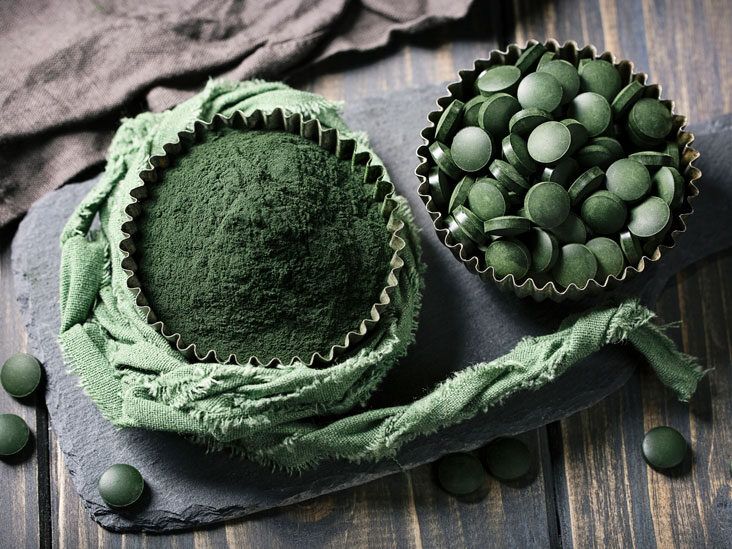
Spirulina farming is gaining popularity worldwide as demand for natural superfoods and sustainable protein sources continues to grow. Often referred to as green gold, spirulina is a nutrient-rich blue-green microalga packed with protein, vitamins, minerals, antioxidants and essential amino acids. It is widely used in dietary supplements, health drinks, cosmetics, aquaculture feeds and animal nutrition, making it a highly valuable agribusiness opportunity.
Unlike conventional crop farming, spirulina requires very little land and water while producing high yields throughout the year. With proper management, farmers can harvest spirulina every few days, creating a continuous source of income. As consumers become more health-conscious and the global market for natural nutritional products expands, spirulina farming offers an attractive business opportunity for entrepreneurs looking to diversify into high-value agriculture.
What is spirulina and why is it profitable?
Spirulina is a microscopic aquatic organism that grows naturally in warm, alkaline water. It has been consumed for centuries due to its exceptional nutritional value. The dried biomass contains between 55 and 70 percent protein, making it one of the richest natural protein sources available. It is also rich in iron, calcium, magnesium, potassium, beta-carotene, B vitamins, and powerful antioxidants such as phycocyanin.
Its versatility contributes to its profitability. Spirulina is sold as powder, tablets, capsules, flakes and as an ingredient in smoothies, energy bars, and health supplements. Beyond human consumption, it is also incorporated into poultry feed, fish feed, livestock supplements and pet food to improve nutrition and performance.
The combination of high market value, frequent harvesting, and increasing consumer demand makes spirulina farming a promising agribusiness with strong income potential.
Conditions required for successful spirulina farming
Spirulina thrives in warm climates where temperatures range between 30°C and 35°C. It grows best in shallow ponds or specially designed tanks containing alkaline water with a pH of about 9 to 11. Since spirulina depends on sunlight for photosynthesis, the production area should receive adequate sunlight throughout the day.
Water quality is one of the most important factors affecting productivity. Farmers use clean water mixed with carefully measured mineral nutrients such as sodium bicarbonate, potassium, magnesium and nitrogen sources to create the ideal growing medium. Regular monitoring of pH, temperature, and nutrient levels ensures healthy growth and high yields.
Continuous gentle stirring of the culture is also essential. Agitation distributes nutrients evenly, prevents algae from settling at the bottom, and allows all cells to receive sufficient sunlight for photosynthesis.
Setting up a spirulina farm
Starting a spirulina farm does not require large tracts of land. Many farmers begin with small concrete tanks, lined ponds, or food-grade plastic raceway ponds. The production system should be easy to clean and protected from contamination by dust, insects, animals and rainwater.
The first step is preparing the culture medium by filling the pond with water and adding the required nutrients according to recommended formulations. Once the medium is ready, a healthy spirulina starter culture is introduced into the pond.
As the algae multiply, farmers monitor water quality daily to maintain optimal growing conditions. Proper hygiene throughout the production process is critical because contamination by unwanted microorganisms can reduce productivity or spoil the entire culture.
Harvesting and processing spirulina
One of the biggest advantages of spirulina farming is its rapid growth. Under favourable conditions, harvesting can begin within two to three weeks after establishing the culture. Thereafter, harvesting may be done every two to five days depending on growth rates.
Harvesting involves filtering the spirulina through fine mesh cloths or specialized filtration equipment to separate the biomass from the culture water. The harvested spirulina is then washed thoroughly using clean water to remove excess minerals.
The fresh biomass is carefully dried at low temperatures to preserve its nutritional value. Excessive heat can destroy important vitamins, pigments, and proteins, reducing product quality. Once dried, spirulina is ground into powder or processed into tablets and capsules before being packaged in airtight containers to maintain freshness.
Maintaining high hygiene standards during harvesting, drying, and packaging is essential, especially for products intended for human consumption.
Marketing opportunities for spirulina
The market for spirulina continues to expand as more consumers seek natural health products and sustainable protein alternatives. Health food stores, pharmacies, supermarkets, cosmetic manufacturers, nutritional supplement companies and online marketplaces all provide potential marketing channels.
Spirulina is also increasingly used in aquaculture, poultry farming, dairy farming, and pet nutrition because of its high protein content and beneficial nutrients. Farmers can increase profitability by producing value-added products such as capsules, protein blends, smoothies, nutrition bars and skincare ingredients instead of selling only raw powder.
Obtaining quality certification and maintaining consistent production standards can help producers access premium domestic and export markets where consumers are willing to pay higher prices for high-quality spirulina products.
Challenges in spirulina farming
Although spirulina farming can be highly profitable, success requires careful management. Contamination by bacteria, fungi, insects, or unwanted algae can quickly damage the culture if hygiene is neglected. Poor water quality, incorrect pH, nutrient imbalances or sudden temperature changes may also reduce production.
Drying and packaging require attention to detail because poor handling can lower product quality and shorten shelf life. In addition, farmers targeting the health supplement market must comply with food safety standards and quality regulations to build consumer confidence.
Continuous learning, regular monitoring, and good management practices are therefore essential for maintaining high yields and producing premium-quality spirulina.
Spirulina farming offers an exciting opportunity for farmers and entrepreneurs looking to invest in high-value agriculture. With its exceptional nutritional value, growing consumer demand and ability to produce multiple harvests throughout the year, spirulina has become one of the most promising superfood enterprises in modern agriculture.
Success depends on maintaining clean production systems, providing the right growing conditions and following proper harvesting and processing techniques. Farmers who invest in quality production and effective marketing can build a profitable business while supplying one of the world’s most nutritious natural foods. As interest in healthy lifestyles and sustainable food production continues to rise, spirulina farming is well-positioned to become an increasingly valuable agribusiness venture.

Author: Moureen Koech
Moureen Koech is a passionate Digital Journalist, an adept Agribusiness Writer with a keen eye for news and an impactful story-teller,whose stories provide key value to Agripreneurs and stakeholders in the Agricultural sector