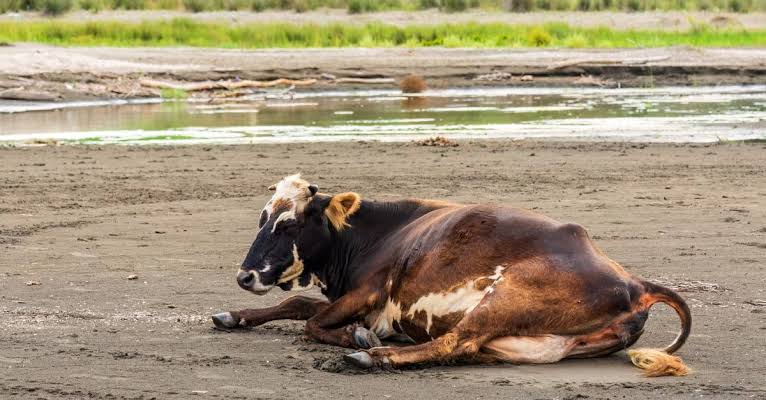
Healthy cows are the foundation of a profitable livestock enterprise. Whether you keep dairy or beef cattle, early detection of illness is essential for maintaining productivity, reducing treatment costs and preventing the spread of disease within the herd. Unfortunately, cows cannot tell farmers when they are unwell, making it important to recognize the warning signs before a minor health problem becomes a serious one.
A sick cow often shows subtle changes in behaviour, appetite, appearance or milk production long before severe symptoms develop. Farmers who observe their animals closely every day are more likely to identify illness early and seek appropriate treatment, improving the chances of a full recovery.
Why early detection matters
Detecting disease in its early stages allows farmers to begin treatment before the condition worsens. Early intervention not only improves the animal’s welfare but also minimizes production losses. Sick cows usually eat less, produce less milk, gain weight more slowly, and may experience reduced fertility.
Some diseases are highly contagious and can spread rapidly through a herd if infected animals are not identified and isolated quickly. Daily observation is therefore one of the most valuable management practices on any livestock farm.
Loss of Appetite
One of the first signs of a sick cow is a noticeable reduction in feed and water intake. Healthy cattle have a strong appetite and spend several hours each day grazing or eating feed. If a cow suddenly stops eating, leaves feed behind or drinks less water than usual, it may be developing an illness.
Loss of appetite can result from digestive disorders, infections, fever, metabolic diseases or pain. Because reduced feed intake quickly affects milk production and body condition, farmers should never ignore this symptom.
Reduced milk production
In dairy cows, an unexpected drop in milk yield is often one of the earliest indicators of poor health. A cow suffering from mastitis, fever, nutritional deficiencies or other diseases may produce significantly less milk than usual.
Changes in milk quality, such as watery milk, clots, blood or an unusual colour, should also raise concern. Monitoring daily milk production helps farmers detect health problems before other obvious signs appear.
Lethargy and unusual behaviour
Healthy cows are alert, active and interested in their surroundings. A sick cow often becomes dull, weak and reluctant to move. It may isolate itself from the rest of the herd, spend excessive time lying down or respond slowly when approached.
Behavioural changes are often among the earliest indicators that something is wrong. Farmers who know the normal behaviour of their animals are better able to recognize when a cow is becoming ill.
Fever and abnormal body temperature
An elevated body temperature usually indicates that a cow is fighting an infection. The normal body temperature of cattle ranges between 38°C and 39.3°C. A temperature above this range may signal bacterial, viral or parasitic infections.
Farmers should use a digital rectal thermometer whenever they suspect illness. Fever accompanied by loss of appetite, weakness, or coughing should be investigated immediately by a veterinarian.
Difficulty walking or lameness
A healthy cow walks comfortably and places weight evenly on all four legs. Limping, stiffness, swollen joints or reluctance to stand may indicate hoof problems, injuries, arthritis, foot rot or other diseases affecting the legs.
Lameness reduces grazing time, lowers milk production, and negatively affects fertility because cows struggle to move comfortably. Prompt examination and treatment help prevent long-term damage.
Changes in the Eyes, Nose and Mouth
The eyes of a healthy cow are bright, clear, and alert. Sunken eyes may indicate dehydration, while watery eyes or excessive discharge can signal infection.
Similarly, nasal discharge, persistent coughing, sneezing or laboured breathing may point to respiratory diseases. Excessive drooling, mouth sores or difficulty chewing may indicate oral infections or diseases affecting the digestive system.
Any unusual discharge from the eyes, nose, or mouth should be investigated promptly.
Diarrhoea or Constipation
Changes in manure provide valuable information about a cow’s health. Persistent diarrhoea can result from bacterial or viral infections, internal parasites, poor-quality feed or sudden dietary changes. Severe diarrhoea may quickly lead to dehydration and weakness.
Constipation or difficulty passing manure may also indicate digestive problems or intestinal blockages. Farmers should monitor manure consistency regularly, especially in calves and newly calved cows.
Poor body condition and weight loss
Gradual or sudden weight loss is another common sign of illness. Even when feed is available, sick cows often lose body condition because they eat less or cannot properly digest nutrients.
Internal parasites, chronic infections, nutritional deficiencies, and metabolic disorders can all contribute to weight loss. Regular body condition scoring helps farmers identify animals that require closer attention.
Rough hair coat and poor appearance
A healthy cow usually has a smooth, shiny hair coat. A dull, rough or patchy coat often indicates poor nutrition, parasite infestations or underlying disease.
Cows that stop grooming themselves or appear dirty and unkempt may also be experiencing illness. Changes in physical appearance should never be ignored, particularly when combined with other symptoms.
What farmers should do when a cow is sick
If you notice any signs of illness, isolate the affected cow from the rest of the herd to reduce the risk of disease transmission. Provide clean drinking water, quality feed and a comfortable resting area while monitoring the animal closely.
Avoid administering medications without proper diagnosis, as incorrect treatment may worsen the condition or contribute to drug resistance. Consult a qualified veterinarian for accurate diagnosis and appropriate treatment, especially if symptoms are severe or persist.
Maintaining clean housing, following vaccination schedules, controlling internal and external parasites, and providing balanced nutrition are some of the best ways to prevent disease outbreaks and keep cattle healthy.
Recognizing the signs of sick cows is one of the most important skills every livestock farmer should develop. Changes in appetite, milk production, behaviour, movement, body temperature, breathing, manure and physical appearance often provide the first warning that a cow needs medical attention.
Regular observation, prompt isolation of sick animals and timely veterinary care help prevent disease from spreading while reducing production losses. By paying close attention to the health of their cattle every day, farmers can improve animal welfare, increase productivity, and build a healthier, more profitable herd.

Author: Moureen Koech
Moureen Koech is a passionate Digital Journalist, an adept Agribusiness Writer with a keen eye for news and an impactful story-teller,whose stories provide key value to Agripreneurs and stakeholders in the Agricultural sector