Agriculture remains one of the most important sectors of the economy, providing food, employment and income for millions of people. However, many farmers still earn low returns because they sell their produce in its raw form immediately after harvest. This often exposes them to low market prices, post-harvest losses and limited market opportunities. One of the most effective ways of overcoming these challenges is through value addition.
Value addition in agriculture involves changing agricultural produce from its original state into another form that is more valuable to consumers. This may involve cleaning, sorting, grading, drying, milling, processing, packaging or branding a product before it reaches the market. By adding value, farmers can increase the selling price of their produce, reduce waste and create new business opportunities.
What is Value Addition in agriculture?
Value addition is the process of transforming raw agricultural products into products with higher economic value. Instead of selling crops immediately after harvest, farmers process them into products that are easier to store, transport, market and consume.
For example, raw cassava can be processed into cassava flour, starch, crisps, chips, animal feed, ethanol, or gluten-free baking flour. Each of these products has a higher market value than fresh cassava roots and can be stored for much longer.
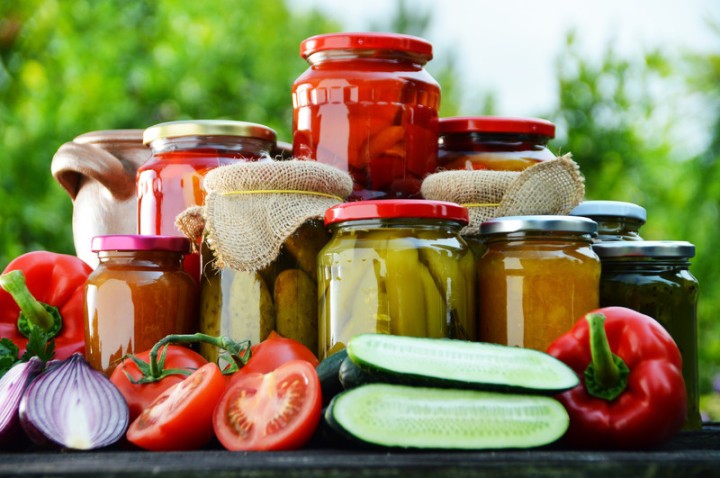
Similarly, fresh tomatoes can be processed into tomato paste, sauce, or ketchup, while bananas can be turned into banana flour, banana crisps, juice, wine or baby food. Milk can be processed into yoghurt, butter, cheese or fermented milk, giving farmers more income than selling raw milk alone.
Value addition allows farmers to move beyond primary production and become entrepreneurs who participate in the entire agricultural value chain.
Why value addition is important in agriculture
One of the greatest benefits of value addition is that it helps reduce spoilage of agricultural produce. Many crops, especially fruits, vegetables, milk, and root crops, are highly perishable and can spoil within a few days if they are not sold quickly. This results in significant losses for farmers, particularly during periods of high production.
Processing these products into flour, dried products, juice, jams or other shelf-stable products extends their shelf life considerably. Farmers are therefore able to store their products for longer periods and sell when market prices are more favourable instead of rushing to dispose of fresh produce.
Another major advantage is the increase in market value. Consumers are often willing to pay more for products that are cleaned, processed, packaged, and ready for use. A kilogram of processed cassava flour, for example, usually sells for much more than the equivalent amount of fresh cassava roots. The same applies to roasted coffee, packaged rice, cooking oil, dried fruits, and many other agricultural products.
Value addition also makes transportation easier and more efficient. Raw agricultural produce is often bulky, heavy, and easily damaged during transport. Processing reduces bulk, improves packaging and minimizes losses during handling. Products such as flour, dried vegetables, powdered milk, or cooking oil occupy less space, are easier to transport over long distances, and are less likely to spoil before reaching the market.
Additional benefits of value addition
Beyond increasing profits, value addition creates employment opportunities within rural communities. Processing agricultural products requires workers for cleaning, grading, packaging, labeling, transportation, marketing, and distribution. This creates jobs for young people and women while supporting the growth of local businesses.
Value addition also opens access to new markets. Many supermarkets, hotels, restaurants, schools, hospitals and export buyers prefer processed and properly packaged products because they meet quality and safety standards. Farmers who invest in value addition can therefore supply premium markets that offer better prices than local open-air markets.
Another important benefit is income stability. Fresh produce prices often fluctuate depending on supply and demand. During harvest seasons, prices may fall sharply because many farmers are selling the same products at the same time. By processing and storing produce, farmers can wait until prices improve before selling, allowing them to maximize their profits.
Examples of value addition in agriculture
Almost every agricultural commodity has opportunities for value addition. Cassava can be processed into flour, starch, chips, crisps, ethanol and animal feed. Maize can be milled into flour or processed into breakfast cereals. Bananas can become flour, wine, juice, cakes or crisps.
Milk can be transformed into yoghurt, cheese, butter, cream, and ice cream. Fruits such as mangoes, pineapples, and oranges can be processed into juice, jams, dried fruits and concentrates. Groundnuts can be made into peanut butter, while sunflower seeds can be processed into cooking oil.
These examples demonstrate that farmers can significantly increase the value of their harvest simply by processing it before sale.
Challenges facing value addition
Although value addition offers many advantages, farmers may face several challenges when starting. Processing equipment can be expensive, especially for small-scale producers. Maintaining food safety standards, obtaining quality certification and accessing reliable markets also require investment and proper planning.
Limited access to electricity, water, packaging materials, and technical knowledge can also slow the growth of value-added agribusinesses. However, farmer cooperatives, government support programs, and agricultural extension services are helping many producers overcome these challenges through training and financial assistance.
Value addition is one of the most effective ways of increasing profitability in modern agriculture. By transforming raw agricultural produce into higher-value products, farmers can reduce spoilage, increase market prices, improve transportation and storage, create employment and access better markets.
Whether processing cassava into flour, bananas into crisps, tomatoes into paste, or milk into yoghurt, value addition enables farmers to earn more from the same harvest while reducing post-harvest losses. As agriculture becomes increasingly competitive, investing in value addition is no longer an option but a necessity for farmers who want to build sustainable and profitable agribusinesses.

Author: Moureen Koech
Moureen Koech is a passionate Digital Journalist, an adept Agribusiness Writer with a keen eye for news and an impactful story-teller,whose stories provide key value to Agripreneurs and stakeholders in the Agricultural sector