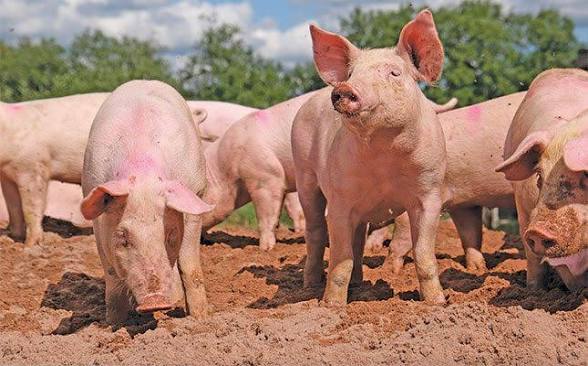
Pig farming is one of the most profitable livestock enterprises when managed correctly. With the growing demand for pork in many countries, including Kenya, many farmers are venturing into pig production as a reliable source of income. Pigs have a fast growth rate, reproduce quickly and convert feed into body weight more efficiently than many other livestock species.
However, despite the attractive profit potential, many pig farmers struggle to make consistent returns because of avoidable management mistakes. Small errors in housing, feeding, breeding, health management or marketing can significantly reduce productivity and increase production costs. Understanding these common mistakes and taking proactive measures can help farmers maximize profits and build a sustainable pig farming business.
Poor housing and farm hygiene
One of the biggest mistakes pig farmers make is providing inadequate housing. Pigs require clean, dry, well-ventilated, and comfortable shelters to remain healthy and productive. Poor housing exposes pigs to diseases, parasites, and stress, all of which negatively affect growth and reproduction.
Dirty pens encourage the spread of bacterial and viral infections, while wet floors increase the risk of foot problems and respiratory diseases. Overcrowded housing also leads to fighting, injuries and reduced feed intake.
Farmers should clean pig pens regularly, provide proper drainage, ensure adequate ventilation and avoid overcrowding by maintaining the recommended stocking density for each age group.
Feeding low-quality or unbalanced diets
Feed accounts for the largest portion of pig production costs, often making up more than 60 percent of total expenses. Some farmers attempt to reduce costs by feeding pigs poor-quality feeds or relying solely on kitchen leftovers.
While this may seem economical in the short term, it usually leads to slower growth rates, poor feed conversion, weak immunity, and lower market weights. Nutritional deficiencies can also affect fertility and litter size in breeding pigs.
Pigs require balanced diets containing adequate energy, protein, vitamins, minerals and clean water. Their nutritional requirements vary depending on age, weight and production stage. Piglets, growers, finishers, pregnant sows and lactating sows each require specially formulated feeds to achieve optimal performance.
Ignoring biosecurity measures
Many disease outbreaks on pig farms occur because of weak biosecurity practices. Farmers sometimes allow unrestricted visitors, introduce new pigs without quarantine, or fail to disinfect equipment and vehicles entering the farm.
Diseases can spread rapidly among pigs, leading to high mortality rates, reduced growth, expensive treatments and significant financial losses.
A strong biosecurity program includes limiting farm access, quarantining newly purchased pigs, disinfecting equipment, controlling rodents and insects, and providing footbaths at entry points. Preventing disease is always more affordable than treating an outbreak.
Buying poor-quality breeding stock
The quality of breeding animals determines the future productivity of the entire herd. Purchasing breeding pigs from unreliable sources or selecting animals based solely on low prices often results in poor genetics and reduced performance.
Low-quality breeding stock may produce smaller litters, grow slowly, and have poor feed conversion efficiency.
Farmers should source breeding pigs from reputable breeders with good production records. Selecting healthy boars and sows with desirable genetic traits improves productivity, profitability, and overall herd performance.
Poor breeding management
Improper breeding management is another common mistake that affects pig farm profitability. Failing to detect heat accurately, using unhealthy breeding animals, or breeding gilts before they reach the appropriate maturity can result in low conception rates and small litter sizes.
Good breeding management involves maintaining proper breeding records, observing sows for heat signs, using healthy breeding animals and ensuring proper nutrition before and during pregnancy.
Timely pregnancy diagnosis also helps farmers identify non-pregnant sows early and return them to the breeding program without unnecessary delays.
Neglecting pig health
Waiting until pigs become seriously sick before seeking veterinary assistance can be very costly. Many diseases spread quickly and become difficult to control once symptoms are advanced.
Routine health management should include vaccination, deworming, parasite control, regular observation and prompt treatment of sick animals. Farmers should work closely with qualified veterinarians to establish preventive health programs tailored to their farms.
Healthy pigs grow faster, require fewer medications, and produce higher profits.
Poor record keeping
Many farmers rely on memory instead of maintaining accurate farm records. Without proper records, it becomes difficult to monitor expenses, feed consumption, breeding performance, growth rates, medication schedules, and sales.
Good records enable farmers to identify profitable practices, detect production problems early, and make informed business decisions.
Essential records include breeding dates, farrowing records, vaccination schedules, feed purchases, growth performance, mortality rates, treatment history, and financial transactions.
Delaying marketing decisions
Some farmers hold pigs for too long after they reach market weight, hoping prices will increase. However, older pigs consume more feed while gaining weight more slowly, reducing profit margins.
Successful pig farmers monitor market trends and sell pigs when they reach the ideal slaughter weight for their target market. Timely marketing improves feed efficiency and increases overall profitability.
Building relationships with reliable buyers, processors, butcheries, and traders can also help secure better prices and reduce marketing challenges.
Lack of Proper Farm Planning
Starting pig farming without a clear business plan is another costly mistake. Some farmers invest in buildings and animals without estimating feed costs, veterinary expenses, labour requirements or expected returns.
A comprehensive farm plan helps determine production goals, financial requirements, marketing strategies, and risk management measures. It also guides expansion decisions as the business grows.
Proper budgeting allows farmers to prepare for unexpected expenses while maintaining healthy cash flow throughout the production cycle.
Failing to train farm workers
Pig farming requires skilled management, yet some farmers assume anyone can care for pigs without training. Poor handling techniques, incorrect feeding practices and failure to identify disease symptoms early can reduce productivity significantly.
Farm workers should receive regular training on feeding, animal welfare, hygiene, breeding management and disease detection. Well-trained workers improve efficiency, reduce losses, and enhance animal performance.
Overlooking Animal Welfare
Stress has a direct impact on pig productivity. Rough handling, overcrowding, inadequate water supply, and poor environmental conditions can reduce feed intake, weaken immunity, and slow growth.
Providing pigs with sufficient space, constant access to clean drinking water, proper ventilation and gentle handling improves their welfare and overall performance. Healthy, stress-free pigs grow faster and convert feed more efficiently.
Pig farming can generate excellent profits when managed professionally, but success depends on avoiding costly mistakes that reduce productivity and increase expenses. Good housing, balanced nutrition, proper breeding, strong biosecurity, regular health management, accurate record keeping, and timely marketing are all essential components of a profitable pig enterprise.
Farmers who continuously improve their management practices, invest in quality breeding stock and treat pig farming as a business rather than a side activity are better positioned to achieve long-term success. By avoiding these common pig farming mistakes, producers can increase efficiency, reduce losses and maximize returns from their investment while meeting the growing demand for quality pork.

Author: Moureen Koech
Moureen Koech is a passionate Digital Journalist, an adept Agribusiness Writer with a keen eye for news and an impactful story-teller,whose stories provide key value to Agripreneurs and stakeholders in the Agricultural sector