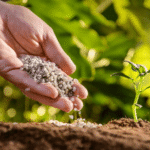
Healthy soil is the foundation of productive agriculture. Whether you are growing maize, tomatoes, vegetables, beans, coffee or fruit trees, your harvest largely depends on the condition of your soil. Fertile soil supplies crops with essential nutrients, stores moisture, supports beneficial microorganisms and provides a strong environment for healthy root development.
However, soil fertility does not last forever. Continuous cultivation, erosion, excessive use of chemicals, poor land management and nutrient mining can gradually reduce soil quality. Many farmers continue planting season after season without realizing that declining yields are caused by unhealthy soil rather than poor seed quality or bad weather.
Recognizing the early warning signs of soil degradation can help farmers take corrective action before productivity declines further. Here are some of the most common indicators that your soil needs improvement.
Your crop yields keep declining
One of the clearest signs of poor soil is a gradual decline in crop yields despite using the same farming practices each season.
If you continue planting certified seeds, apply fertilizers correctly and manage pests and diseases effectively, yet your harvest keeps decreasing, your soil may have lost its fertility.
Over time, crops remove essential nutrients such as nitrogen, phosphorus, potassium, calcium and magnesium from the soil. If these nutrients are not replenished through organic matter or balanced fertilization, soil productivity declines.
Regular soil testing helps identify nutrient deficiencies and enables farmers to apply the right soil amendments based on actual crop requirements.
Crops show nutrient deficiency symptoms
Plants often reveal the condition of the soil through their appearance.
Yellowing leaves, purple stems, stunted growth, scorched leaf edges, poor flowering and small fruits are common signs that crops are not receiving enough nutrients.
For example, nitrogen deficiency often causes older leaves to turn yellow, while potassium deficiency may result in brown leaf margins. Phosphorus deficiency can lead to poor root development and delayed crop maturity.
When nutrient deficiency symptoms appear across large sections of the farm, the soil may require improvement rather than simply increasing fertilizer application.
Water drains too quickly or stagnates
Healthy soil should retain enough moisture for crops while allowing excess water to drain away.
If water disappears immediately after irrigation or rainfall, the soil may be too sandy and unable to retain sufficient moisture for plant growth.
On the other hand, if water remains standing on the surface for long periods, the soil may be compacted or poorly drained, limiting oxygen supply to plant roots.
Both conditions reduce crop performance and may require the addition of organic matter to improve soil structure.
The soil has become hard and compacted
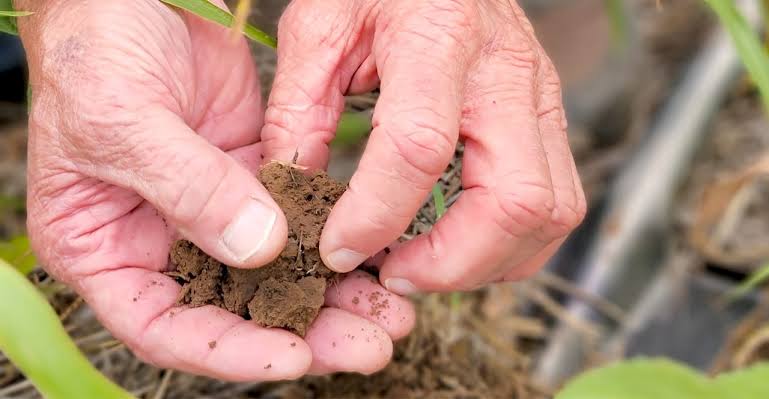
Healthy soil should be loose, crumbly, and easy for roots to penetrate.
If your soil becomes hard shortly after rain or difficult to cultivate, compaction may be restricting root growth. Compacted soils limit air movement, reduce water infiltration, and make it difficult for roots to access nutrients.
Heavy machinery, repeated cultivation at the same depth, overgrazing and farming on wet soils often contribute to soil compaction.
Adding compost, planting cover crops, reducing unnecessary tillage and avoiding heavy traffic on wet fields can help restore soil structure.
Soil erodes easily
If valuable topsoil is washed away during heavy rains or blown away by strong winds, your soil needs immediate attention.
Topsoil contains most of the nutrients, organic matter and beneficial microorganisms required for healthy crop growth. Losing it significantly reduces soil fertility and long-term productivity.
Signs of erosion include exposed roots, small gullies, sediment accumulation, and thinning topsoil.
Farmers can reduce erosion by planting cover crops, constructing terraces on slopes, using grass strips, practising contour farming and maintaining mulch on the soil surface.
Organic matter is low
Dark, rich soil usually contains higher levels of organic matter, while pale, lifeless soil often indicates poor fertility.
Organic matter improves soil structure, increases water-holding capacity, supports beneficial microorganisms and gradually releases nutrients to crops.
If your soil appears dry, dusty and lacks earthworms or other visible soil organisms, it may need more organic material.
Applying compost, farmyard manure, crop residues, green manure, and mulch helps rebuild organic matter while improving overall soil health.
Poor root development
Healthy roots are essential for absorbing water and nutrients.
If crops develop shallow, weak or poorly branched roots, the soil may be compacted, nutrient-deficient or lacking proper aeration.
Weak root systems make crops more vulnerable to drought, nutrient shortages and lodging during strong winds.
Improving soil structure through organic amendments and proper land preparation encourages deeper root penetration and stronger plant growth.
Increased weed growth
Certain weeds thrive in unhealthy soils and can provide clues about underlying problems.
For example, persistent growth of some weed species may indicate soil acidity, poor drainage, nutrient imbalance, or soil compaction.
While weeds naturally occur on farms, excessive weed pressure often signals that the soil ecosystem is out of balance.
Regular weed management combined with improved soil fertility helps crops compete more effectively and suppress weed growth.
Crops respond poorly to fertilizers
Many farmers assume that adding more fertilizer will automatically increase yields. However, if crops show little improvement even after fertilizer application, the problem may lie with the soil itself.
Poor soil structure, incorrect soil pH, low organic matter or damaged microbial activity can reduce the availability of nutrients to plants.
Conducting a soil test before applying fertilizers allows farmers to determine the correct type and quantity of nutrients required while avoiding unnecessary expenses.
Beneficial soil life is missing
Healthy soil is alive with beneficial organisms such as earthworms, fungi, bacteria and insects that help recycle nutrients and improve soil structure.
If you rarely see earthworms after rainfall or notice little biological activity in the soil, it may indicate declining soil health.
Excessive use of harsh chemicals, burning crop residues and lack of organic matter can reduce populations of these beneficial organisms.
Encouraging biological activity through compost application, mulching, crop rotation and reduced chemical use helps restore soil health naturally.
How to improve poor soil
Fortunately, soil degradation can often be reversed through good agricultural practices.
Start by conducting a soil test to determine nutrient levels and soil pH. This provides accurate information for making informed management decisions.
Incorporate well-decomposed compost or farmyard manure to increase organic matter and improve soil structure. Organic materials also enhance microbial activity and increase the soil’s ability to retain moisture.
Practise crop rotation by alternating different crop families each season. Including legumes such as beans or soybeans helps improve soil nitrogen levels naturally.
Apply mulch to conserve moisture, suppress weeds, and protect the soil from erosion. Where soil acidity is a problem, apply agricultural lime according to soil test recommendations.
Minimise excessive tillage, which disrupts soil structure and accelerates organic matter loss. Conservation agriculture practices such as minimum tillage and cover cropping can help maintain long-term soil fertility.
Healthy soil is one of the most valuable assets a farmer can have. Declining yields, nutrient deficiencies, poor drainage, compacted soil, erosion, low organic matter, weak root systems, and poor fertilizer response are all warning signs that your soil needs improvement.
Rather than treating only the symptoms seen in crops, farmers should focus on restoring soil health through soil testing, organic matter addition, balanced fertilization, crop rotation, mulching and proper land management. Investing in soil improvement today not only increases current yields but also protects the long-term productivity and profitability of your farm.
Remember, healthy crops begin with healthy soil. By paying close attention to your soil’s condition and taking timely corrective action, you can build a more resilient farming system and enjoy better harvests season after season.

Author: Moureen Koech
Moureen Koech is a passionate Digital Journalist, an adept Agribusiness Writer with a keen eye for news and an impactful story-teller,whose stories provide key value to Agripreneurs and stakeholders in the Agricultural sector