Agricultural inputs such as seeds, fertilizers, pesticides, herbicides and animal health products are essential for successful farming. High-quality inputs help farmers achieve healthy crops, better yields, and higher profits. However, the increasing circulation of counterfeit agricultural inputs has become a major challenge in many farming regions, causing significant losses to farmers.
Fake agricultural inputs often fail to perform as advertised, leading to poor crop establishment, reduced yields, pest and disease outbreaks and wasted investment. In some cases, counterfeit products can even damage crops, contaminate the environment or pose health risks to farmers and consumers.
Knowing how to identify fake agricultural inputs is essential for protecting your farm and ensuring every investment contributes to a productive harvest. Here are practical ways to recognize counterfeit products and avoid becoming a victim.
Why fake agricultural inputs are a serious problem
Counterfeit agricultural products are usually manufactured or packaged to resemble genuine brands. Unscrupulous traders take advantage of farmers by selling low-quality or fake products that look authentic but do not contain the ingredients or quality standards promised on the label.
Using counterfeit seeds may result in poor germination or crops that do not match the advertised variety. Fake fertilizers may contain little or no essential nutrients, while counterfeit pesticides and herbicides often fail to control pests and weeds effectively.
Besides financial losses, farmers may spend more money replanting crops, applying additional chemicals or dealing with severe pest infestations that could have been prevented.
Buy inputs from authorized agro-dealers
One of the safest ways to avoid counterfeit agricultural products is to purchase inputs from reputable and licensed agro-dealers.
Authorized dealers obtain their products directly from manufacturers or approved distributors, reducing the likelihood of counterfeit products entering their supply chain.
Avoid buying agricultural inputs from roadside vendors, open-air markets or unknown online sellers offering unusually cheap prices. While lower prices may seem attractive, they often come with greater risks.
Building a long-term relationship with a trusted agro-dealer also allows farmers to receive professional advice on product selection and proper application.
Examine the packaging carefully
Counterfeit products often have poor-quality packaging that differs from genuine products.
Before purchasing, inspect the packaging closely for signs such as:
- Broken or poorly sealed bags and containers.
- Blurred printing or faded labels.
- Poor spelling or grammatical errors.
- Missing manufacturer details.
- Missing batch or lot numbers.
- Missing manufacturing or expiry dates.
- Labels that appear to have been tampered with.
Genuine manufacturers invest in high-quality packaging that is neat, professional and consistent.
If anything about the packaging looks suspicious, avoid purchasing the product.
Check security features
Many agricultural input manufacturers include security features to help farmers verify product authenticity.
These may include:
- Scratch-off verification codes.
- QR codes.
- Holograms.
- Tamper-evident seals.
- Unique serial numbers.
Before opening the product, verify these security features according to the manufacturer’s instructions. If a code fails verification or appears duplicated, report it immediately and avoid using the product.
Compare prices carefully
While everyone appreciates a good bargain, extremely low prices should raise concern.
Counterfeit agricultural inputs are often sold at prices significantly below the normal market value to attract unsuspecting buyers.
If one seller is offering a product at a much lower price than other reputable dealers, ask why. Genuine agricultural inputs usually have relatively consistent market prices across authorized retailers.
Remember that saving a small amount on fake products can result in much larger financial losses later.
Read the product label
Always read the label before purchasing any agricultural input.
A genuine product label should clearly indicate:
- Product name.
- Active ingredient or nutrient composition.
- Manufacturer’s name and address.
- Directions for use.
- Safety precautions.
- Batch number.
- Manufacturing date.
- Expiry date.
- Registration information where applicable.
Labels with incomplete information, poor translations or unclear instructions may indicate counterfeit products.
Inspect seeds before planting
If you are purchasing seeds, examine them carefully before planting.
Healthy certified seeds are generally uniform in size, colour and shape. They should be clean and free from mould, insect damage, excessive dust, broken seeds or foreign materials such as stones and plant debris.
Seeds with inconsistent appearance or poor physical quality may indicate poor storage or counterfeit packaging.
Poor-quality seeds often result in low germination rates and uneven crop establishment.
Observe fertilizer quality
Fertilizer quality can also provide clues about authenticity.
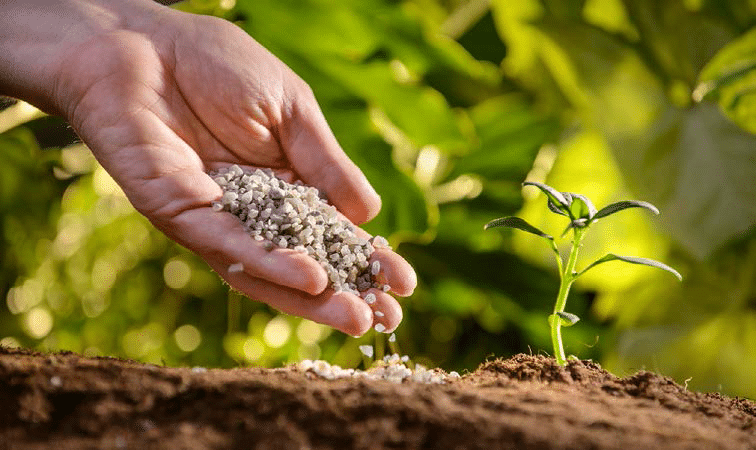
Granular fertilizers should have relatively uniform granule size without excessive dust or clumping caused by moisture damage.
Powdered fertilizers should appear consistent in texture and colour according to the manufacturer’s specifications.
If fertilizer contains excessive lumps, unusual odours or foreign materials, it may have been poorly stored or adulterated.
Be cautious with pesticides and herbicides
Counterfeit crop protection products may look genuine externally but fail to control pests, diseases or weeds effectively.
Before purchasing pesticides or herbicides:
- Ensure the seal is intact.
- Check that the liquid or powder appears normal.
- Avoid containers that appear to have been opened or resealed.
- Confirm the expiry date has not passed.
Never purchase products without original labels or products repackaged into unmarked containers.
Keep purchase receipts
Always request and keep your purchase receipts.
Receipts provide proof of purchase if problems arise and make it easier to report counterfeit products to suppliers or regulatory authorities.
Keeping records also helps farmers track input costs and improve farm financial management.
Report Suspicious Products
If you suspect that you have purchased counterfeit agricultural inputs, avoid using them until their authenticity can be confirmed.
Report suspicious products to the manufacturer, your local agricultural extension officer, or the relevant government regulatory authority responsible for agricultural inputs.
Providing details such as the product name, batch number, place of purchase, and photographs of the packaging can assist investigations and help protect other farmers.
Why certified inputs are worth the investment
Although certified agricultural inputs may sometimes cost slightly more than unknown alternatives, they provide greater value in the long run.
Quality seeds produce better germination and more uniform crops. Genuine fertilizers supply the nutrients indicated on the label, while authentic pesticides and herbicides effectively control pests and diseases when used correctly.
Investing in quality inputs reduces production risks, improves yields, and increases farm profitability.
Best practices when purchasing agricultural inputs
To minimize the risk of buying counterfeit products:
- Buy only from licensed and reputable agro-dealers.
- Inspect packaging before purchase.
- Verify security features where available.
- Read labels carefully.
- Avoid unusually cheap products.
- Check manufacturing and expiry dates.
- Request receipts for every purchase.
- Store inputs properly according to label instructions.
- Seek advice from agricultural extension officers if unsure.
Counterfeit agricultural inputs can have devastating effects on crop production, livestock health and farm income. Poor germination, ineffective pest control, nutrient deficiencies and reduced yields often begin with fake or substandard products.
By purchasing inputs from trusted suppliers, inspecting packaging carefully, verifying security features, reading labels, and avoiding suspiciously cheap products, farmers can protect their investments and improve their chances of a successful harvest.
Quality agricultural inputs are not just another farm expense, they are an investment in productivity, profitability and food security.Taking a few extra minutes to verify the authenticity of the products you buy can save you from costly losses and help ensure your farming enterprise thrives.

Author: Moureen Koech
Moureen Koech is a passionate Digital Journalist, an adept Agribusiness Writer with a keen eye for news and an impactful story-teller,whose stories provide key value to Agripreneurs and stakeholders in the Agricultural sector