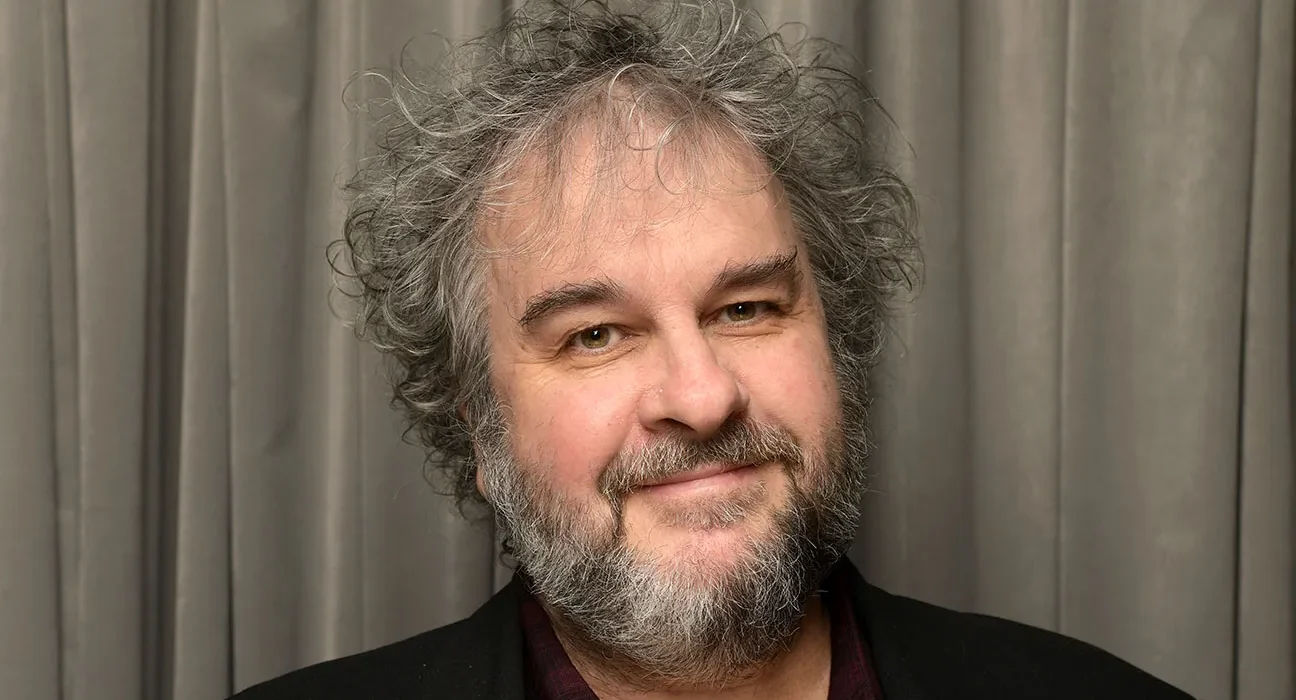
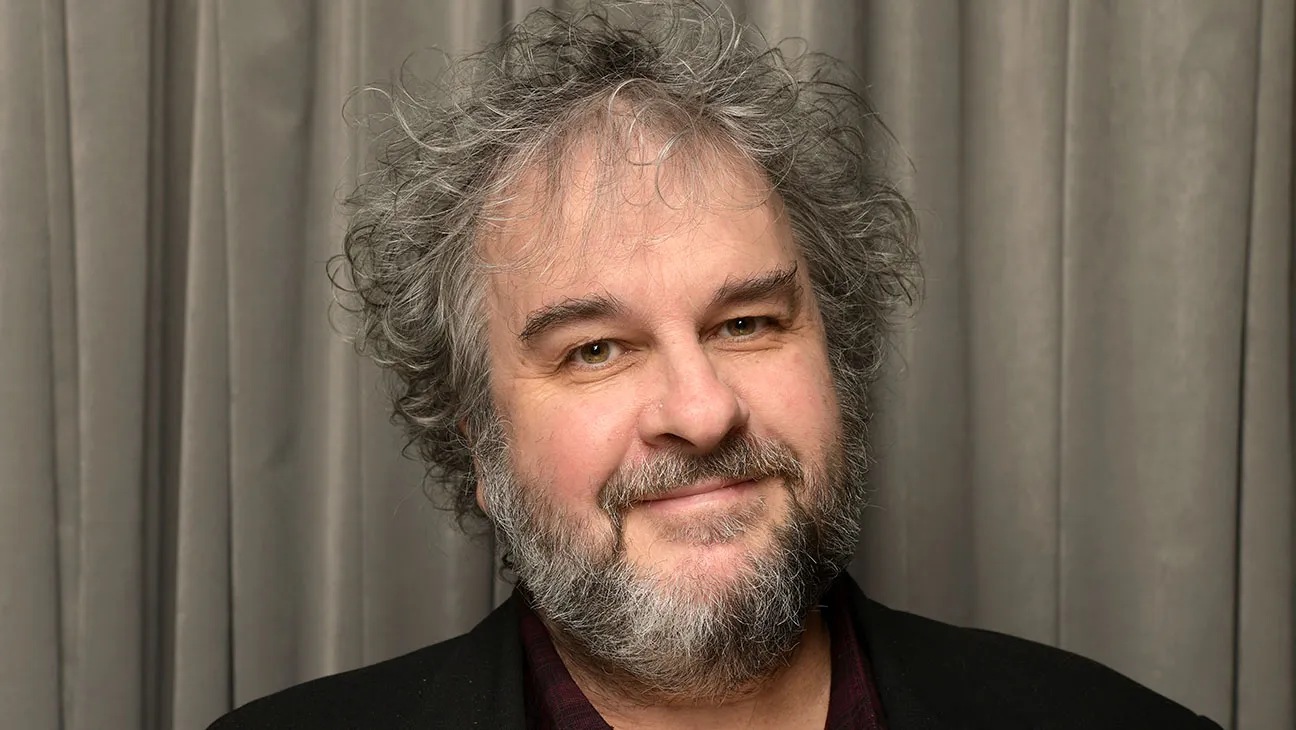
Peter Jackson is a New Zealand filmmaker, screenwriter and producer who has an estimated net worth of $1.5 billion. He is best known for directing the critically acclaimed and commercially successful film adaptations of J.R.R. Tolkien’s The Lord of the Rings and The Hobbit trilogies.
Jackson became one of the world’s wealthiest filmmakers following the success of his movies and the sale of his visual effects company, Weta Digital. In November 2021, Weta Digital was sold to Unity Software for $1.65 billion, a deal that reportedly gave Jackson about $1 billion in cash and stock. The transaction helped make him a billionaire.
The The Lord of the Rings and The Hobbit films have generated billions of dollars in worldwide box office revenue and home entertainment sales. Jackson reportedly earned about $180 million from The Lord of the Rings trilogy alone.
Beyond filmmaking, Jackson has built a vast investment portfolio that includes real estate, aviation assets and businesses. He also owns an extensive collection of historic World War I aircraft, reflecting his long-standing passion for aviation.
- Peter Jackson Net Worth: $1.5 Billion
- Date of Birth: October 31, 1961
- Place of Birth: Wellington, New Zealand
Early Life
Peter Robert Jackson was born on October 31, 1961, in Wellington, New Zealand. His parents were English immigrants who raised him in the coastal town of Pukerua Bay.
Jackson developed an interest in filmmaking at a young age. After receiving a Super 8 cinecamera as a gift, he began making short films with friends. He was particularly fascinated by special effects and spent much of his youth experimenting with filmmaking techniques.
At the age of 16, Jackson left school and began working full-time as a photo engraver at The Evening Post, a newspaper in Wellington. He remained in the job for seven years and lived with his parents while saving money to purchase filmmaking equipment.
Jackson eventually used his savings and filmmaking skills to pursue a career behind the camera.
Career Beginnings
Jackson made his feature-film debut with Bad Taste, a science-fiction comedy released in 1987. The movie was produced over several years and featured many of his friends, who worked on the project for little or no pay.
The film was completed with financial assistance from the New Zealand Film Commission and helped establish Jackson as an emerging filmmaker.
He went on to direct Meet the Feebles in 1989 and Braindead in 1992. His major breakthrough came with Heavenly Creatures in 1994, a film that starred a young Kate Winslet.
Heavenly Creatures received widespread critical acclaim and earned an Academy Award nomination for Best Original Screenplay. The success helped Jackson attract greater attention from Hollywood and opened the door to larger film projects.
In 1987, Jackson also co-founded WingNut Films with Michael Stephens. The production company later became closely associated with many of his major filmmaking projects.
The Lord of the Rings
Jackson’s career changed dramatically when he secured the rights to adapt J.R.R. Tolkien’s The Lord of the Rings into a series of films.
The first film, The Lord of the Rings: The Fellowship of the Ring, was released in 2001. It was followed by The Lord of the Rings: The Two Towers in 2002 and The Lord of the Rings: The Return of the King in 2003.
The trilogy became one of the biggest successes in film history. The final installment, The Return of the King, won 11 Academy Awards, including Best Picture and Best Director for Jackson.
The success of the trilogy transformed Jackson into an international filmmaking superstar. It also generated enormous financial returns for the director and helped establish New Zealand as a major destination for international film production.
Jackson reportedly earned approximately $180 million from the The Lord of the Rings trilogy.
King Kong and Other Films
After completing The Lord of the Rings, Jackson directed a remake of the classic 1933 movie King Kong. The film was released in 2005 and became another commercial success, earning about $550 million worldwide.
Jackson reportedly received a $20 million upfront salary for directing King Kong, along with a percentage of the movie’s box office revenue. His total earnings from the film reportedly became significantly larger after its strong global performance.
He later directed The Lovely Bones, based on the novel by Alice Sebold.
Jackson returned to Tolkien’s fictional world in the 2010s when he directed The Hobbit trilogy. The films included The Hobbit: An Unexpected Journey, The Hobbit: The Desolation of Smaug and The Hobbit: The Battle of the Five Armies.
The three movies were filmed in New Zealand and continued Jackson’s association with Tolkien’s work.
Other projects linked to Jackson include the First World War documentary They Shall Not Grow Old and Mortal Engines. He also worked on The Beatles: Get Back, a documentary project exploring the making of the Beatles’ final album.
Weta Digital Sale and Billionaire Status
One of the biggest events in Peter Jackson’s financial history was the sale of Weta Digital.
In 1993, Jackson and his longtime partner, Fran Walsh, founded Weta Digital to help create visual effects for Heavenly Creatures. The company eventually grew into one of the world’s leading visual effects studios.
Weta Digital worked on some of the biggest movies in Hollywood, including Jackson’s The Lord of the Rings and The Hobbit films.
In November 2021, Unity Software agreed to acquire Weta Digital’s technology division for $1.65 billion. The deal reportedly gave Jackson approximately $1 billion in cash and stock.
The transaction significantly increased Jackson’s wealth and cemented his status as one of the world’s richest filmmakers.
Private Plane and Aviation Collection
Peter Jackson is also known for his passion for aviation.
In 2009, when his net worth was estimated at about $370 million, Jackson reportedly purchased a Gulfstream G650 private jet. The aircraft, which can carry around 18 passengers, is capable of flying long distances between New Zealand and the United States.
The aircraft was reportedly valued at around $60 million.
Jackson also owns a large collection of World War I-era aircraft. His collection includes more than 40 airworthy warbirds, which are housed at Hood Aerodrome near Masterton in New Zealand.
Some of his historic aircraft and aviation memorabilia have been displayed at the Omaka Aviation Heritage Centre as part of its Knights of the Sky exhibition.
Jackson also owns Wingnut Wings, a scale-model company specializing in World War I aircraft.
Real Estate
Peter Jackson and Fran Walsh have built a significant real estate portfolio estimated to be worth approximately $150 million.
The couple owns property in New Zealand and other parts of the world. Their main residence in Matahiwi is reportedly located on a large estate valued at between $20 million and $30 million.
The property includes a private lake and a 100-seat movie theatre. It has also been associated with sets from the The Lord of the Rings films, including the home used to portray Frodo Baggins.
In 2008, Jackson reportedly paid $17.35 million for two neighboring penthouse apartments in New York City’s Tribeca neighborhood. The properties covered a combined 8,300 square feet.
Jackson initially planned to combine the apartments into a single luxury residence. However, his busy filmmaking schedule prevented him from completing the project.
The two penthouses were later listed for sale for more than $20 million before eventually being sold in 2014.
Personal Life
Peter Jackson has been in a long-term relationship with Fran Walsh, a New Zealand screenwriter, film producer and lyricist.
Walsh has played a major role in Jackson’s filmmaking career and has collaborated with him on many of his projects. She co-wrote and produced several of his most successful films, including The Lord of the Rings trilogy.
The couple have two children.
Jackson and Walsh have also been involved in various charitable activities. Among their contributions was a donation of NZ$500,000 toward stem cell research. Jackson also purchased an old church in Wellington to prevent its demolition and later helped secure the future of the BATS Theatre.

Author: Andrew Walyaula
Andrew Walyaula is a seasoned multimedia journalist. Email: [email protected]