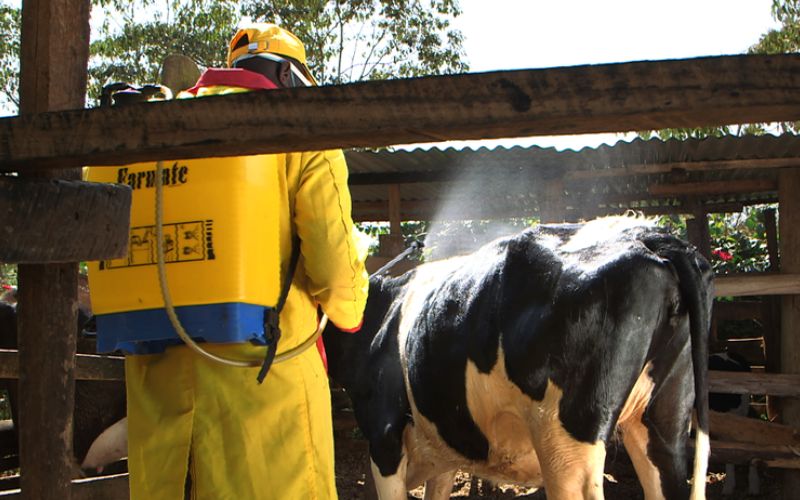
Ticks are among the most destructive external parasites affecting livestock production worldwide. In Kenya and many other African countries, they pose a significant threat to cattle, goats, sheep and other farm animals by transmitting deadly diseases, reducing productivity, and increasing the cost of livestock management. Effective tick control on farms is therefore essential for maintaining healthy animals, improving farm profitability and preventing avoidable losses.
This comprehensive guide explains why tick control matters, common tick species, diseases they spread and practical strategies farmers can use to keep their livestock safe.
Why tick control is important
Ticks feed on the blood of animals, weakening them over time. Heavy infestations can lead to severe blood loss, skin damage, reduced weight gain, lower milk production, poor fertility and even death in extreme cases.
Beyond direct damage, ticks act as carriers of dangerous livestock diseases such as East Coast Fever (ECF), anaplasmosis, babesiosis and heartwater. These diseases cost farmers millions annually through treatment expenses, livestock deaths and reduced productivity.
Consistent tick management helps farmers:
- Reduce livestock diseases.
- Increase milk and meat production.
- Improve animal growth rates.
- Enhance breeding performance.
- Lower veterinary treatment costs.
- Improve the quality of hides and skins.
Healthy livestock are more productive, making tick control a worthwhile investment for every livestock farmer.
Common tick species affecting livestock
Different tick species attack livestock depending on climate and geographical location. Some of the most common include:
Brown Ear Tick
This tick is one of the most dangerous because it transmits East Coast Fever, a disease that causes high mortality, especially in young cattle.
Blue Tick
Blue ticks are known to spread babesiosis, commonly called redwater disease. They can multiply rapidly during warm and humid seasons.
Bont Tick
Bont ticks transmit heartwater disease, affecting cattle, goats and sheep. They also cause painful skin wounds that reduce hide quality.
Red-Legged Tick
These ticks are associated with anaplasmosis and can significantly reduce animal performance when infestations become severe.
Understanding the types of ticks common in your region helps farmers choose appropriate control methods.
Signs of tick infestation
Early detection is essential for effective control. Farmers should inspect their animals regularly for signs such as:
- Visible ticks attached around the ears, neck, tail, udder and underbelly.
- Constant scratching against fences or trees.
- Hair loss around bite areas.
- Skin irritation and wounds.
- Weight loss despite adequate feeding.
- Reduced milk production.
- Fever and weakness.
- Pale gums due to blood loss.
Animals showing these symptoms should be examined immediately and treated before infestations worsen.
Diseases spread by ticks
Ticks are responsible for transmitting several serious livestock diseases.
East Coast Fever (ECF)
This disease is caused by a parasite transmitted by the brown ear tick. Symptoms include swollen lymph nodes, fever, breathing difficulties, loss of appetite and death if untreated.
Babesiosis
Also called redwater disease, babesiosis destroys red blood cells, causing fever, weakness, red or dark-colored urine and anemia.
Anaplasmosis
Animals infected with anaplasmosis often develop severe anemia, weight loss, reduced milk production and weakness.
Heartwater
Heartwater mainly affects cattle, goats, and sheep. Signs include nervous symptoms, difficulty walking, fever and sudden death.
Prompt diagnosis and veterinary treatment improve survival rates.
Effective tick control methods
Successful tick management combines several approaches rather than relying on a single solution.
Regular Acaricide Spraying
Spraying livestock with recommended acaricides remains one of the most effective tick control methods. Farmers should:
- Use approved acaricides.
- Follow manufacturer instructions carefully.
- Rotate acaricide classes periodically to reduce resistance.
- Spray the entire animal thoroughly, paying attention to hidden areas where ticks attach.
Avoid under-dosing because it encourages resistance.
Dip Tanks
Communal or private dip tanks provide effective control, especially for large cattle herds. Animals should be dipped according to veterinary recommendations, particularly during rainy seasons when tick populations increase.
Proper maintenance of dip chemicals ensures maximum effectiveness.
Pour-On Treatments
Pour-on acaricides are applied along the animal’s back and spread across the skin through natural oils. They are convenient for farmers with smaller herds and require less labor than spraying.
Always apply the correct dosage based on the animal’s body weight.
Tick Grease
Applying tick grease directly to areas such as the ears, tail, and underbelly helps kill attached ticks while preventing new infestations. It is particularly useful for calves and young animals.
Pasture Management
Tick control should extend beyond treating animals. Pasture management plays a critical role in reducing tick populations.
Farmers should:
- Slash overgrown vegetation regularly.
- Rotate grazing paddocks.
- Avoid overstocking animals.
- Remove bushes where ticks thrive.
- Allow heavily infested paddocks to rest before grazing again.
Clean grazing fields reduce the number of ticks waiting to attach to livestock.
Improve farm biosecurity
Introducing new animals without proper inspection can spread ticks across the entire herd.
Good biosecurity practices include:
- Quarantining newly purchased livestock.
- Treating animals for ticks before mixing them with the herd.
- Regular veterinary inspections.
- Cleaning livestock housing frequently.
- Restricting unnecessary animal movement between farms.
Strong biosecurity reduces the introduction of both ticks and tick-borne diseases.
Breeding for tick resistance
Some indigenous livestock breeds naturally tolerate tick infestations better than highly improved exotic breeds. While no breed is completely immune, farmers can improve resilience by incorporating locally adapted genetics into breeding programs where appropriate.
Combining genetic resistance with good management creates long-term protection.
Avoid Acaricide Resistance
One growing challenge is tick resistance to commonly used acaricides. Resistance develops when ticks survive repeated exposure to the same chemical and pass resistant traits to future generations.
Farmers can reduce resistance by:
- Rotating acaricide products with different active ingredients.
- Using the recommended dosage.
- Applying treatments at the correct intervals.
- Avoiding unnecessary chemical applications.
- Consulting veterinary professionals before changing products.
Responsible acaricide use helps preserve the effectiveness of available treatments.
Work closely with veterinary professionals
Veterinarians and animal health officers provide valuable guidance on tick identification, disease diagnosis, vaccination programs and the most effective tick control products for specific regions.
Routine herd health checks allow early detection of disease outbreaks before they cause major economic losses.
Tick control is one of the most important aspects of successful livestock farming. Left unmanaged, ticks reduce animal productivity, spread deadly diseases, and increase farm expenses. However, with regular animal inspections, proper use of acaricides, good pasture management, strong biosecurity and veterinary support, farmers can effectively control tick populations and protect their livestock.
A well-planned tick control program not only keeps animals healthy but also improves milk yields, meat production, fertility, and overall farm profitability. By adopting an integrated approach, livestock farmers can safeguard their investments and build more resilient, productive farming systems for the future.

Author: Moureen Koech
Moureen Koech is a passionate Digital Journalist, an adept Agribusiness Writer with a keen eye for news and an impactful story-teller,whose stories provide key value to Agripreneurs and stakeholders in the Agricultural sector