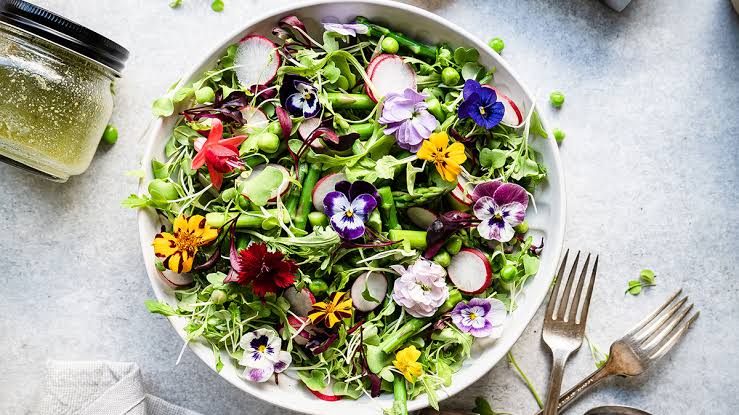
Edible flowers farming is rapidly emerging as a high-value agribusiness driven by increasing demand from restaurants, hotels, bakeries, supermarkets and health-conscious consumers. Once considered a niche market, edible flowers have become a popular ingredient in gourmet cuisine, herbal teas, salads, desserts, beverages, and natural food decorations. Their vibrant colors, unique flavors and nutritional benefits make them an attractive addition to modern culinary experiences.
For farmers looking to diversify their income, edible flowers offer an opportunity to tap into a premium market with relatively small land requirements. With proper cultivation techniques, careful handling, and effective marketing, edible flower farming can generate impressive returns throughout the year.
What are edible flowers?
Edible flowers are blossoms that are safe for human consumption and are used to enhance the flavor, aroma, texture and appearance of food and beverages. Unlike ornamental flowers grown solely for decoration, edible flowers are cultivated under strict food safety standards to ensure they are free from harmful chemicals and contaminants.
Many edible flowers have been used in traditional cuisines for centuries, while others are gaining popularity due to the growing interest in natural, organic, and visually appealing foods.
Common edible flowers include nasturtiums, pansies, violas, calendula, marigolds, lavender, chamomile, hibiscus, rose petals, borage, chrysanthemums, squash blossoms, bee balm and edible orchids.
Why edible flowers farming is a profitable business
The edible flowers market continues to expand as consumers seek healthier diets and chefs create visually stunning dishes that stand out. Restaurants, catering companies, luxury hotels, bakeries, cocktail bars and specialty grocery stores regularly purchase fresh edible flowers to enhance their menus.
Unlike many conventional crops, edible flowers often command premium prices because they are considered specialty products. Their short production cycle allows farmers to harvest continuously during the growing season, creating regular cash flow.
The business also offers opportunities for value addition through dried flower teas, herbal infusions, edible flower salts, syrups, jams, floral sugars, flavored honey, and natural cosmetics.
Choosing the best location
Most edible flowers thrive in areas that receive six to eight hours of sunlight daily. They perform well in fertile, well-drained soils rich in organic matter with a soil pH of between 6.0 and 7.0.
Good air circulation helps reduce fungal diseases while consistent access to clean irrigation water supports healthy flowering. Farmers can grow edible flowers in open fields, greenhouses, shade houses, raised beds, containers, or hydroponic systems depending on the crop and local climate.
Protected cultivation in greenhouses is particularly beneficial because it shields flowers from heavy rain, pests, and extreme weather while extending the production season.
Popular edible flowers to grow
Selecting flowers that have strong market demand is key to building a successful edible flower business. Nasturtiums are among the easiest to grow and are valued for their peppery flavor and vibrant orange, yellow, and red blooms. Pansies and violas are highly sought after for decorating cakes, pastries, and salads due to their colorful appearance.
Calendula, often referred to as “poor man’s saffron,” adds bright yellow and orange petals to soups, rice dishes, and herbal products. Lavender is widely used in teas, baked goods, desserts and aromatherapy products. Hibiscus is popular for herbal drinks, jams, and health beverages because of its tangy flavor and high antioxidant content.
Rose petals remain a favorite ingredient in desserts, syrups and beverages, while chamomile flowers are widely consumed as herbal tea known for its calming properties.
Planting and crop management
Preparing the land thoroughly before planting helps establish healthy crops. Organic compost or well-rotted manure should be incorporated into the soil to improve fertility and water retention.
Seeds or seedlings should be planted at recommended spacing to allow adequate airflow and reduce disease pressure. Consistent watering is essential, especially during flowering, but overwatering should be avoided as it encourages root diseases.
Regular weeding minimizes competition for nutrients, while mulching helps conserve soil moisture and suppress weed growth.
Balanced fertilization encourages vigorous growth and abundant flowering. Organic fertilizers are often preferred because edible flowers are consumed directly and buyers increasingly demand chemical-free produce.
Pest and disease management
Edible flowers are susceptible to pests such as aphids, thrips, whiteflies, spider mites, caterpillars and leaf miners. Fungal diseases like powdery mildew, gray mold, and leaf spots can also reduce flower quality.
Integrated Pest Management (IPM) provides an effective approach to controlling pests while minimizing chemical use. Farmers should encourage beneficial insects, monitor crops regularly, maintain proper plant spacing, and remove infected plant material promptly.
When pest control becomes necessary, only food-safe biological pesticides or approved organic products should be used. Since flowers are consumed fresh, avoiding harmful pesticide residues is essential for consumer safety and market acceptance.
Harvesting edible flowers
Harvesting should be carried out during the cool hours of the morning after the dew has dried but before the day’s heat causes wilting. Flowers harvested at this stage retain their freshness, aroma, and appearance for longer.
Only fully opened, healthy blooms free from insects, disease or physical damage should be selected. Gentle handling during harvesting helps prevent bruising, which can significantly reduce shelf life and market value.
Flowers should be placed immediately in clean, shaded containers and cooled as quickly as possible to preserve their quality.
Post-harvest handling
Edible flowers are highly perishable and require careful post-harvest management. Rapid cooling, proper packaging and refrigerated storage are essential for maintaining freshness.
Clear food-grade packaging protects delicate blooms while allowing customers to inspect product quality. Labels should indicate the flower variety, harvest date, storage instructions and confirmation that the flowers are intended for culinary use.
Proper cold chain management significantly extends shelf life and improves customer satisfaction.
Marketing edible flowers
Finding reliable buyers is crucial because edible flowers have a limited storage life. High-end restaurants, hotels, cafes, bakeries, supermarkets, organic food stores, event planners, florists specializing in edible arrangements and farmers’ markets are among the best customers.
Direct marketing through social media, farm websites, and online grocery platforms can also increase sales. Supplying subscription boxes to chefs or partnering with meal-kit companies creates consistent demand.
Farmers can further increase profitability by producing dried edible flowers for tea blends, herbal products, cake decorations, bath products and natural skincare ingredients.
Challenges in edible flowers farming
Despite its profitability, edible flower farming comes with several challenges. The flowers are delicate and highly perishable, making timely harvesting and delivery essential. Demand may fluctuate depending on seasons, tourism, and consumer preferences.
Food safety regulations require careful production practices because the flowers are intended for human consumption. Farmers must also educate consumers about which flowers are edible, as many ornamental flowers are toxic.
Weather extremes, pests and poor post-harvest handling can also reduce production and profitability if not properly managed.
Tips for success in edible flower farming
Building a successful edible flower enterprise begins with selecting varieties that have proven market demand. Growing flowers organically or with minimal chemical inputs can increase market appeal and attract premium buyers. Consistent quality, reliable supply, attractive packaging and strong relationships with chefs and retailers are equally important.
Diversifying into value-added products such as herbal teas, floral syrups, infused honey, edible flower ice cubes, dried petals and decorative cake toppings can help maximize profits while reducing post-harvest losses.
Edible flowers farming is a promising agribusiness that combines beauty with profitability. As consumers increasingly seek natural, healthy and visually appealing foods, demand for fresh edible flowers continues to grow across the hospitality, food and wellness industries.
With proper crop selection, sustainable production methods, careful post-harvest handling, and strategic marketing, farmers can establish a successful business that serves both local and export markets. Whether grown on a small garden plot or in a commercial greenhouse, edible flowers provide an excellent opportunity to diversify farm income while meeting the needs of an expanding specialty food market.

Author: Moureen Koech
Moureen Koech is a passionate Digital Journalist, an adept Agribusiness Writer with a keen eye for news and an impactful story-teller,whose stories provide key value to Agripreneurs and stakeholders in the Agricultural sector