Taking a SACCO loan can help you finance a business, pay school fees, build a home, meet an emergency or achieve another financial goal. However, there comes a point when your salary may no longer comfortably support another monthly loan repayment.
When this happens, applying for another loan simply because you still need money can put considerable pressure on your finances.
Instead, the situation requires a careful assessment of your income, existing debts and financial priorities.
- Calculate how much of your salary is already committed
Start by looking at your payslip and existing financial obligations.
Add up your current SACCO loan deductions, bank loans, mobile loans and other regular debt repayments. Then compare the total with your take-home salary.
Do not look at the amount you earn before deductions. Your ability to take another loan depends largely on how much money actually reaches your account each month.
If existing repayments already consume a significant portion of your disposable income, another loan could leave you struggling to meet basic expenses.
- Find out why you need the additional money
Before applying for another loan, identify exactly what the money is meant to accomplish.
There is a major difference between borrowing for an income-generating investment and borrowing to cover recurring household expenses.
If the money is needed for an emergency, consider whether there are less expensive alternatives. If it is intended for a business, calculate the expected income and determine whether it can realistically cover the additional repayment.
A clear purpose can help you decide whether borrowing is necessary at all.
- Check your existing SACCO loan balance
You may be closer to clearing your current loan than you realise.
Request an updated statement from your SACCO showing your outstanding principal, interest and remaining repayment period.
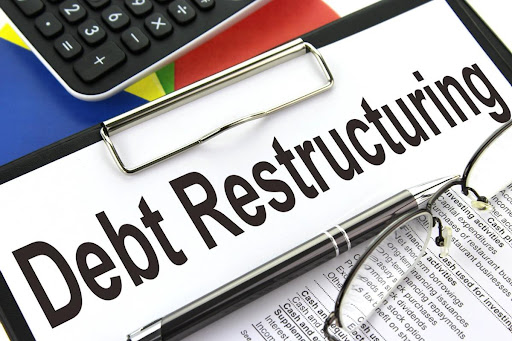
If you have already paid a substantial portion of the loan, ask whether your SACCO has an approved option for refinancing or restructuring.
However, do not assume that taking a new loan to clear an old one will automatically make your finances better. Compare the total cost and monthly repayment before making a decision.
- Consider saving before borrowing
If the expense is not urgent, postponing it and saving towards it may be a better option.
For example, instead of taking another loan for an item that can wait, establish a monthly savings target.
Saving takes longer than borrowing, but it does not create another monthly debt obligation.
It can also give you greater financial flexibility in the future.
- Increase your income instead of increasing your debt
If your salary cannot comfortably support another loan, increasing your income may be more sustainable than increasing your borrowing.
Depending on your circumstances, you could explore legitimate additional income opportunities such as freelance work, consulting, a small business or other skills-based activities.
The important consideration is whether the additional income is reliable enough to support the financial commitment you are considering.
- Review your monthly expenses
Go through your expenses line by line.
Identify payments that are essential and those that can be reduced, postponed or eliminated.
You may discover that the problem is not only the size of your salary but also the number of financial commitments competing for the same income.
Reducing unnecessary expenditure can free up money without creating another debt.
- Talk to your SACCO
If you have a strong repayment history but your current salary cannot support another loan, speak to the SACCO before submitting a new application.
Ask about the options available to members in your situation.
Your SACCO may have different loan products, restructuring options or savings arrangements, depending on its policies and your eligibility.
However, the SACCO’s approval criteria and terms should guide the final decision.
- Do not borrow simply because you qualify
Loan eligibility and loan affordability are not the same thing.
A SACCO may determine that you qualify for a particular amount based on your income, savings, guarantors or other requirements.
That does not necessarily mean the amount is financially comfortable for you.
Before accepting any loan, calculate the expected monthly repayment and consider what your budget would look like after the deduction.
- Consider a smaller loan
If the expense is genuinely necessary and borrowing is unavoidable, consider whether you need the full amount you initially planned to request.
A smaller loan can mean a lower monthly repayment and less interest over the repayment period.
However, the decision should be based on your ability to repay rather than simply trying to secure the maximum amount available.
- Avoid using one loan to solve another
Taking a new loan to pay an existing loan can create a cycle of borrowing.
For instance, if your salary cannot support your current SACCO deduction, adding another loan may make the problem worse.
Before consolidating or refinancing debts, calculate the total repayment under the new arrangement and compare it with your current obligations.
The objective should be to improve your cash flow, not simply move the debt from one account to another.
- Build an emergency fund
A lack of emergency savings can make people borrow whenever an unexpected expense arises.
Once your immediate financial pressure has eased, consider gradually building an emergency fund.
Even small, consistent savings can provide some protection against unexpected expenses and reduce the need to take loans for every financial emergency.
- Protect your SACCO membership and savings
Your SACCO membership can be an important long-term financial resource.
Repeatedly taking loans that stretch your income can increase financial pressure and potentially affect your ability to maintain regular repayments.
Instead, use your SACCO membership to build savings, improve your financial discipline and access credit when you genuinely need it.
- Reassess your financial goals
Sometimes the desire for another loan comes from trying to achieve several financial goals at the same time.
You may want to build a house, expand a business, buy a vehicle, pay school fees and invest simultaneously.
If your salary cannot support all these commitments, prioritise them.
Rank your goals according to urgency, financial benefit and affordability. Work on one major goal at a time where possible.
- Be careful with salary-based borrowing
Salary-based borrowing can appear convenient because repayment is automatically deducted from your income.
However, automatic deductions do not eliminate the financial burden.
Before taking another loan, ask yourself how much money you will have left after all deductions and whether that amount can comfortably cover your normal living expenses.
A loan should fit into your budget rather than forcing your entire budget to revolve around debt repayment.
- Know when not to borrow
Sometimes the best financial decision is to postpone the loan.
If your current debts are already putting pressure on your salary, adding another monthly obligation may not solve the underlying problem.
Instead, focus on clearing existing debts, rebuilding savings and increasing your income.
Once your financial position improves, you can reconsider borrowing for a worthwhile and affordable purpose.
What should you do if your salary cannot support another SACCO loan?
The first step is to stop and calculate your numbers before applying.
Find out how much of your salary is already committed to debt, establish your remaining disposable income and determine whether the proposed loan addresses a genuine need.
If the repayment would leave you struggling to pay for essential expenses, consider alternatives such as saving, reducing expenses, increasing income, requesting an approved restructuring option or postponing the purchase.
The key lesson is simple: being able to qualify for a SACCO loan does not necessarily mean you can comfortably afford it.

Author: Andrew Walyaula
Andrew Walyaula is a seasoned multimedia journalist. Email: [email protected]