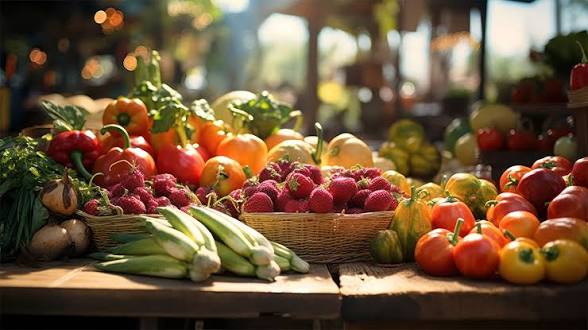
Farm-to-table delivery services are changing how consumers access fresh agricultural products by creating a direct connection between farmers and households, restaurants, hotels and other food businesses. Instead of agricultural produce passing through several intermediaries before reaching the final customer, farm-to-table models aim to shorten the supply chain and deliver products from farms to consumers more efficiently.
The growing interest in fresh, locally produced food has increased demand for convenient delivery services. Consumers want access to fresh vegetables, fruits, dairy products, eggs, meat and other farm products without necessarily travelling to farms or traditional markets. Farm-to-table delivery services provide a convenient way of meeting this demand while creating new market opportunities for farmers.
What are farm-to-table delivery services?
Farm-to-table delivery services involve the collection of agricultural products from farmers and their delivery directly to customers. Orders can be placed through websites, mobile applications, social media platforms, phone calls or other digital channels.
Depending on the business model, a delivery company may work with individual farmers, farmer groups, cooperatives or agricultural enterprises. Customers can select products based on availability and have them delivered to their homes, offices or businesses.
The model can cover a wide range of agricultural products, including fresh vegetables, fruits, potatoes, cereals, herbs, eggs, milk, meat and processed farm products.
How farm-to-table delivery works
The process typically begins with farmers producing agricultural commodities based on expected customer demand. The farm-to-table service then collects the products from participating farms or designated collection centres.
After collection, the produce may be sorted, cleaned, graded and packaged before being transported to customers. Some businesses use cold storage and refrigerated vehicles for products that require controlled temperatures.
Customers place orders according to the available products and delivery schedules. The service provider coordinates transportation and ensures that the order reaches the customer within the agreed timeframe.
Digital technology has made this process easier. Farmers and delivery businesses can use online platforms to display available products, receive orders, monitor inventory and communicate with customers.
Benefits to farmers
Farm-to-table delivery services can provide farmers with additional market opportunities. Instead of relying entirely on traditional markets, farmers can sell directly to consumers and businesses through organised delivery networks.
Direct marketing can also provide farmers with better information about consumer preferences. For example, farmers can identify demand for specific vegetables, fruits or organically produced food and adjust their production plans accordingly.
Another potential benefit is reduced dependence on multiple intermediaries. When there are fewer stages between the farm and the consumer, farmers may have greater control over how their products are marketed and sold.
Reliable delivery arrangements can also help farmers access customers outside their immediate communities.
Benefits to consumers
Consumers benefit from the convenience of ordering fresh agricultural products from home. Farm-to-table delivery eliminates the need to travel to farms or markets for every purchase.
The model can also provide customers with information about where their food comes from. Some services identify the farms supplying particular products, helping consumers understand the source of the food they purchase.
Freshness is another important consideration. Shorter supply chains can reduce the time between harvesting and delivery, particularly when products are collected and transported efficiently.
Customers may also have access to seasonal products that are not always readily available through conventional retail channels.
Role of technology in farm-to-table delivery
Technology plays an important role in modern farm-to-table businesses. Online ordering platforms allow customers to browse products, compare quantities and place orders without visiting a physical store.
Farmers and delivery companies can also use digital inventory systems to monitor available produce. This helps reduce situations where customers order products that are no longer available.
Route-planning technology can improve delivery efficiency by helping drivers identify suitable routes and group deliveries according to location. Digital payment systems can further simplify transactions between farmers, delivery businesses and customers.
Social media is also an important marketing tool. Farmers and farm-to-table businesses can use platforms such as Facebook, Instagram and TikTok to showcase farms, promote available produce and communicate directly with potential customers.
Challenges facing farm-to-table delivery services
Despite their potential, farm-to-table delivery services face several challenges. Transportation costs can be high, particularly when customers are widely distributed. Fuel, vehicle maintenance, packaging and labour can significantly affect operating expenses.
Perishable products also require careful handling. Vegetables, fruits, dairy products and meat can lose quality quickly if they are exposed to unsuitable temperatures or delayed during transportation.
Supply consistency is another challenge. Agricultural production is affected by weather, pests, diseases and seasonal variations. A delivery company may therefore struggle to maintain a consistent supply of certain products throughout the year.
Businesses must also develop reliable systems for quality control. Customers expect products to arrive fresh, clean and properly packaged.
Opportunities for smallholder farmers
Farm-to-table delivery services can create opportunities for smallholder farmers to participate in modern food markets. Farmers can work together through cooperatives or producer groups to supply larger and more consistent quantities.
Organised farmer groups can also coordinate harvesting, grading and packaging, making it easier for delivery companies to collect produce from multiple farms.
For farmers producing speciality products such as herbs, indigenous vegetables, fresh fruits and value-added foods, direct delivery can provide access to customers who are willing to purchase products conveniently.
Future of farm-to-table delivery
The farm-to-table delivery sector is likely to remain important as consumers increasingly seek convenient access to fresh food. Businesses that combine efficient logistics, reliable farmers and digital ordering systems can create stronger connections between producers and consumers.
The model can also support efforts to reduce food losses by improving coordination between production and demand. When farmers have better information about customer orders, they can potentially plan production and harvesting more effectively.
Farm-to-table delivery services provide a modern approach to connecting farmers with consumers. By shortening the supply chain, these services can create new markets for farmers while giving consumers convenient access to fresh agricultural products.
However, successful farm-to-table delivery requires effective transportation, proper food handling, reliable supply chains and good customer service. As technology continues to transform agriculture and food distribution, farm-to-table delivery can become an important part of the modern agricultural value chain.

Author: Moureen Koech
Moureen Koech is a passionate Digital Journalist, an adept Agribusiness Writer with a keen eye for news and an impactful story-teller,whose stories provide key value to Agripreneurs and stakeholders in the Agricultural sector