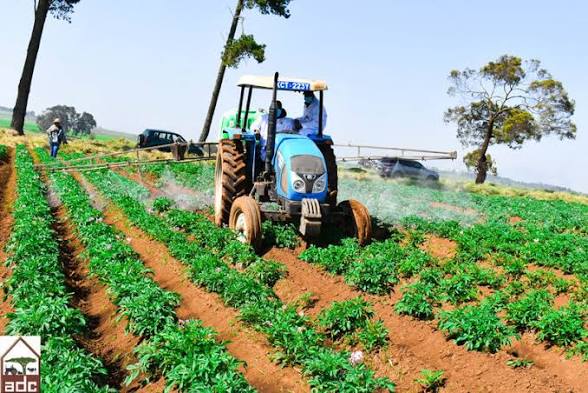
Agribusiness is an important part of the agricultural sector, connecting farming with activities such as input supply, production, processing, transportation, marketing and distribution. However, success in agribusiness does not depend on hard work alone. Proper planning is essential for farmers, agribusiness owners and investors who want to manage resources efficiently, reduce losses and build sustainable enterprises.
Agribusiness planning involves identifying business goals, understanding the market, estimating available resources, assessing risks and determining how different activities will be carried out. A well-prepared plan provides a clear direction and helps an entrepreneur make informed decisions instead of relying entirely on assumptions.
Better use of resources
One of the major benefits of proper planning in agribusiness is better use of available resources. Agricultural enterprises often operate with limited land, labour, capital, water and equipment. Without proper planning, these resources can easily be wasted.
Planning allows an agribusiness owner to determine how much land is available, the labour required, the inputs needed and the amount of capital that can be allocated to different activities. This helps ensure that resources are directed towards activities that support the business objectives.
For example, a farmer planning to establish a vegetable enterprise can estimate the amount of land, seeds, fertilizer, irrigation water and labour required before production begins. This can help prevent unnecessary purchases and shortages during the production cycle.
Improved financial management
Proper planning also helps agribusiness owners manage their finances more effectively. Agricultural businesses require money at different stages, including land preparation, purchasing inputs, paying workers, transportation, processing and marketing.
A business plan can help an entrepreneur estimate expected expenses and identify periods when additional capital may be required. Keeping financial records and preparing budgets can also make it easier to monitor whether the business is operating according to its financial objectives.
Good financial planning can reduce unnecessary expenditure and help an agribusiness owner prepare for unexpected costs.
Better understanding of the market
Agribusinesses depend heavily on markets. Producing a product without understanding who will buy it, when demand is high and what consumers want can expose a business to significant losses.
Proper planning encourages entrepreneurs to research their target market before investing heavily in production. This may involve identifying potential customers, studying consumer preferences, examining competing products and understanding market requirements.
For farmers, market planning can influence decisions about what to produce, how much to produce, when to harvest and where to sell. This can reduce the risk of producing large quantities of products for which there is limited demand.
Risk management
Agriculture is exposed to numerous risks, including drought, floods, pests, diseases, changing market conditions and supply disruptions. While not all risks can be eliminated, proper planning can help agribusiness owners prepare for them.
A good plan identifies potential risks and considers possible ways of responding to them. Farmers may, for instance, plan for water shortages by investing in appropriate water management systems or diversify their enterprises to avoid depending entirely on one source of income.
Risk planning can make an agribusiness more resilient when unexpected challenges occur.
Increased productivity
Planning can contribute to higher productivity by ensuring that agricultural activities are carried out at the right time and with the appropriate resources.
For crop farmers, planning can help determine when to prepare land, plant, weed, apply fertilizers, control pests and harvest. Livestock farmers can similarly plan feeding schedules, vaccination programmes, breeding activities and housing management.
When activities are properly scheduled, farmers are less likely to miss important production periods. This can improve the efficiency of the entire enterprise.
Improved decision-making
Agribusiness owners make decisions every day about production, investment, marketing and resource allocation. Without sufficient information, some of these decisions may be based on guesswork.
Planning provides a framework for making decisions based on business objectives, available resources and market information. It also allows entrepreneurs to compare different options before committing their resources.
For example, an agribusiness owner considering whether to expand production can assess available capital, market demand, labour requirements and expected returns before making the decision.
Easier business growth
Proper planning is particularly important for agribusinesses that want to expand. Growth may involve acquiring more land, increasing production, purchasing machinery, adding value through processing or entering new markets.
Without a clear plan, rapid expansion can put pressure on finances and management. A business may grow faster than its ability to manage production, supply chains or customers.
A growth plan helps the entrepreneur determine when and how expansion should take place. It can also identify the resources required to support a larger operation.
Improved record keeping and performance monitoring
Planning works closely with good record keeping. An agribusiness should track important information such as production volumes, input use, sales, expenses, labour costs and losses.
These records allow entrepreneurs to compare actual performance with their original plans. If production costs are higher than expected or sales are below projections, the business can identify the problem and make adjustments.
Regular monitoring also helps identify activities that are performing well and those that require improvement.
Proper planning is a foundation for successful agribusiness management. It helps businesses use resources efficiently, manage finances, understand markets, prepare for risks and improve productivity. It also supports better decision-making, business growth and performance monitoring.
Whether operating a small farm, livestock enterprise, agro-input business, food-processing company or agricultural distribution business, entrepreneurs can benefit from having clear goals and a practical plan.
Agribusiness planning should not be treated as a one-time activity. Plans should be reviewed regularly as market conditions, production costs, weather conditions, customer needs and business objectives change. By combining proper planning with good record keeping and continuous evaluation, agribusiness owners can build enterprises that are more organised, resilient and capable of achieving sustainable growth.

Author: Moureen Koech
Moureen Koech is a passionate Digital Journalist, an adept Agribusiness Writer with a keen eye for news and an impactful story-teller,whose stories provide key value to Agripreneurs and stakeholders in the Agricultural sector