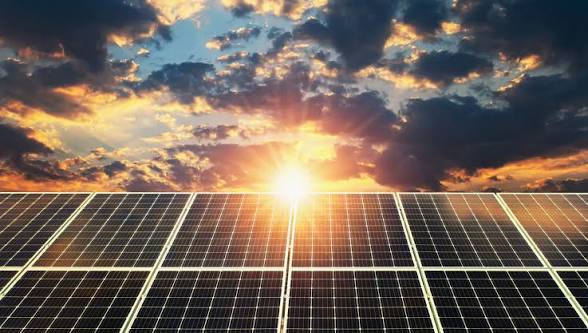
Solar energy is becoming an increasingly useful resource in agriculture as farmers and agribusinesses look for affordable, reliable and sustainable sources of power. Agriculture requires energy for activities such as irrigation, water pumping, cooling, lighting, processing, drying and storage. Solar technology can provide electricity for many of these operations, particularly in areas where access to reliable grid electricity is limited.
Solar energy is generated by converting sunlight into electricity or heat using technologies such as solar panels and solar thermal systems. With proper planning and installation, these technologies can help farmers reduce dependence on conventional energy sources while improving the efficiency of agricultural operations.
Solar-powered irrigation
One of the most important applications of solar energy in agriculture is irrigation. Solar-powered water pumps can draw water from wells, boreholes, rivers and other suitable sources and distribute it to farms.
Solar irrigation systems can be particularly useful for farmers in areas with limited access to electricity. During periods of strong sunlight, solar panels generate electricity that powers the water pump. Water can then be stored in tanks for use when needed.
Solar-powered irrigation can support more consistent crop production by allowing farmers to provide water during dry periods. When combined with efficient irrigation methods such as drip irrigation, it can also contribute to better water management.
Solar-powered cold storage
Agricultural products such as fruits, vegetables, milk, meat and fish can deteriorate quickly when they are exposed to unsuitable temperatures. Solar energy can be used to power cold rooms and refrigeration systems for storing perishable products.
Solar-powered cold storage can help farmers, traders and cooperatives preserve produce for longer periods and reduce post-harvest losses. It can also be useful in rural areas where conventional electricity supplies may be unreliable.
By maintaining appropriate storage conditions, farmers can have more time to transport their products to markets instead of being forced to sell immediately after harvesting.
## Solar Crop Drying
Solar energy can also be used to dry agricultural products. Solar dryers use heat from the sun to remove moisture from crops such as fruits, vegetables, herbs and grains.
Compared with traditional open-air drying, properly designed solar dryers can provide better protection against dust, insects and other contaminants. They can also help farmers achieve more controlled drying conditions.
Drying extends the shelf life of many agricultural products and can create opportunities for value addition. Farmers can process surplus produce into dried products that can be stored and sold later.
Solar water heating
Solar water heating systems can provide hot water for various agricultural activities. Dairy farms, food-processing businesses and other agricultural enterprises may require heated water for cleaning equipment, maintaining hygiene and processing activities.
Using solar energy to heat water can reduce reliance on electricity or fuel for these operations. Solar water heaters can be particularly useful for businesses that require hot water regularly.
Proper system sizing and installation are important to ensure that the technology meets the farm’s actual water-heating requirements.
Solar-powered livestock systems
Solar power can support several livestock farming activities. Solar electricity can be used for lighting animal housing, powering water pumps and operating certain equipment.
For example, a livestock farmer can use solar energy to pump water into storage tanks, making it easier to provide animals with a reliable water supply.
Solar lighting can also improve visibility around livestock facilities during early morning or evening operations while providing an alternative source of power in areas with unreliable electricity.
Solar-powered agricultural processing
Agricultural processing often requires electricity for machinery and equipment. Solar power systems can provide energy for certain small-scale processing operations, depending on their power requirements.
Solar electricity can support equipment used for activities such as milling, grinding, packaging and other forms of value addition. Businesses can combine solar systems with battery storage or other energy sources where continuous power is required.
This can create opportunities for farmers to process their products closer to the point of production rather than transporting raw products over long distances.
Solar greenhouse applications
Solar technology can also support greenhouse farming. Solar panels can provide electricity for equipment such as irrigation pumps, ventilation systems, sensors and lighting where required.
Combining solar energy with greenhouse production can help farmers operate certain systems without depending entirely on grid electricity. Automated irrigation and monitoring equipment can also improve resource management.
The appropriate technology will depend on the size of the greenhouse, crop requirements and available energy resources.
Solar lighting on farms
Lighting is another useful application of solar energy in agriculture. Solar-powered lights can be installed around farms, livestock housing, storage facilities and agricultural businesses.
Solar lighting can provide visibility for farmers working during early mornings or evenings and can support security around farm premises. Stand-alone solar lights can also be useful in areas where extending electrical connections would be difficult or expensive.
Benefits of solar energy in agriculture
The use of solar energy can provide several benefits to farmers and agribusinesses. It can reduce dependence on conventional electricity and fuel, particularly for operations that require power during daylight hours.
Solar systems can also support agricultural activities in remote areas where grid electricity is unavailable. Once installed, solar equipment can generate energy from sunlight with relatively low ongoing fuel requirements.
In addition, solar technology can contribute to more sustainable agricultural production by providing a renewable energy source for farming and food-processing activities.
Solar energy has numerous applications in agriculture, ranging from irrigation and cold storage to crop drying, water heating, livestock management and agricultural processing. Its flexibility makes it useful for both small-scale farmers and larger agribusinesses.
Before investing in solar technology, farmers should assess their energy needs, available sunlight, equipment requirements, installation costs and maintenance needs. Choosing the right system for the specific agricultural operation can help ensure that the investment provides practical value.
As agriculture becomes increasingly technology-driven, solar energy can play an important role in improving farm efficiency, supporting value addition and strengthening agricultural businesses, particularly in areas where reliable energy remains a challenge.

Author: Moureen Koech
Moureen Koech is a passionate Digital Journalist, an adept Agribusiness Writer with a keen eye for news and an impactful story-teller,whose stories provide key value to Agripreneurs and stakeholders in the Agricultural sector