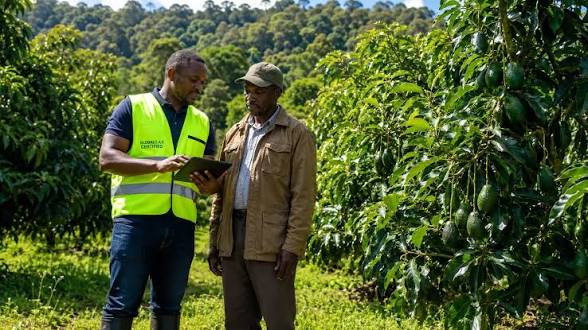
Agriculture is becoming increasingly knowledge-driven, creating opportunities for professionals with expertise in farming, agribusiness, livestock, crop production and agricultural technology. Farmers often need guidance on production practices, farm planning, markets, business management and the adoption of new technologies.
Starting an agricultural consultancy can therefore be a viable business opportunity for people with relevant agricultural knowledge and professional experience. The consultancy can serve individual farmers, cooperatives, agribusinesses, non-governmental organisations, institutions and other agricultural stakeholders.
Identify your area of specialisation
The first step is to determine the specific agricultural services you want to provide. Trying to offer every possible agricultural service when starting out can make it difficult to establish a clear identity.
You could specialise in areas such as crop production, livestock management, agribusiness planning, farm management, agricultural marketing, irrigation, greenhouse farming, poultry production, soil management or agricultural technology.
Your area of specialisation should match your knowledge, qualifications and practical experience. A clear niche can also make it easier to identify your target clients.
Identify your target market
Once you have chosen your area of specialisation, identify the people and organisations that are likely to need your services.
Your clients could include smallholder farmers, commercial farms, farmer cooperatives, agricultural input businesses, food processors, schools, financial institutions, development organisations or agribusiness entrepreneurs.
Understanding your target market helps you determine the specific problems your consultancy will solve and the services you should offer.
Develop your consultancy services
Create a clear list of services that clients can understand easily. For example, an agricultural consultancy could provide farm assessments, business plans, production planning, market research, farm management advice, training and agricultural project evaluation.
You can also provide customised advisory services based on the client’s needs. For example, a farmer planning to establish a dairy enterprise may require assistance with breed selection, feeding, housing, production planning and financial projections.
Develop a business plan
A business plan can help you organise the consultancy and determine how it will operate.
The plan should describe your target market, services, marketing strategy, operating expenses, revenue model and growth plans. It should also explain what makes your consultancy different from other agricultural advisory businesses.
Starting with a simple business plan allows you to test your idea and identify potential challenges before committing significant resources.
Meet legal and professional requirements
Before starting operations, determine the business registration, tax, licensing and professional requirements that apply to your location and the specific services you intend to provide.
Some specialised agricultural services may require particular professional qualifications, approvals or registrations. It is therefore important to confirm the applicable requirements before offering specialised advice to clients.
Professional standards are especially important when providing technical recommendations that could affect farm investments, animal health or crop production.
Build your professional network
Agricultural consultancy often requires collaboration with other professionals and organisations.
Build relationships with agricultural experts, veterinarians, agronomists, researchers, input suppliers, financial institutions, farmer groups and other relevant stakeholders.
A strong professional network can help you access expertise when a client has a problem outside your area of specialisation. It can also create opportunities for referrals and partnerships.
Establish an online presence
A professional online presence can help potential clients discover your consultancy. Start with a simple website or professional social media pages that explain your services, expertise and contact channels.
You can also publish useful agricultural content such as farming guides, market information, case studies and educational articles. Sharing valuable information consistently can demonstrate your knowledge and help build credibility.
For a new consultancy with a limited marketing budget, social media and educational content can provide an affordable way to reach farmers and agribusinesses.
Start small and build a portfolio
You do not need a large office or expensive equipment to start an agricultural consultancy. Depending on the services you provide, much of the initial work can be conducted through farm visits, phone consultations, online meetings and field assessments.
Consider starting with a manageable number of clients and focus on delivering quality work. Document successful projects, client feedback and measurable outcomes where appropriate.
Over time, these experiences can help you build a professional portfolio and attract larger clients.
Keep proper business records
Maintain accurate records of clients, projects, expenses, income, contracts and business activities.
Good records help you understand the financial performance of your consultancy and identify which services generate the greatest demand. They also make it easier to prepare reports, manage taxes and plan future growth.
Continue updating your knowledge
Agriculture is constantly changing due to new technologies, climate conditions, market trends, research and changing consumer needs.
An agricultural consultant should therefore continue learning through professional training, agricultural research, industry events and credible information sources.
Keeping your knowledge current allows you to provide clients with relevant and practical advice.
Starting an agricultural consultancy can provide an opportunity to turn agricultural knowledge and professional experience into a sustainable business. The key steps include identifying a clear area of specialisation, understanding your target market, developing useful services, meeting professional requirements and building a strong network.
Starting small, maintaining professional standards and consistently demonstrating value to clients can help a new agricultural consultancy establish itself and grow over time.

Author: Moureen Koech
Moureen Koech is a passionate Digital Journalist, an adept Agribusiness Writer with a keen eye for news and an impactful story-teller,whose stories provide key value to Agripreneurs and stakeholders in the Agricultural sector