Kenya and the Food and Agriculture Organization of the United Nations (FAO) are seeking to strengthen cooperation on soil health as part of efforts to increase agricultural productivity, promote sustainable farming and enhance long-term food security.
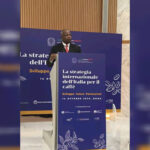
The commitment emerged during a meeting between Agriculture Cabinet Secretary Sen. Mutahi Kagwe and FAO Deputy Director-General Beth Bechdol at the organisation’s headquarters in Rome, Italy, where the two sides discussed strategies to improve soil management and support data-driven agricultural practices.
The discussions focused on strengthening Kenya’s soil health initiatives through technology, improved access to agricultural data and increased investment in technical expertise to help farmers make informed decisions.
FAO reaffirmed its commitment to supporting Kenya’s efforts to improve soil health, recognising its importance in sustainable agricultural production and resilient food systems.
Among the proposed interventions is the use of soil intelligence and technology to guide precision farming, enabling farmers to make decisions based on the specific conditions of their land. Such approaches can help improve the management of soil nutrients, support efficient use of agricultural inputs and promote more sustainable farming practices.
The meeting also highlighted the need to strengthen the Kenya Integrated Agricultural Management Information System (KIAMIS), which has been integrated with the Kenya Agricultural Data Information Centre (KADIC).
The systems are expected to support data-driven agricultural planning by improving the availability and use of information to guide interventions across the agricultural sector.
Access to reliable agricultural data is increasingly important as Kenya seeks to improve farm productivity, manage environmental challenges and strengthen food security. Better soil information can help farmers and agricultural officers identify soil conditions and determine appropriate management practices.
The two sides further discussed plans to establish a team of soil health champions to increase awareness and encourage action on sustainable soil management.
The initiative is expected to promote greater understanding of soil health among farmers and other agricultural stakeholders, while encouraging practices that maintain soil fertility and protect the environment.
The meeting also underscored the need to train more soil scientists to strengthen Kenya’s capacity in sustainable soil management.
A larger pool of qualified specialists would help address technical gaps in soil assessment, provide farmers with relevant guidance and support the development of evidence-based agricultural policies.
Healthy soils are essential for crop production because they provide plants with nutrients, support water retention and sustain the biological processes required for agricultural productivity. Poor soil management, by contrast, can contribute to declining fertility, erosion and reduced crop yields.
For Kenya, where agriculture remains a key source of livelihoods and food, improving soil health is an important part of building a more productive and climate-resilient sector.
The collaboration with FAO aligns with broader efforts to promote sustainable agricultural practices, strengthen institutional capacity and ensure farmers have access to the information and technical support needed to improve production.
The engagement in Rome reinforces Kenya’s commitment to data-driven agriculture, with soil health positioned as a foundation for restoring degraded land, protecting natural resources and building resilient food systems.
Both parties emphasised the importance of combining technology, technical expertise and farmer awareness to support sustainable soil management and secure agricultural productivity for future generations.

Author: Moureen Koech
Moureen Koech is a passionate Digital Journalist, an adept Agribusiness Writer with a keen eye for news and an impactful story-teller,whose stories provide key value to Agripreneurs and stakeholders in the Agricultural sector