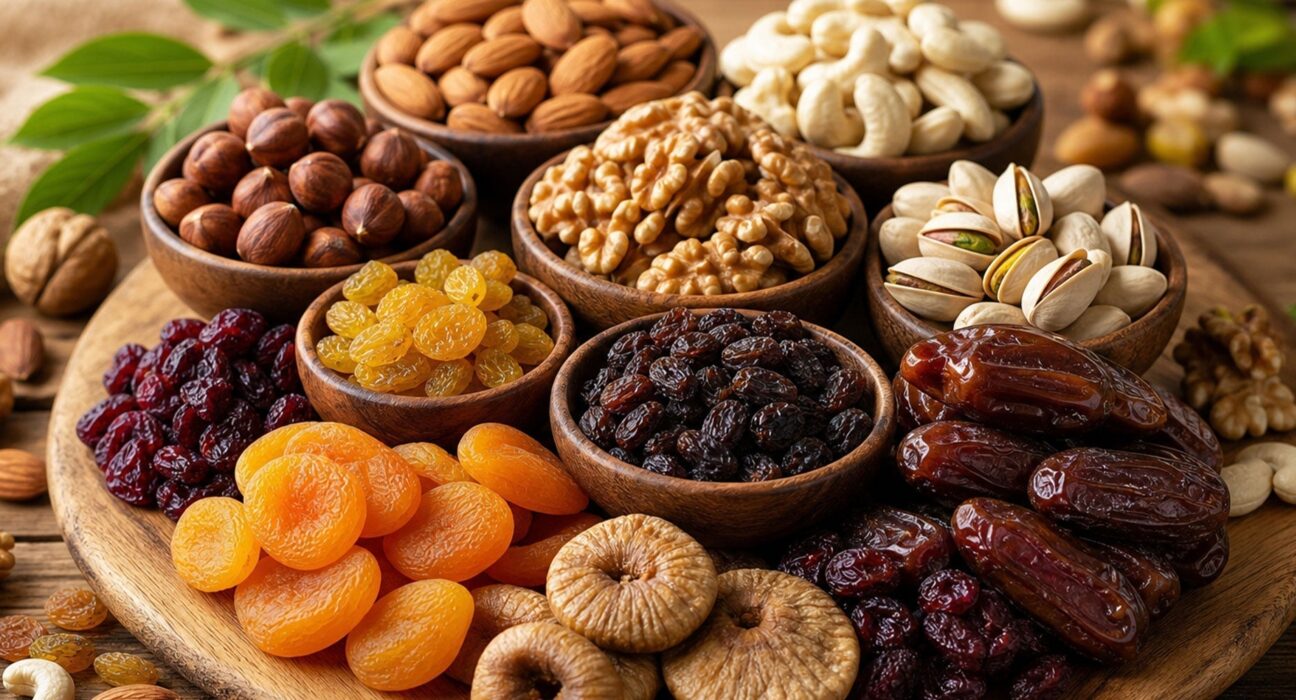
Every year, a large share of fresh fruits and vegetables is lost between the farm and the consumer. Mangoes rot in the glut of the harvest season, tomatoes crash in price and leafy greens wilt before they reach the market. Drying offers a practical solution. It extends shelf life, reduces losses and turns ordinary produce into a product that sells for much more. For farmers and small entrepreneurs, dried fruits and vegetables are one of the most accessible value addition opportunities in agribusiness.
Why drying makes business sense
Drying removes most of the water from fresh produce, which slows the growth of bacteria, yeast and mould. The result is a lightweight product that can be stored for months without refrigeration. This matters most in areas where cold storage is scarce or electricity is unreliable.
The economics are attractive as well. Dried products are lighter and smaller than fresh produce, so transport and storage cost less per unit of value. During peak harvest, when fresh prices collapse, farmers can dry the surplus and sell later at stronger prices. Growing consumer interest in healthy snacks, natural foods and convenient cooking ingredients also keeps demand rising in both local and export markets.
Popular products to consider
A wide range of crops can be dried successfully. Among fruits, mangoes, bananas, pineapples, apples, papayas, apricots, dates and tomatoes are common choices. Among vegetables, onions, carrots, kale, spinach, okra, peppers, cabbage and indigenous leafy greens perform well. Dried herbs and spices can also be produced with similar equipment.
The best choice depends on what grows abundantly in your area, what buyers want and how well the crop dries. Starting with produce you can source cheaply and consistently will protect your margins.
Drying methods: From Simple to Advanced
Different drying methods suit different budgets and scales of production.
– Open sun drying.The cheapest method, where produce is spread on trays or mats in the sun. It is simple but exposes products to dust, insects and sudden rain, which can lower quality.
– Solar dryers. Enclosed units that use the sun’s heat while protecting produce from contamination. They dry faster, produce cleaner products and are affordable for small producers.
– Electric or gas dehydrators.Offer precise temperature control and consistent results, but depend on energy supply and carry higher running costs.
– Freeze drying. Produces premium quality but needs expensive equipment, which is usually out of reach for beginners.
For most small enterprises, a well-built solar dryer is the best starting point, offering a balance of low cost, hygiene and reliable output.
Basic steps in the drying process
Quality drying follows a consistent routine. First, select fresh, ripe, undamaged produce, since poor raw material cannot become a good product. Wash it thoroughly with clean water, then peel, trim and slice into uniform pieces so that they dry evenly. Some products benefit from pre-treatment, such as blanching vegetables or dipping fruit in a mild lemon or ascorbic acid solution to preserve colour.
Next, arrange the slices in a single layer on clean trays and dry them at the right temperature until they reach the proper moisture level. Once dried, allow the product to cool, then pack it quickly in clean, airtight packaging to prevent it from absorbing moisture again. Proper drying is critical: under-dried products spoil, while over-dried ones lose texture and flavour.
Packaging, Branding and Labelling
Attractive, protective packaging increases both shelf life and price. Use food-grade, moisture-proof pouches or containers that keep out air and light. Clear labels should show the product name, weight, ingredients, production and expiry dates and your contact details. A memorable brand name, a clean design and a short story about your farm or community help you stand out from unbranded competitors. Different pack sizes, from small snack packs to bulk catering bags, let you reach more types of customers.
Finding markets for dried produce
Dried fruits and vegetables can be sold through supermarkets, health food shops, hotels, restaurants, schools, hospitals, farmers’ markets, online platforms and export channels. Dried vegetables are valued by institutions and households as convenient, long-lasting cooking ingredients. Dried fruits appeal to snack lovers, athletes, travellers and health-conscious buyers.
Build relationships with a few reliable buyers first, then expand. Offering samples, maintaining consistent quality and delivering on time will earn repeat orders. Exporting requires meeting stricter standards, so begin locally and grow into regional and international markets as your systems mature.
Quality, safety and regulation
Food safety is non-negotiable. Maintain a clean production area, use clean water, keep equipment sanitized and train workers in hygiene. Most countries require food businesses to obtain permits and meet standards set by their food safety or bureau of standards authority, so register your enterprise and have your products inspected where required. Certification builds buyer confidence and opens doors to larger markets.
Startup costs and profitability
Startup costs depend on scale. A small operation may need little more than a solar dryer, trays, knives, washing basins, a scale, packaging materials and a permit. Costs rise with electric dehydrators, sealing machines and larger premises. Profit comes from the gap between the cost of fresh produce plus processing and the selling price of the packaged product. Because fruit and vegetable prices swing, buying in peak season at low prices is a major margin booster.
Common challenges
Producers often struggle with inconsistent supply of raw produce, unpredictable weather for sun drying, limited market access and meeting quality standards. Moisture control and packaging quality are frequent weak points. Solving these challenges calls for good planning, simple record keeping, partnership with farmer groups for steady supply and investment in better drying technology as income grows.
Drying fruits and vegetables turns perishable produce into a durable, higher-value product while cutting waste and stabilizing income. With clean production, smart packaging and a clear market plan, even a small entrepreneur can build a profitable and sustainable agribusiness around this simple preservation technique.

Author: Moureen Koech
Moureen Koech is a passionate Digital Journalist, an adept Agribusiness Writer with a keen eye for news and an impactful story-teller,whose stories provide key value to Agripreneurs and stakeholders in the Agricultural sector