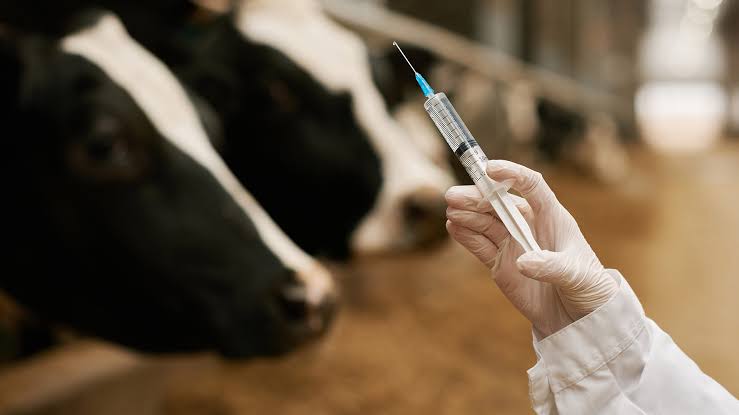
Healthy animals are the foundation of every successful livestock enterprise. Yet disease remains one of the biggest threats to farmers, wiping out herds, cutting milk and egg production and draining income through treatment costs. This reality has created a strong and growing opportunity: the animal health and vaccination business. For entrepreneurs with the right skills and a passion for livestock, it offers steady demand, meaningful impact and solid returns.
Why animal health is a business opportunity
Livestock keepers lose enormous value each year to preventable diseases such as Newcastle disease in poultry, foot-and-mouth disease, East Coast fever, mastitis and worm infestations. Many smallholders struggle to access qualified service providers, quality drugs and reliable advice. Wherever there is a gap between what farmers need and what is available nearby, there is room for a business.
Demand is also rising as farmers move toward commercial production. Dairy farmers, poultry keepers and pig producers increasingly understand that spending on prevention costs far less than losing animals. Growing urban demand for meat, milk and eggs keeps pushing producers to protect their stock.
Types of animal health businesses
There are several ways to enter this field, depending on your training and capital:
– Veterinary drug and supplies shop (agrovet). Sells vaccines, dewormers, antibiotics, acaricides, vitamins and equipment.
– Mobile vaccination services. Trained personnel travel to farms to vaccinate poultry, cattle, goats and pigs.
– Community animal health worker services. Locally trained workers provide basic treatment, vaccination and advice.
– Veterinary clinic. A practice run by a qualified veterinarian offering diagnosis, treatment and surgery.
– Vaccine distribution and cold chain. Supplies vaccines to retailers and groups, with proper refrigeration.
– Animal health consultancy and training. Advises farms on biosecurity, herd health plans and record keeping.
Legal requirements and qualifications
Animal health is a regulated field. Selling prescription drugs, administering certain treatments and running a clinic usually require professional registration, such as that of a licensed veterinarian or veterinary paraprofessional. Agrovets generally need business permits and approval from the relevant veterinary or pharmacy authority. Rules differ between countries, so check with your veterinary board and local authorities before starting. Operating without the proper credentials is risky for you and for the animals in your care.
Vaccination: The heart of the business
Vaccination is among the most cost-effective ways to protect livestock. A well-planned vaccination schedule prevents outbreaks, reduces antibiotic use and keeps production steady. Routine services include poultry vaccines for diseases like Newcastle and Gumboro, as well as vaccination of cattle, goats and sheep against common local diseases.
Handling vaccines correctly is critical. Most must be kept cold from the point of manufacture to the point of use, which means reliable refrigeration, cool boxes and careful transport. A vaccine that has been exposed to heat is useless, and farmers who lose animals after a failed vaccination will quickly lose trust in the provider.
Startup costs and revenue streams
Capital needs vary widely. A small agrovet requires premises, initial stock, shelving, a refrigerator, licenses and working capital. A mobile vaccination service can begin with lower investment, mainly a cool box, syringes, protective gear, transport and a starting stock of vaccines.
Income can come from several sources: sale of drugs and vaccines, service fees for vaccination and treatment, consultation charges, training sessions, deworming and tick-control campaigns, and sale of feeds and supplements. Bundling services, such as a quarterly herd health package, creates predictable recurring revenue.
Building a customer base
Trust is everything in this business. Start by visiting farms, dairy cooperatives, poultry groups and local markets to introduce your services. Offer farmer training days on disease prevention and record keeping, which showcase your knowledge and attract clients. Partnering with cooperatives, feed suppliers and local veterinary officers can bring steady referrals.
Reliability sets successful providers apart. Respond quickly during outbreaks, keep fair prices and explain clearly what you are giving and why. Many farmers become loyal customers when they see healthier animals and lower losses.
Challenges to expect
Running an animal health business comes with real difficulties. Cold chain failures from unreliable electricity can spoil vaccines. Poor roads make reaching remote farms slow and costly. Some farmers delay paying or prefer cheap, unverified drugs. Counterfeit or expired products are another danger, so always buy from reputable suppliers and check expiry dates.
Disease outbreaks can also be unpredictable, and a single mistake can damage your reputation. Continuous learning, careful record keeping and good supplier relationships help manage these risks. Solar-powered refrigerators and backup cooling methods are useful investments where power is unstable.
Using technology and good records
Digital tools can improve both service and profits. Mobile apps and simple spreadsheets can track vaccination dates, customers, stock levels and expiry dates. SMS or WhatsApp reminders help farmers stay on schedule, which boosts repeat business. Telehealth and phone consultations allow you to triage cases and decide when a farm visit is truly necessary.
Tips for starting strong
Begin by researching the main livestock diseases and farming systems in your area. Get the necessary training and registration, then choose a service model that fits your budget. Secure a dependable supplier, invest in proper cold storage and build relationships with veterinary officers who can guide you. Start small, focus on quality and expand as your reputation grows.
The animal health and vaccination business combines profit with purpose. By protecting livestock, you protect farmers’ livelihoods, improve food security and help build a more resilient agricultural sector. With the right qualifications, a dependable cold chain and a commitment to honest service, this enterprise can grow into a trusted, long-term business.

Author: Moureen Koech
Moureen Koech is a passionate Digital Journalist, an adept Agribusiness Writer with a keen eye for news and an impactful story-teller,whose stories provide key value to Agripreneurs and stakeholders in the Agricultural sector