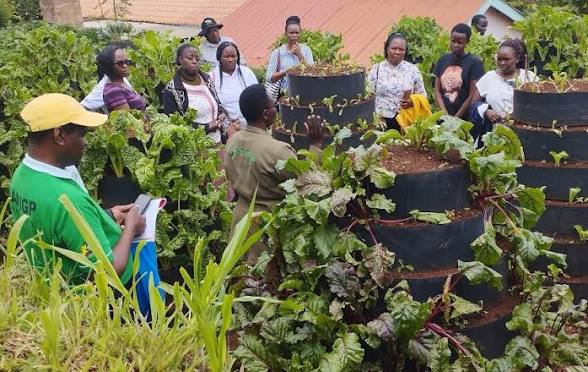
What is an Agri-SACCO?
An Agri-SACCO is a savings and credit cooperative built around farming. Members, who are usually smallholders growing tea, coffee, sugarcane or producing milk, pool their savings and lend to one another at fair rates. Unlike commercial banks, which often see farming as risky and unpredictable, these cooperatives understand their members’ income cycles and design loans around them. Kenya’s farmer-based Saccos grew from crop and dairy activities, and many were founded on coffee, tea, sugarcane or dairy production.
Why farmers need their own financial institutions
Farm income arrives in bursts. A tea farmer is paid monthly or through bonuses, a coffee farmer waits for the season, and a dairy farmer’s earnings depend on daily milk deliveries. Banks tend to ask for collateral that smallholders do not have, such as title deeds, and their repayment schedules rarely match the farming calendar. Agri-SACCOs fill this gap by using members’ deliveries, savings and shares as the basis for lending, so credit is easier to reach and repayment can be tied to produce sales.
Githunguri dairy and community sacco: A standout example
The best-known Kenyan example is the Githunguri Dairy and Community Sacco (GDC) in Kiambu County. It started in 2003 as a dairy farmers’ Sacco before widening its membership to the wider community. It is linked to the Githunguri Dairy Cooperative, which draws on over 27,000 small-scale farmers supplying more than 260,000 litres of milk daily.
The Sacco’s growth shows what is possible. In 2025 it secured a Sh500 million World Bank-funded credit facility to offer digital short-term loans of one to six months to members, who number more than 38,000, mostly dairy farmers and small business owners. Its CEO has said that by 2026 the Sacco had expanded to serve about 79,000 customers, with digital loans and livestock-backed credit among its products. The lesson for other agribusinesses is that a Sacco rooted in one value chain can scale quickly when it adopts mobile technology and attracts development finance. [Sigh of relief for Githunguri dairy farmers as sacco secures Sh500 million from World Bank
Tai Sacco: Serving Tea, Coffee, Milk and Poultry Farmers
Tai Sacco, also based in Githunguri, shows how an Agri-SACCO can tailor products to local crops. Its agribusiness lending includes tea-based loans, coffee loans, milk loans and pig and poultry loans. The Sacco also widened its common bond to farmers in other fields, civil servants and the business community, which spreads risk because members’ incomes do not all depend on the same season. Matching loan types to specific enterprises is a model many smaller Agri-SACCOs can copy.
Key benefits for farmers and agribusinesses
Affordable and flexible credit. Loans can be tied to harvest cycles, with repayment deducted from produce payments, which lowers default risk for both sides.
Access to inputs and equipment. Members can borrow for seeds, feed, breeding stock, milking equipment or farm tools without waiting for the next payout.
Savings discipline. Regular contributions build shares and deposits that act as a safety net in bad seasons.
Shared ownership and dividends. Profits go back to members through dividends and interest on deposits, keeping money in rural communities.
A bridge to bigger finance.The GDC case shows that a well-run Sacco can attract institutional funding that individual farmers could never reach alone.
Challenges facing Agri-SACCOs
Agri-SACCOs also face real obstacles. Income depends on weather and crop prices, so repayment can slow when seasons fail. A Githunguri Dairy Sacco official has noted that rural Saccos depend on agriculture and face unpredictable seasons, and has urged regulators to ease levies on rural societies. Weak governance, poor record-keeping and loans to directors have also sunk some cooperatives. Deposit-taking Saccos must meet the standards of the Sacco Societies Regulatory Authority (SASRA), which supervises them, and smaller societies sometimes struggle with the compliance cost.
How to start or strengthen an Agri-SACCO
Groups wanting to start should first agree on a clear common bond, such as farmers in the same crop or area. Next, register under the Co-operative Societies Act, adopt written bylaws and elect trustworthy leaders. Start small with member savings and short-term loans, keep honest books, and insure against crop and livestock losses where possible. As the Sacco grows, adding mobile loan platforms and partnering with produce buyers can improve repayment and reach.
Agri-SACCOs prove that farmers can finance themselves when they organise well. Githunguri and Tai Sacco show how a cooperative built on dairy, tea and coffee can grow into a trusted lender for thousands of households. For Kenya’s smallholders, joining or building a strong Agri-SACCO may be one of the most practical ways to unlock capital, reduce dependence on middlemen and grow farm incomes.

Author: Moureen Koech
Moureen Koech is a passionate Digital Journalist, an adept Agribusiness Writer with a keen eye for news and an impactful story-teller,whose stories provide key value to Agripreneurs and stakeholders in the Agricultural sector