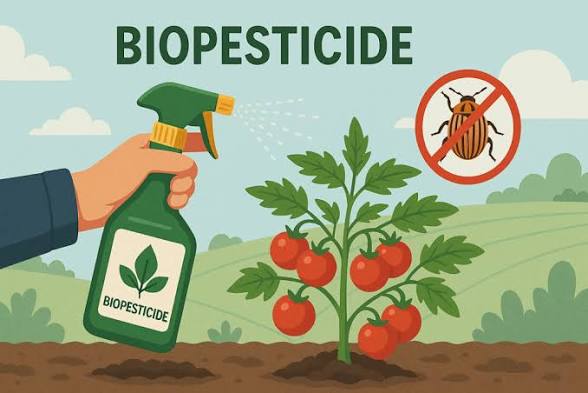
Biopesticides are pest control products made from natural materials such as plants, bacteria, fungi, viruses and minerals. Unlike synthetic chemicals, they usually target specific pests, break down quickly in the environment and leave fewer residues on food. As farmers, consumers and governments become more concerned about chemical use, biopesticides have moved from a niche product to a serious agribusiness opportunity.
The main groups include microbial products (such as Bacillus thuringiensis, Beauveria bassiana and Trichoderma), botanical products (neem, pyrethrum and garlic or chilli extracts), biochemicals like pheromones, and natural minerals. Each works differently, but all aim to control pests with less harm to people, pollinators and soil life.
Why demand is rising
Several forces are driving the market. Export buyers, especially in Europe, enforce strict limits on pesticide residues, so growers of fruits, vegetables and flowers must reduce chemical use to keep their contracts. Local consumers are also asking for safer food, and organic produce attracts premium prices. At the same time, pests are developing resistance to many synthetic products, which pushes farmers to look for alternatives.
Rising input costs add to the pressure. Farmers who learn to use biopesticides as part of integrated pest management often cut spraying costs while protecting beneficial insects like bees and natural predators. This combination of market access, safety and long-term savings keeps demand growing.
Business models in the biopesticide sector
There are several ways to enter this market, depending on your capital and skills. The simplest is retail: stocking registered biopesticides in an agrovet or agro-dealer shop and advising farmers on correct use. Because these products need more explanation than conventional chemicals, shops that train their customers build strong loyalty.
A second option is distribution, buying from manufacturers and supplying agrovets, cooperatives and large farms. A third is local production, such as making neem-based or other plant-extract products. This needs more investment and compliance work, but margins can be higher. A fourth is offering pest management services, where you scout fields, apply biological products and train farmers on a subscription or contract basis. Large horticultural farms and out-grower schemes are good clients for this model.
Regulation and registration
In Kenya, pest control products must be registered with the Pest Control Products Board (PCPB) before they can be legally manufactured, imported or sold. Even natural products are covered, so a plant extract sold as a pesticide needs proper approval. Registration involves product data on safety, effectiveness and labelling, and it takes time and money, so plan for it early.
Always sell only registered products, keep records of your stock and suppliers, and make sure labels carry clear instructions. Compliance protects your customers and your business, and it also builds trust with buyers who demand traceable, safe produce.
Starting a biopesticide business step by step
Begin by studying your market. Find out which crops dominate your area, which pests cause the most loss and what farmers currently spend on control. Talk to farmers, extension officers and agro-dealers to see where the gaps are. Then choose your model, whether retail, distribution, services or production.
Next, secure registered products from reliable suppliers or complete the registration process for your own product. Budget for stock, storage, transport and training materials. Many biopesticides, particularly microbial ones, are sensitive to heat and sunlight, so cool, shaded storage is important. Finally, invest in demonstrations on a few farms. Seeing results in the field is the most effective way to convince farmers who are used to fast-acting chemicals.
Challenges and how to overcome them
Biopesticides often work more slowly and need correct timing, so farmers may be disappointed if they expect instant kill rates. Teaching proper scouting, early application and integrated pest management is essential. Shelf life can also be shorter, so manage stock carefully and avoid overbuying. Prices may be higher than basic chemicals, which means you must show the value: lower residue risk, access to export markets and protection of beneficial insects.
Counterfeit and unregistered products are another risk. Buy only from licensed suppliers and educate customers on how to check labels and registration numbers. Partnering with extension services, farmer groups and research institutions can help you stay informed on new products and best practices.
The future of biopesticides
The outlook is promising. Investment in biological solutions is growing worldwide, new microbial and botanical products keep entering the market, and governments are encouraging safer pest control as part of climate-smart agriculture. Entrepreneurs who build technical knowledge, stay compliant and focus on farmer training are well placed to benefit.
Biopesticides offer a practical way to build a profitable agribusiness while supporting healthier food and a cleaner environment. Whether you sell, distribute, produce or provide application services, success depends on knowing your crops, following regulations and helping farmers use these products correctly. Start small, prove results on the farm and grow as trust and demand increase.

Author: Moureen Koech
Moureen Koech is a passionate Digital Journalist, an adept Agribusiness Writer with a keen eye for news and an impactful story-teller,whose stories provide key value to Agripreneurs and stakeholders in the Agricultural sector