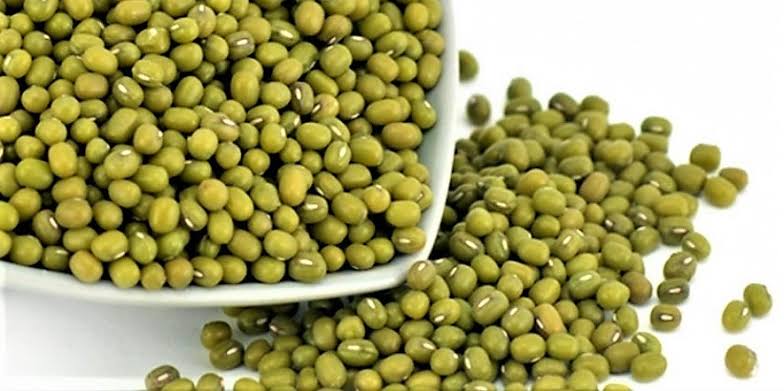
Green grams, known locally as ndengu, are one of the most reliable cash crops for farmers in dry and semi-arid areas. They mature quickly, need little water, and fetch good prices in both local and export markets. For anyone looking for a low-cost agribusiness with fast returns, the green gram business offers an attractive entry point, whether you want to farm, trade, or process.
Demand is steady because ndengu is a staple in Kenyan homes. It is cooked in stews, mixed with rice or chapati, and increasingly used in flour and baby food. Beyond household use, institutions such as schools, hotels and hospitals buy it in bulk, which creates a dependable market throughout the year.
Best growing conditions and varieties
Green grams thrive in warm areas with moderate rainfall and well-drained loam or sandy-loam soils. Regions such as Kitui, Makueni, Machakos, Embu, Tharaka Nithi, Meru and parts of the Coast have long grown the crop successfully. Waterlogged soils should be avoided because they encourage root diseases and reduce yields.
Choosing the right seed is the first step to a good harvest. Improved varieties such as N26 and K80 are popular because they mature early, usually within 60 to 90 days, and offer better yields and larger seeds than local types. Certified seed from a trusted agro-dealer or seed company is worth the extra cost because it is cleaner, germinates better and resists disease more effectively.
How to grow green grams step by step
Start with good land preparation. Plough and harrow the field to get a fine seedbed, then plant at the onset of the rains. A common spacing is about 50 cm between rows and 10 cm between plants, with roughly 8 to 10 kg of seed per acre. Planting in rows makes weeding, spraying and harvesting much easier.
Weed early, ideally two to three weeks after germination and again before flowering, since weeds compete strongly with young plants. Green grams fix their own nitrogen, so they need little fertilizer, though phosphorus-based fertilizer at planting can boost yields on poor soils. Watch for pests like aphids, bean flies, thrips and pod borers, and for diseases such as powdery mildew and leaf spot. Scout the field regularly and spray only when needed, following the label on any approved product.
Harvesting, drying and storage
Harvest when most pods turn brown or black and dry. Because pods ripen unevenly, farmers often pick two or three times, which protects the seeds from shattering and bird damage. Dry the pods in the sun on tarpaulins, then thresh and winnow to remove chaff and dirt.
Storage is where many farmers lose money. Grain should be dried to about 12 to 13 percent moisture before bagging. Weevils and bruchids can destroy stored ndengu quickly, so use hermetic storage bags or clean, airtight containers in a cool, dry store. Good storage lets you hold stock until prices improve rather than selling cheaply at harvest.
Costs, yields and Profit Potential
The main costs are land preparation, seed, labour, pest control and transport. Because the crop is short-season and needs few inputs, the startup cost is lower than for many other crops. With good management, an acre can produce several 90 kg bags, and results improve with certified seed, timely planting and proper weeding. Prices change with season and supply, so always check current market rates before planning your budget. Keeping simple records of costs and sales will show you exactly where your profit comes from.
Finding Markets and Adding Value
Farmers can sell to local traders, open-air markets, cereal stores and aggregators, but better prices usually come from organized selling. Joining a farmer group or cooperative lets you pool harvests, negotiate as a bigger supplier and reach buyers such as wholesalers, millers and exporters. Warehouse receipt systems and contract farming arrangements can also reduce price risk.
Value addition is where the business grows. Cleaning, sorting and packaging ndengu in branded 500 g, 1 kg and 2 kg packs lets you sell to supermarkets at higher margins. You can also mill green gram flour, sell sprouted grams, or prepare cooked ndengu for the fast-growing ready-to-eat market. Each step adds income without needing much more land.
Challenges
Erratic rainfall, price swings at harvest, pests and poor storage are the main risks. Reduce them by planting certified seed on time, using drought-tolerant varieties, diversifying with other crops, and avoiding distress sales. Linking with extension officers and agro-dealers also keeps you updated on new varieties and pest control methods.
The green gram business combines low startup costs, short growing cycles and steady demand, which makes it ideal for beginners and experienced farmers alike. Start small, learn the crop, protect your harvest after drying, and move into packaging or processing as you gain confidence. With sound planning, ndengu can become a dependable source of income all year round.

Author: Moureen Koech
Moureen Koech is a passionate Digital Journalist, an adept Agribusiness Writer with a keen eye for news and an impactful story-teller,whose stories provide key value to Agripreneurs and stakeholders in the Agricultural sector