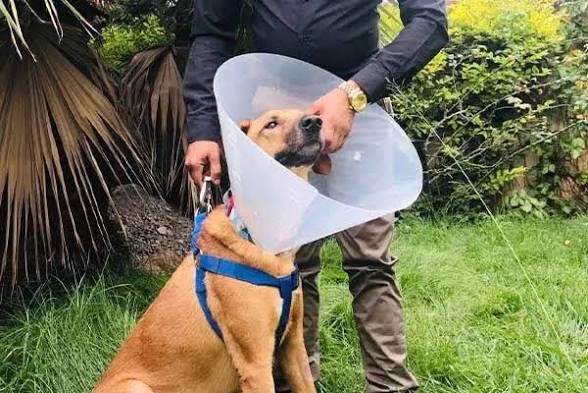
A mobile veterinary clinic is an animal health service that travels to farms, homesteads and markets instead of waiting for farmers to bring their animals to a fixed clinic. The vet arrives with a vehicle or motorbike carrying drugs, vaccines, diagnostic tools and basic surgical equipment, then treats animals on the spot.
This model solves a real problem. Many farmers live far from veterinary offices, and transporting a sick cow, a flock of chickens or a pregnant goat is costly and stressful. A mobile service saves time, reduces animal suffering and helps treatment begin before conditions worsen
Why the business opportunity is strong
Livestock is a major source of income for Kenyan households, yet access to qualified animal health services is uneven, especially in rural and peri-urban areas. Farmers lose animals to preventable diseases, tick-borne illnesses, parasites and poor breeding management. Where vets are scarce, farmers often depend on untrained sellers, which can lead to wrong treatment and drug resistance.
A mobile clinic fills this gap and earns steady income from many services. Dairy farmers need regular check-ups, vaccinations, deworming, mastitis treatment and breeding support. Poultry keepers need vaccination programmes and disease control. Pig, goat, sheep and beef farmers need similar care. Pet owners in towns also pay for house calls, which can balance your income.
Services you can offer
A mobile clinic can offer a wide range of services, including vaccination, deworming, tick and parasite control, treatment of common illnesses, pregnancy diagnosis, assistance with calving, minor surgery, wound care and routine health checks. You can also provide herd health planning, farm visit advice, feeding guidance, record keeping support and farmer training.
Artificial insemination is another strong service where you hold the right training and approvals. Combining treatment with preventive programmes, such as monthly or seasonal packages, creates recurring income and improves outcomes for farmers.
Qualifications and licensing
Animal health is a regulated profession. In Kenya, veterinary practice is overseen by the Kenya Veterinary Board, and only registered veterinarians and licensed paraprofessionals can legally offer specific services. If you are not a vet yourself, you can still own the business but must employ or partner with qualified, registered professionals.
Register the business, obtain required permits for operating a veterinary practice and handling veterinary drugs, and confirm requirements with your county veterinary office. Use only registered drugs and vaccines from licensed suppliers, and follow rules on storage, record keeping and disposal of medical waste. Operating outside the law risks fines, closure and harm to animals.
Startup equipment and costs
Your main needs are a reliable vehicle or motorbike suited to rough roads, a cool box or small fridge for vaccines, and a medical kit. Typical items include syringes, needles, thermometers, stethoscopes, surgical instruments, gloves, disinfectants, bandages, ear tags and a weighing tape. You will also need drugs and vaccines, protective clothing, a phone and a simple record system.
Portable equipment such as a basic microscope for parasite checks or a small ultrasound for pregnancy diagnosis can improve your services as your income grows. Costs vary widely by location and scale, so start with essentials, compare supplier quotations and add equipment gradually.
Pricing and income streams
You can earn through consultation or call-out fees, treatment charges, vaccination fees, drug sales, breeding services and subscription packages. Price services so they cover your transport, drugs, time, equipment replacement and a profit margin, while remaining affordable to local farmers.
Group visits are an effective way to keep prices fair. When several neighbours book on the same day, you save on travel and can offer a discount per animal. Farmer groups, cooperatives and dairy societies may sign service contracts, giving you predictable income. Keep clear price lists and receipts to build trust.
Marketing your mobile clinic
Reputation drives this business. Introduce yourself to farmer groups, dairy cooperatives, agro-dealers, animal feed suppliers and local chiefs. Hold free demonstration days or short farmer trainings on vaccination and disease prevention, which show your skill and attract clients.
Use WhatsApp groups, Facebook pages and simple branded materials with your phone number and services. Respond quickly to emergency calls, as farmers remember who showed up when their animals were in trouble. Satisfied customers will refer others, which is the most powerful marketing tool.
Challenges and solutions
Poor roads, long distances, emergency calls at odd hours, unpaid bills and drug quality are common challenges. Plan your routes by area and schedule regular days for each zone. Charge call-out fees to cover transport, ask for part payment on larger treatments and keep careful records. Build relationships with reliable drug suppliers, and refer complex cases to fixed clinics or specialists when needed.
Disease outbreaks also require care. Follow biosecurity practices, disinfect equipment and clothing between farms, and report notifiable diseases to the authorities as required.
Mobile veterinary clinics combine professional service with real community impact. By bringing qualified care directly to farms, you help protect livestock, improve productivity and build a trusted, profitable practice. With proper licensing, the right equipment, fair pricing and consistent service, a mobile clinic can grow into a respected and sustainable agribusiness.

Author: Moureen Koech
Moureen Koech is a passionate Digital Journalist, an adept Agribusiness Writer with a keen eye for news and an impactful story-teller,whose stories provide key value to Agripreneurs and stakeholders in the Agricultural sector