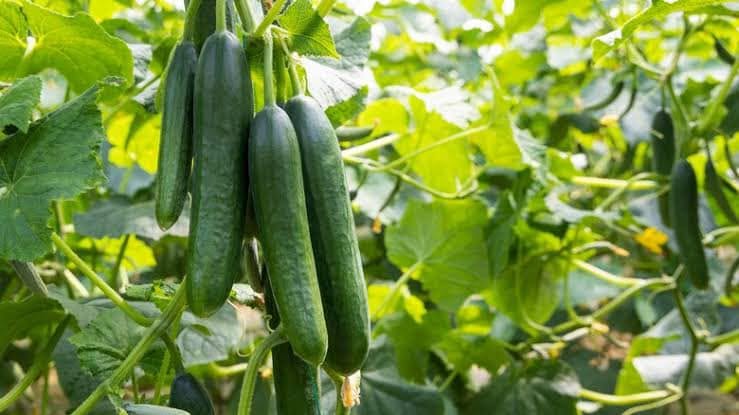
Cucumbers are one of the most popular greenhouse vegetables because they grow quickly, produce heavily and sell easily. Growing them under protection allows farmers to control temperature, reduce pests and avoid the damage caused by heavy rain, strong wind and hail. The result is higher yields, better quality fruit and a longer harvesting period than open-field farming.
Demand is steady and widespread. Hotels, restaurants, supermarkets, schools, salad bars and households all buy cucumbers throughout the year. Because greenhouse production can continue when open-field supply is low, farmers can often sell at better prices during off-season periods.
Choosing the right variety
Variety selection affects yield, fruit quality and disease resistance. Greenhouse growers commonly choose varieties bred for protected cultivation, such as seedless or parthenocarpic types that produce fruit without pollination. These tend to give smooth, uniform, long cucumbers preferred by supermarkets and hotels.
Choose hybrids with good resistance to common diseases like powdery mildew, downy mildew and viruses, and select according to your market preference, whether long, slim cucumbers or shorter types. Buy certified seed from reputable suppliers and ask local agro-dealers, seed companies and extension officers which varieties perform well in your area.
Greenhouse setup and Site selection
Choose a site with plenty of sunlight, good drainage, a reliable water source and easy access to markets and transport. The structure should have proper ventilation, since cucumbers are sensitive to heat and humidity. Side vents, roof vents and insect netting help control temperature and keep pests out.
Greenhouse size can range from small structures for beginners to large commercial units. Start with a size you can manage well, and make sure the greenhouse has strong framing, durable plastic covering and a good irrigation system. Costs vary by design and materials, so compare quotations from several greenhouse suppliers before building.
Soil preparation and planting
Cucumbers need well-drained, fertile soil rich in organic matter. Before planting, prepare beds thoroughly, remove weeds and incorporate well-decomposed manure or compost. Soil testing helps you apply the right nutrients and correct pH, which should generally be slightly acidic to neutral.
Some farmers grow cucumbers in raised beds, while others use bags or soilless media. Seedlings are usually raised in a nursery tray for a few weeks and then transplanted into the greenhouse, or seeds are sown directly. Spacing depends on variety and training method, so follow supplier recommendations. Good spacing allows airflow, which reduces disease.
Irrigation and fertilizer management
Cucumbers have high water needs, but they do not tolerate waterlogging. Drip irrigation is the best option in a greenhouse, as it delivers water directly to roots, saves water and keeps leaves dry, reducing disease risk. Water consistently, because irregular watering can cause bitter or misshapen fruit.
Feeding should be balanced and regular. Many growers use fertigation, where soluble fertilizers are applied through the drip system according to the crop stage. Young plants need nutrients that support growth, while fruiting plants need more potassium and other nutrients for quality yields. Use soil or water tests and supplier advice to design a feeding programme.
Training, Pruning and Support
Greenhouse cucumbers are typically trained vertically on strings or trellises. This saves space, improves air circulation, makes spraying and harvesting easier and produces straighter fruit. Plants are tied gently to the support as they grow, and side shoots and old leaves are pruned according to the chosen method.
Proper pruning keeps the plant balanced and prevents overcrowding. Remove damaged or diseased leaves promptly and keep the greenhouse clean. Training and pruning take time, but they significantly improve yield and fruit quality.
Pest and disease management
Common problems include powdery mildew, downy mildew, aphids, whiteflies, thrips and spider mites. Prevention is more effective than cure. Keep the greenhouse clean, use insect netting, control humidity, rotate crops where possible and monitor the crop regularly for early signs of trouble.
Use integrated pest management, combining good hygiene, resistant varieties, biological controls and approved pesticides applied exactly according to the label. Always observe pre-harvest intervals to protect consumers. Keeping records of sprays and treatments also helps with market compliance.
Harvesting and marketing
Cucumbers grow fast, and harvesting usually begins several weeks after transplanting. Pick fruit regularly, often every day or every other day, when it reaches the preferred size and while the skin is still tender. Harvest with a clean knife or by gentle twisting to avoid damaging the plant.
Sort and grade by size and quality, handle fruit gently and keep it cool and shaded. Sell to supermarkets, hotels, restaurants, open markets, schools and traders. Building relationships with regular buyers helps you secure stable prices. Packaging in clean crates or trays improves presentation and reduces damage during transport.
Costs, profitability and challenges
Main costs include greenhouse construction, irrigation equipment, seed, fertilizer, pest control, labour and transport. Profitability depends on yield, price, management and market access. High-quality management and good marketing are what turn a greenhouse into a profitable investment.
Challenges include disease pressure, high humidity, water quality, price fluctuations and the cost of the structure. Reduce risk by starting small, learning from experienced greenhouse growers, keeping good records and planning production to match market demand.
Greenhouse cucumber farming is a rewarding venture for farmers who are willing to manage details carefully. With the right variety, good water and nutrient management, strong hygiene and reliable buyers, you can produce high-quality cucumbers all year round and build a steady, profitable business.

Author: Moureen Koech
Moureen Koech is a passionate Digital Journalist, an adept Agribusiness Writer with a keen eye for news and an impactful story-teller,whose stories provide key value to Agripreneurs and stakeholders in the Agricultural sector