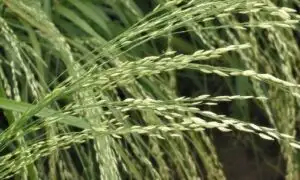
Teff (Eragrostis tef) is a tiny, nutritious cereal grain that originated in Ethiopia, where it has been grown for thousands of years. It is best known as the main ingredient in injera, the soft, spongy flatbread that is a staple in Ethiopian and Eritrean cuisine. The grain is so small that it is often compared to a poppy seed, yet it packs in protein, fibre, iron, calcium and other minerals.
Teff is naturally gluten-free, which has boosted its popularity among health-conscious consumers and people with gluten intolerance. As global interest in ancient grains and superfoods grows, teff has moved from a regional staple to an emerging international crop, creating opportunities for farmers and agribusinesses in East Africa and beyond.
Why teff farming is attractive
One reason for teff’s appeal is its toughness. It tolerates a range of conditions, including drought, waterlogging and poor soils better than many other cereals. This makes it a useful crop for farmers dealing with unpredictable weather. It also has a short growing season, usually maturing in about three to five months depending on variety and altitude, which fits well into crop rotations.
Demand is another driver. Diaspora communities, health food stores, bakeries and restaurants all buy teff grain and flour. Teff straw is also valued as animal feed and as a building material in some regions. With multiple products from one crop and a growing premium market, teff can be a profitable enterprise for farmers who learn to grow it well.
Climate and soil requirements
Teff grows well in many altitudes, from lowland areas to highlands, though best results usually come in moderate rainfall zones with temperatures that are neither extremely hot nor frosty. It prefers well-drained loam or clay-loam soils, but it can handle heavier soils better than many cereals. Poorly drained fields can still cause problems, so avoid areas where water stands for long periods.
Because exact conditions vary by variety and location, check with local agricultural research institutions and extension officers on suitable varieties and planting windows for your area before you begin. Teff is still a relatively new crop in many parts of Kenya, so local advice and small trial plots are especially valuable.
Land preparation and planting
Teff seed is extremely small, so land preparation is critical. The seedbed must be fine, level and free of weeds and large clods, as tiny seeds cannot push through rough soil. Plough and harrow the field several times to achieve a smooth surface. Many farmers prepare the land early to allow weeds to germinate and then destroy them before planting.
Seeds are usually broadcast by hand or planted in rows, often mixed with sand or fine soil to ensure even spreading. The seed rate is low compared with other cereals, but exact amounts depend on variety and method, so follow supplier or extension guidelines. After sowing, lightly cover the seeds or roll the soil, since deep planting can prevent germination.
Crop management
Early weed control is one of the biggest challenges in teff farming, because young seedlings are small and compete poorly. Hand weeding at the right stage, along with careful field preparation, is essential. Where suitable herbicides are approved and recommended, use them according to label and local advice.
Teff generally needs modest fertility, but applying manure or fertilizer based on soil tests can improve yields. Watch for lodging, where plants fall over, especially with heavy rain or excessive nitrogen. Selecting lodging-resistant varieties and avoiding over-fertilisation can reduce this risk. Monitor for pests and diseases, which are usually less severe than in many other cereals but still need attention.
Harvesting and post-harvest handling
Teff is ready for harvest when the plants turn yellow and the seeds are mature. Harvest carefully, as the tiny seeds can shatter and be lost. Cut the plants and let them dry on tarpaulins or clean floors, then thresh and winnow to separate the grain from the chaff. Because the grains are so small, they require fine sieves and cloth to prevent loss.
Dry the grain to safe moisture levels before storage and keep it in clean, airtight containers or bags, away from pests and moisture. Proper handling is important, since contamination with soil or stones can reduce price and quality, especially for flour markets.
Markets and Value Addition
Potential markets include Ethiopian and Eritrean restaurants, diaspora communities, health food shops, supermarkets, bakeries, millers and exporters. Selling grain directly is one option, but value addition can increase profit. You can mill teff into flour, package it in branded packs and supply injera makers, bakeries and retail outlets.
Other products include teff-based porridge flour, gluten-free baking mixes, snacks and ready-to-eat injera. Strong packaging, hygiene and consistent quality help you reach higher-paying buyers. Before planting large areas, talk to potential buyers so you know quality and price requirements.
Challenges
The main challenges include limited seed availability in some regions, low yields if poorly managed, labour demands during weeding and harvest, and the need to develop local markets. Teff is also a niche crop in many areas, so price can vary. Start small, test varieties, learn from experienced growers and gradually expand as you gain confidence and customers.
Teff farming offers an exciting opportunity for farmers who want to grow a resilient, high-value crop with rising demand. By preparing the seedbed carefully, controlling weeds, handling the harvest with care and exploring value addition, you can turn this tiny grain into a profitable agribusiness while diversifying your farm and reducing climate risk.

Author: Moureen Koech
Moureen Koech is a passionate Digital Journalist, an adept Agribusiness Writer with a keen eye for news and an impactful story-teller,whose stories provide key value to Agripreneurs and stakeholders in the Agricultural sector