


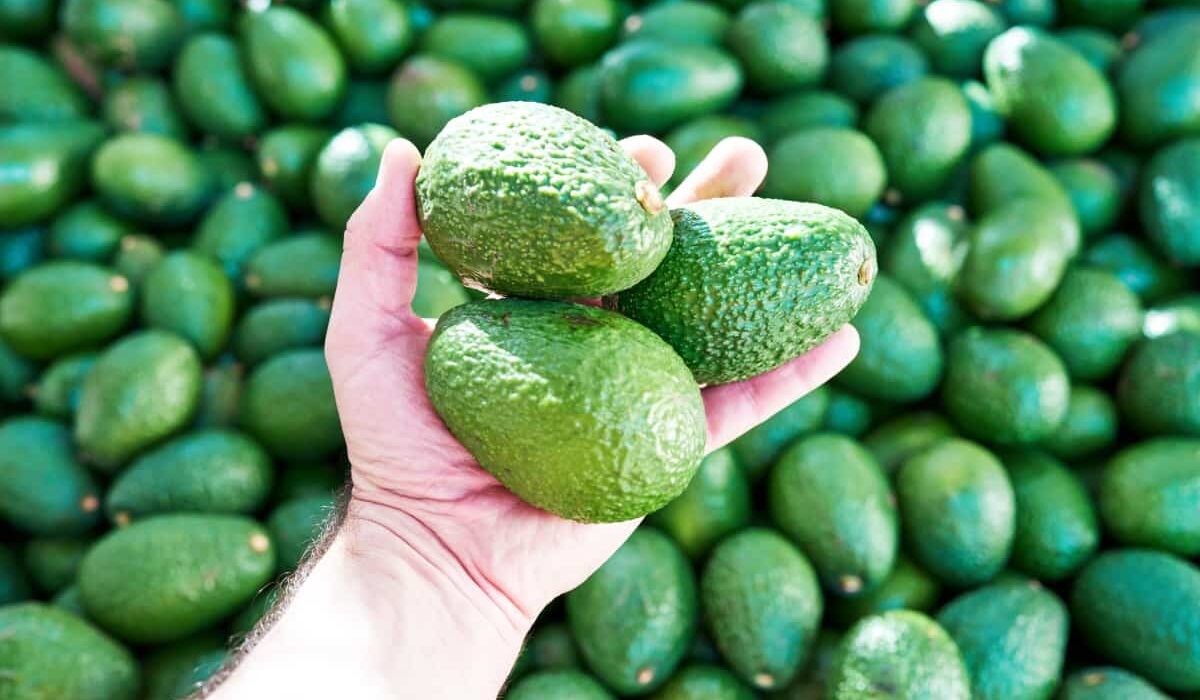
The avocado, often called “green gold”, has become one of the most sought-after fruits across the globe. Known for its creamy texture, delicious flavor and rich nutritional value, the avocado is a staple ingredient in homes, restaurants and health-conscious diets.
From guacamole in Mexico to avocado toast in Europe and smoothies in Africa, global demand for avocados has skyrocketed in the past decade and so has production.
According to data from the Food and Agriculture Organization (FAO), global avocado production has surged dramatically, with several countries emerging as key players in the market. Let’s take a closer look at the largest avocado-producing nations around the world and what makes them stand out.
Mexico — 2,191,500 Tonnes
Mexico is by far the world’s largest avocado producer, responsible for more than one-third of global supply. The country’s fertile volcanic soils, favorable climate and generations of avocado-growing expertise make it unbeatable in production and quality. The state of Michoacán alone supplies over 80% of Mexico’s avocados, many of which are exported to the United States, Canada and Europe. Avocados have become a billion-dollar export industry for Mexico, earning it the nickname “the avocado capital of the world.”
Dominican Republic — 701,660 Tonnes
The Dominican Republic ranks second globally, with avocado farming spread across its lush tropical landscape. Unlike Mexico, the country produces both local and hybrid varieties, catering to diverse global tastes. Its warm, humid climate allows for nearly year-round harvesting, giving it a unique edge. The Dominican Republic exports heavily to the U.S., Europe and the Caribbean, contributing significantly to its agricultural economy.
Peru — 411,810 Tonnes
Peru has rapidly risen to become one of the world’s top exporters of Hass avocados, thanks to massive investment in modern farming and irrigation systems. The Peruvian avocado season runs opposite to Mexico’s, allowing the country to fill market gaps in the off-season. The majority of Peruvian avocados are shipped to Europe, China and the United States, making it a key global supplier.
Chile — 220,210 Tonnes
Chile’s avocado industry thrives mainly in the central region of Valparaíso, where the Mediterranean climate is perfect for cultivation. Chile is a leading supplier to Europe, particularly Spain and the U.K. However, due to recent concerns over water use and sustainability, some producers have shifted toward more eco-friendly farming methods. Despite these challenges, Chile remains one of the biggest players in the global avocado market.
South Africa — 180,000 Tonnes
South Africa is Africa’s leading avocado producer, exporting most of its fruit to Europe and the Middle East. The main growing regions include Limpopo, Mpumalang and KwaZulu-Natal, which have warm, subtropical climates ideal for avocado farming. South Africa’s avocado industry is known for its high-quality fruit and sustainable farming practices, giving it a solid reputation in the global market.
Colombia — 174,866 Tonnes
Colombia’s avocado sector has grown exponentially in recent years, driven by the country’s fertile highlands and government support for exports. The Hass avocado is the main variety produced, with Europe as the top export destination. Colombia’s consistent rainfall and altitude create ideal growing conditions, helping it climb rapidly up the global rankings.
Kenya — 132,440 Tonnes
Kenya is the leading avocado producer in East Africa and a growing player on the global stage. The country produces both Fuerte and Hass varieties, which are exported mainly to Europe, the Middle East and Asia. Avocado farming has become a major source of income for thousands of smallholder farmers, especially in Murang’a, Kiambu and Nyeri counties. The Kenyan government has been promoting avocado exports aggressively and production continues to rise each year.
Israel — 122,000 Tonnes
Israel’s advanced irrigation technology and modern farming systems have positioned it among the world’s top avocado producers. The main growing areas are along the Mediterranean coast, where the warm climate ensures high yields. Israel exports a large portion of its avocados to Europe, particularly during winter months when supply from other regions is low
Uganda — 110,000 Tonnes
Uganda’s avocado industry has been expanding steadily as farmers embrace the fruit for both domestic consumption and export. The country’s favorable equatorial climate allows avocados to grow almost year-round. With increasing demand from Kenya, Europe and the Middle East, Uganda is quickly becoming a key avocado hub in Africa.
Ecuador — 96,000 Tonnes
Ecuador has joined the list of major producers thanks to its ideal growing conditions and strategic export routes. The country produces both Hass and local varieties, supplying markets in the United States, Europe and Asia. Avocado farming in Ecuador is part of a broader agricultural expansion that includes bananas and cacao, making it a rising star in the fruit export industry.
Several other countries contribute significantly to the global avocado supply chain. Spain (80,000 tonnes) leads production in Europe, while the Philippines, Brazil, Rwanda, Portugal, Tanzania and India are strengthening their presence in regional markets. Even nations like New Zealand, Morocco and Greece have joined the global race, driven by the rising popularity of avocados in health and wellness circles.
The global avocado market continues to boom, driven by the fruit’s nutritional value and growing popularity in international cuisines. Countries like Mexico, Peru, Kenya and South Africa have turned avocado farming into a major export earner, supporting millions of livelihoods. With sustainable farming practices and expanding markets, the world’s “green gold” shows no sign of losing its shine anytime soon.
Avocado production is more than just an agricultural trend , it’s a global movement connecting farmers, traders and consumers through a shared love for one of nature’s healthiest superfoods.

Author: Moureen Koech
Moureen Koech is a passionate Digital Journalist, an adept Agribusiness Writer with a keen eye for news and an impactful story-teller,whose stories provide key value to Agripreneurs and stakeholders in the Agricultural sector


