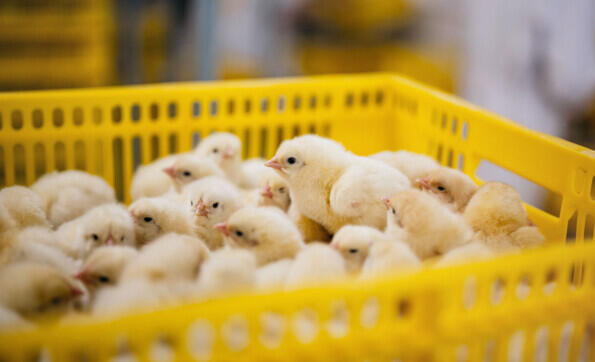
Brooding is one of the most critical stages in poultry farming. It refers to the period immediately after hatching when chicks need special care and attention to ensure their survival and healthy growth. The success of your flock largely depends on how well you manage these first few days. The moment your day-old chicks arrive, it’s up to you to assess the situation and make smart management decisions that give them the best possible start.
Unfortunately, many farmers make simple but costly mistakes during this stage. These errors can lead to high chick mortality, stunted growth and weak birds. So, if you’re planning to receive new chicks soon or even if you’ve been doing it for years,it’s worth reading this carefully till the end.
Not heating up the brooder in advance
One of the most common mistakes farmers make is forgetting to preheat the brooder. Chicks need warmth from the very first moment they arrive. If the brooder is cold, chicks can easily become chilled, weak and stressed, leading to higher mortality. Always heat up the brooder several hours before your chicks arrive. This allows the entire area—bedding, floor and air—to reach the right temperature of about 32–35°C(depending on your setup). Warmth is life for day-old chicks, so make sure they’re greeted by a cozy and comfortable environment.
Feeding the chicks too soon
As soon as chicks arrive, most farmers rush to give them feed—but this is a big mistake. Newly hatched chicks need to rehydrate before eating. During transport, they lose a lot of moisture and energy, so the first thing they should get is clean water mixed with glucose and vitamins. Let them drink for at least two hours before introducing feed. This helps re-energize them, rehydrate their systems and prepare their digestive tract for solid food. Once they’ve had enough to drink, you can slowly start feeding them quality chick starter feed.
Using big feeders
Another common error is using large feeders meant for older birds. Remember, day-old chicks are tiny and can’t easily reach food in deep or high feeders. Using big feeders leads to wastage and uneven feeding. For the first week, use shallow feeding trays where chicks can comfortably reach the feed. After that, gradually switch to small chick feeders as they grow. This ensures every chick gets enough food without crowding or missing out.
Using tarpaulin instead of brooder paper
Some farmers use tarpaulin as flooring material under the brooder, but this is risky. Tarpaulin doesn’t absorb moisture and quickly becomes slippery, making it hard for chicks to walk. Worse, it can harbor bacteria and create the perfect breeding ground for coccidiosis, a deadly disease. Instead, use brooder paper or absorbent material that provides grip, absorbs droppings and keeps the chicks dry. This simple change can make a huge difference in survival and comfort.
Using feed with big particles
Chicks have small beaks and delicate digestive systems. Giving them coarse feed with large particles makes it difficult to eat and digest, leading to poor growth. Always start with high-quality chick starter mash that has fine particles, formulated specifically for day-old chicks. The finer the feed, the easier it is for chicks to consume and digest efficiently. Proper feed size helps them gain weight evenly and reduces the risk of crop problems.
Not covering husks with brooder paper
When husks or bedding material are left exposed, chicks often mistake them for feed and start eating them. This can cause digestion problems, blockages and even death. To prevent this, cover the litter or husks with brooder paper for the first few days. Once the chicks learn to recognize real feed, you can remove the paper gradually. Proper covering helps them start off on the right diet and keeps them safe from accidental ingestion.
Too much heat in the brooder
While chicks need warmth, too much heat can be just as dangerous as too little. Excessive heat causes dehydration, panting and constipation. You’ll know it’s too hot if the chicks crowd away from the heat source or spread their wings and pant. The ideal brooding temperature should allow chicks to move freely toward or away from the heat source as needed. Always monitor their behavior to adjust temperatures accordingly. Balance is key.
Not providing enough space
Overcrowding is another common mistake that can lead to stress, suffocation, and uneven growth. Chicks need enough space to move around, eat and rest comfortably. When they’re cramped together, weaker chicks often get trampled or pushed away from feed and water. As a rule of thumb, provide at least 7–10 chicks per square foot during the first few weeks and increase space as they grow.
Upon arrival, your chicks are likely tired and dehydrated from transportation. Providing them with glucose and multivitamins in their water helps reduce stress and mortality. It boosts their energy, strengthens immunity and improves survival rates during the critical brooding stage. Healthy chicks mean a healthy and profitable flock.
Caring for day-old chicks is a delicate process that requires preparation, attention, and consistency. Avoiding these common mistakes can dramatically improve your success rate and help your chicks grow into healthy, productive birds.
Remember,the first week sets the foundation for the rest of your poultry project. Get it right and you’ll enjoy strong, vibrant and thriving chickens.

Author: Moureen Koech
Moureen Koech is a passionate Digital Journalist, an adept Agribusiness Writer with a keen eye for news and an impactful story-teller,whose stories provide key value to Agripreneurs and stakeholders in the Agricultural sector