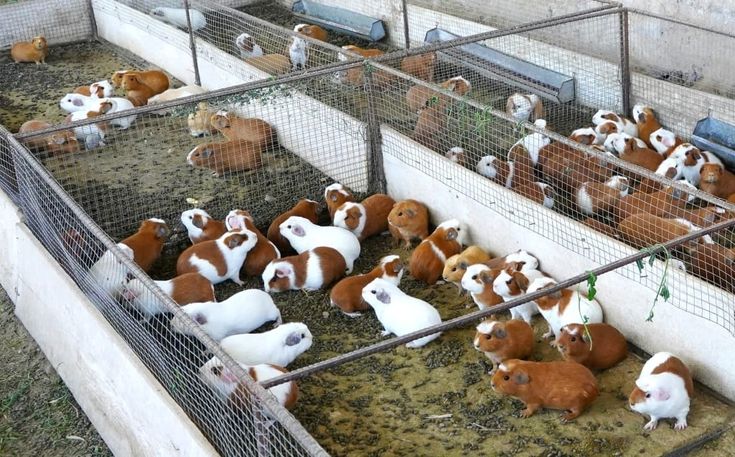
Rabbit farming has become increasingly popular among small-scale farmers and agripreneurs because it is affordable, manageable, and highly rewarding. Unlike many other livestock ventures, rabbit keeping requires minimal space and low initial capital, making it accessible for beginners and experienced farmers alike. The market for rabbit meat, breeding stock and related products continues to grow, creating promising opportunities for anyone willing to venture into this business. Below are ten detailed benefits of being a rabbit farmer and why this enterprise is worth considering.
Fast growth and early maturity
One of the biggest advantages of rabbit farming is the rapid growth rate of the animals. Rabbits mature quickly and in as little as three to five months, they are ready for market or breeding. This short production cycle allows farmers to raise several generations in a single year, increasing productivity and profitability. The ability to produce market-ready rabbits within a few months makes the business ideal for farmers who want a quick turnaround.
High reproductive potential
Rabbits are known for their impressive reproduction rate. A single doe can give birth to multiple kits several times a year, creating a continuous cycle of production. This high reproductive potential ensures a steady supply of rabbits for meat, breeding, or selling to new farmers. For anyone looking to scale their livestock business fast, rabbit farming provides a reliable path to expansion.
Low feeding costs
Feeding rabbits is surprisingly affordable. They can thrive on grasses, vegetables, weeds, and even certain kitchen leftovers. This significantly reduces the cost of feed and helps farmers maximize their profit margins. Compared to other livestock like pigs or cows that require expensive commercial feeds, rabbits remain economical to maintain. Their herbivorous nature also allows farmers to use locally available vegetation to sustain the animals without compromising nutrition.
Minimal space requirements
Rabbit farming does not demand large pieces of land. With properly designed cages or hutches, a farmer can comfortably keep rabbits in a small backyard or even in a small enclosed shelter. This makes rabbit farming suitable for urban, peri-urban and rural areas. People living in towns or those with limited land can still venture into rabbit production and make a decent income from their small space.
Healthy and nutritious meat
Rabbit meat is among the healthiest white meats available. It is high in protein, low in fat, and contains very little cholesterol, making it ideal for health-conscious consumers. As more people embrace healthier lifestyles, the demand for rabbit meat is steadily rising. Its nutritional value also opens opportunities for supplying hotels, restaurants, and households looking for lean, premium-quality meat.
Quick returns on investment
Because rabbits grow fast and reproduce frequently, farmers do not have to wait long to see the fruits of their investment. Many beginners start earning within a few months of starting their farm. The combination of low feeding costs, fast maturity and strong market demand ensures quick and attractive returns. This makes rabbit farming one of the most viable livestock ventures for individuals seeking a business with fast cash flow.
Simple management and low labor needs
Rabbits are relatively easy to manage compared to larger animals. They require less physical labor, minimal supervision and simple housing structures. Basic tasks such as feeding, cleaning cages, and monitoring health are easy enough even for beginners. Their calm nature and low maintenance needs make rabbit farming a stress-free venture suitable for people who have jobs or busy schedules.
Multiple Income Streams
Rabbit farming offers more than just meat production. Farmers can earn money from breeding stock, selling manure, crafting fur products or even offering training to new rabbit farmers. Rabbit manure is highly valued in organic farming because it improves soil fertility without burning plants. This diversity of income streams increases the overall profitability and sustainability of the rabbit enterprise.
Low Disease Incidence
Unlike other livestock that often suffer from outbreaks of serious diseases, rabbits are generally hardy animals. They are less prone to major infections, especially when kept in clean, well-ventilated cages. This reduces veterinary costs and lowers production risks. With proper hygiene and routine care, farmers can maintain a healthy colony with minimal losses.
Growing Market Demand
The demand for rabbit products especially meat—is steadily growing as consumers become more aware of its health benefits. Additionally, restaurants, butcheries, and wellness-focused markets increasingly seek reliable suppliers. This expanding market creates great opportunities for rabbit farmers to position themselves as trusted suppliers in a developing industry.
Rabbit farming stands out as one of the easiest, cheapest and most rewarding livestock ventures. With fast growth, high reproduction, low feeding costs and multiple income opportunities, it offers a reliable path to financial growth even for small-scale farmers. As demand for rabbit meat and products continues to rise, starting a rabbit farming business today can open the door to steady income and long-term success.

Author: Moureen Koech
Moureen Koech is a passionate Digital Journalist, an adept Agribusiness Writer with a keen eye for news and an impactful story-teller,whose stories provide key value to Agripreneurs and stakeholders in the Agricultural sector