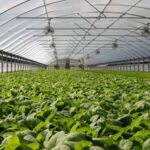
Farmer training plays a critical role in improving agricultural productivity, food security and rural livelihoods. As agriculture continues to evolve due to climate change, technology and market demands, farmers must continuously update their knowledge and skills. Training equips farmers with practical tools to farm efficiently, sustainably and profitably.
Benefits of farmer training
Enhancing agricultural productivity
One of the main benefits of farmer training is increased productivity. Training exposes farmers to improved farming techniques, modern inputs, and better crop and livestock management practices. When farmers understand proper planting methods, spacing, fertilization, and disease control, yields improve significantly.
For livestock farmers, training helps improve animal health, feeding practices, and breeding methods. This leads to higher milk, meat, or egg production and reduced losses from disease and poor management.
Promoting sustainable farming practices
Farmer training is essential for promoting sustainable agriculture. Farmers learn about soil conservation, water management, crop rotation, and integrated pest management. These practices help protect natural resources while maintaining productivity.
Training also raises awareness about climate-smart agriculture. Farmers are taught how to adapt to changing weather patterns, reduce environmental impact, and build resilience against droughts, floods and pests.
Improving farm management and record keeping
Many farmers struggle not with production, but with managing their farms as businesses. Training introduces farmers to basic agribusiness skills such as record keeping, budgeting, and cost management.
By learning how to track expenses, sales, and profits, farmers are able to make informed decisions. Proper farm management reduces waste, improves efficiency and increases profitability over time.
Increasing Access to Markets and Better Prices
Farmer training helps farmers understand market requirements, quality standards and value addition opportunities. Trained farmers are more likely to produce market-ready products that meet buyer specifications.
Training also educates farmers on collective marketing, contract farming, and negotiating fair prices. This empowers farmers to move beyond subsistence farming and participate effectively in commercial agriculture.
Supporting adoption of technology and innovation
Modern agriculture increasingly relies on technology. Farmer training helps bridge the gap between innovation and adoption. Farmers learn how to use improved seeds, mechanized tools, irrigation systems and digital platforms.
Training on mobile-based services enables farmers to access weather information, market prices, extension services and mobile payments. This improves efficiency and reduces uncertainty in farm operations.
Enhancing food security and nutrition
Farmer training contributes directly to food security and improved nutrition. By increasing production and reducing post-harvest losses, trained farmers ensure consistent food supply at household and community levels.
Training also promotes crop diversification and nutrition-sensitive agriculture. Farmers learn the importance of growing a variety of crops, including fruits and vegetables, to improve dietary diversity and health outcomes.
Empowering women and youth in agriculture
Training programs play a key role in empowering women and youth in agriculture. Access to knowledge helps women farmers improve productivity and gain financial independence. Youth training encourages innovation, entrepreneurship and employment in the agricultural sector.
By targeting inclusive training approaches, agriculture becomes more equitable and attractive to the next generation of farmers.
Reducing risks and farm losses
Agriculture is exposed to many risks, including pests, diseases, weather extremes, and market fluctuations. Farmer training equips farmers with risk management strategies such as crop insurance awareness, diversification, and early disease detection.
Trained farmers are better prepared to respond to challenges, reducing losses and improving farm resilience.
The importance of farmer training cannot be overstated. Training improves productivity, promotes sustainability, enhances farm management and increases income opportunities. It empowers farmers with knowledge and confidence to adapt to changing agricultural landscapes. Investing in farmer training is not just an investment in agriculture, but in food security, economic growth and sustainable development.

Author: Moureen Koech
Moureen Koech is a passionate Digital Journalist, an adept Agribusiness Writer with a keen eye for news and an impactful story-teller,whose stories provide key value to Agripreneurs and stakeholders in the Agricultural sector