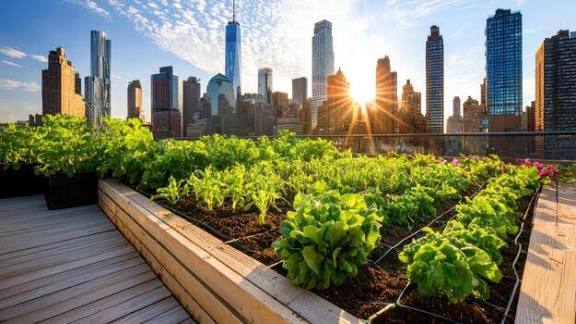
City life is fast, busy and increasingly expensive. As urban populations grow and food prices rise, more people are looking for ways to live healthier, earn extra income and reconnect with nature without leaving the city. This is where urban farming comes in. From balconies and rooftops to backyards and vacant plots, urban farming is transforming small spaces into productive agribusiness opportunities. Beyond fresh food, it offers a lifestyle that blends sustainability, wellness and entrepreneurship.
What is urban farming?
Urban farming refers to the practice of growing crops and raising small livestock within towns and cities. Unlike traditional rural farming, urban agriculture focuses on efficient use of limited space, modern technologies, and proximity to markets. It can be done on rooftops, balconies, container gardens, community spaces and peri-urban areas.
Urban farming is not just about food production; it is a business model that supports income generation, food security, and environmentally friendly living. With the right approach, urban farmers can supply households, restaurants, supermarkets and local markets.
Why urban farming is a smart business idea
Urban farming offers several advantages that make it an attractive agribusiness. The close proximity to consumers reduces transport costs and post-harvest losses. Fresh produce grown within the city is often preferred for its quality, freshness and traceability.
Urban farming also requires relatively low startup capital compared to large-scale agriculture. With creativity and smart planning, entrepreneurs can start small and scale gradually while maintaining steady cash flow.
Vegetable Farming in Small Urban Spaces
Vegetable farming is one of the most popular urban farming business ideas. Crops such as spinach, kale, lettuce, tomatoes, peppers, onions and herbs grow well in containers, sacks, raised beds or vertical gardens.
These vegetables have high demand in urban markets and short maturity periods, allowing for quick returns. Selling directly to households, hotels, and restaurants increases profitability while building a loyal customer base.
Hydroponics and vertical farming
Hydroponics and vertical farming are modern urban farming systems that maximize production in limited space. Hydroponics involves growing plants without soil using nutrient-rich water, while vertical farming stacks crops upward using shelves or towers.
These systems are ideal for rooftops, greenhouses and indoor spaces. Although initial setup costs may be higher, hydroponics offers higher yields, faster growth, and year-round production, making it a profitable long-term urban agribusiness.
Mushroom farming as an urban agribusiness
Mushroom farming is a low-space, high-return urban farming business. Mushrooms can be grown indoors using agricultural waste such as sawdust or straw. They require minimal light and can be cultivated in spare rooms, garages or simple structures.
With growing demand for mushrooms in supermarkets, restaurants and health-conscious households, mushroom farming provides steady income and quick harvest cycles.
Poultry and small livestock in urban areas
Raising small livestock such as chickens, quails, rabbits or guinea fowls is another viable urban farming business idea. Poultry farming for eggs or meat is especially popular due to consistent demand and quick turnover.
Urban livestock farming must follow local regulations and good hygiene practices. When well managed, it provides regular income and complements crop production through manure for organic farming.
Herbal and medicinal plant farming
Herbal and medicinal plants are well suited for urban farming due to their compact growth and high value. Crops such as mint, basil, aloe vera, lemongrass and rosemary can be grown in containers and small plots.
These plants are used in teas, cosmetics, and natural remedies, offering opportunities for value addition and niche marketing. Urban herbal farming aligns well with wellness and eco-conscious lifestyles.
Value addition and direct marketing
Value addition increases profitability in urban farming. Washing, packaging, drying, or processing produce adds value and extends shelf life. Urban farmers can also create branded products such as herbal teas, salad packs or organic vegetable boxes.
Direct marketing through farmers’ markets, social media and home deliveries strengthens customer relationships and boosts profits. Digital platforms make it easy to market urban farm products without expensive advertising.
Challenges and how to overcome them
Urban farming faces challenges such as limited space, water access and zoning regulations. Pests, pollution and inconsistent water supply can also affect productivity. However, these challenges can be managed through smart technologies, water harvesting and adherence to local guidelines.
Training, networking with other urban farmers and adopting sustainable practices improve success rates. Urban farming thrives on innovation and adaptability.
The future of urban farming is promising as cities prioritize sustainability, food security and green spaces. Innovations in smart farming, renewable energy and digital marketing are expanding opportunities for urban farmers.
Urban farming is more than a business, it is a lifestyle that promotes healthy living, environmental responsibility and economic independence.
Urban farming business ideas offer a unique blend of lifestyle and entrepreneurship. By transforming small urban spaces into productive farms, individuals can grow food, earn income and contribute to sustainable cities. With creativity, technology and market focus, urban farming can become a profitable and fulfilling agribusiness venture.

Author: Moureen Koech
Moureen Koech is a passionate Digital Journalist, an adept Agribusiness Writer with a keen eye for news and an impactful story-teller,whose stories provide key value to Agripreneurs and stakeholders in the Agricultural sector