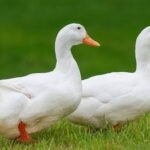
Free-range poultry farming is becoming increasingly popular among small-scale and commercial farmers. Consumers today prefer naturally raised chicken and eggs due to health concerns and improved taste. If you are looking for a low-cost, sustainable farming model, free-range poultry farming is an excellent option.
Unlike intensive poultry systems, free-range farming allows chickens to roam outdoors, forage for food and grow in a more natural environment. This not only reduces feed costs but also improves bird health and product quality.
What is free-range poultry farming?
Free-range poultry farming is a system where chickens are:
- Allowed to move freely outdoors
- Fed on natural vegetation, insects, and grains
- Raised with minimal confinement
Birds are provided with shelter at night but spend most of the day outside.
This system is commonly used for indigenous or kienyeji chicken farming.
Benefits of free-range poultry farming
1. Lower Feed Costs
Birds supplement their diet by foraging, reducing reliance on commercial feed.
2. Healthier Birds
Exercise and natural feeding strengthen immunity.
3. High Market Demand
Consumers often prefer free-range eggs and meat and are willing to pay higher prices.
4. Low Start-Up Capital
Housing and equipment requirements are minimal compared to intensive poultry systems.
5. Organic and Sustainable
The system supports environmentally friendly farming practices.
Suitable Chicken Breeds
Free-range systems work best with hardy breeds such as:
- Indigenous (Kienyeji) chickens
- Dual-purpose breeds
- Improved local breeds
These breeds adapt well to outdoor conditions and are more resistant to diseases.
Housing requirements
Although birds roam during the day, they need secure housing at night.
The poultry house should:
- Be well-ventilated
- Protect birds from predators
- Have perches for roosting
- Provide nesting boxes for laying hens
- Stay dry and clean
Allow about 3–4 birds per square meter inside the house.
Feeding management
Even in free-range systems, proper feeding is important.
Provide:
- Grains (maize, wheat, sorghum)
- Kitchen leftovers
- Greens and vegetables
- Clean drinking water
Supplement feeding ensures faster growth and better egg production.
Health and disease control
Although free-range birds are hardy, good management is essential:
- Vaccinate against common poultry diseases
- Maintain clean housing
- Provide fresh water daily
- Control parasites
- Quarantine new birds
Regular monitoring prevents disease outbreaks.
Egg and meat production
Free-range hens start laying eggs at around:
- 5–6 months of age
Egg production may be lower than commercial layers but prices are usually higher.
For meat production:
- Birds mature slower than broilers
- Meat is often preferred for taste and texture
Marketing opportunities
Free-range poultry products have strong demand in:
- Local markets
- Hotels and restaurants
- Urban consumers seeking organic food
You can sell:
- Eggs
- Mature chickens
- Day-old chicks
Proper branding can increase profitability.
Challenges of free-range poultry farming
- Predators such as dogs and birds of prey
- Weather exposure
- Slower growth rate compared to broilers
- Need for secure fencing
Good planning and farm management reduce these risks.
Is free-range poultry farming profitable?
Yes, it can be very profitable due to:
- Low operational costs
- Premium product pricing
- Strong consumer demand
Success depends on proper management, vaccination and market access.
Free-range poultry farming is a sustainable and beginner-friendly agribusiness model. It requires low capital investment, supports natural bird growth and offers good profit potential. With proper planning, you can build a reliable source of income while meeting the growing demand for organic and naturally raised poultry products.

Author: Moureen Koech
Moureen Koech is a passionate Digital Journalist, an adept Agribusiness Writer with a keen eye for news and an impactful story-teller,whose stories provide key value to Agripreneurs and stakeholders in the Agricultural sector