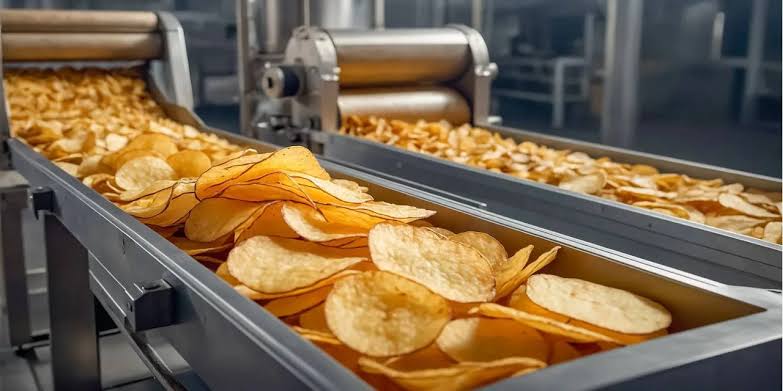
Agri-processing and small-scale food manufacturing are emerging as promising opportunities for entrepreneurs seeking to add value to agricultural produce, reduce post-harvest losses and create sustainable businesses in Kenya. By transforming raw agricultural products into market-ready foods, entrepreneurs can increase the value of farm produce, improve food availability and generate employment across rural and urban communities.
Kenya’s agricultural sector provides a strong foundation for food processing, with farmers producing maize, potatoes, fruits, vegetables, milk, cereals and other raw materials. However, a significant business opportunity lies in moving beyond the sale of raw produce to manufacturing products that meet changing consumer needs. From fruit juices and dried vegetables to yoghurt, flour and packaged snacks, small-scale food manufacturing can help entrepreneurs build profitable agribusinesses while supporting local farmers.
What is Agri-Processing and Small-Scale Food Manufacturing?
Agri-processing refers to the transformation of agricultural raw materials into products that are easier to store, transport, consume or sell. Small-scale food manufacturing involves producing food products in relatively small quantities for local, regional or specialised markets.
Examples include milling maize into flour, processing milk into yoghurt, converting fruits into juices and jams, drying vegetables, producing peanut butter and making crisps from potatoes. These businesses can operate from small processing facilities, community cooperatives or specialised production units, depending on the product and available capital.
Unlike businesses that depend entirely on selling fresh produce, food-processing enterprises can create additional value through packaging, preservation, branding and product differentiation. This allows entrepreneurs to explore markets such as supermarkets, retail shops, restaurants, schools and online customers.
Business Opportunities in Agri-Processing in Kenya
Kenya offers several opportunities for small-scale food manufacturers because of its diverse agricultural production and demand for convenient food products. Entrepreneurs can start with locally available raw materials and gradually expand their product ranges as their businesses grow.
Fruit and vegetable processing is one promising area. Mangoes, pineapples, bananas, tomatoes and other fruits can be processed into juices, dried snacks, sauces and jams. Drying and preservation can help extend shelf life and reduce losses when fresh produce is abundant. Entrepreneurs must, however, select suitable processing methods and maintain food safety throughout production.
Cereal and grain processing also presents opportunities. Maize, millet, sorghum, rice and other grains can be processed into flour, porridge mixes and ready-to-cook products. Packaging these products in convenient quantities can help small businesses serve households, retailers and institutional buyers.
Dairy processing offers another avenue for agribusiness investment. Milk can be transformed into yoghurt, fermented milk, cheese and other dairy products. Such businesses require appropriate equipment, reliable refrigeration where necessary, hygienic handling and compliance with applicable dairy regulations.
Other opportunities include potato crisps, dried herbs, spice blends, roasted groundnuts, peanut butter and packaged traditional foods. Entrepreneurs should research local demand, competing products and production costs before selecting a product.
How Agri-Processing Reduces Post-Harvest Losses
Post-harvest losses remain a challenge for farmers dealing with perishable products such as fruits, vegetables and milk. When produce cannot reach buyers quickly or storage facilities are inadequate, farmers risk losing part of their harvest.
Food processing offers one way to address this challenge by converting surplus produce into products with a longer usable life. For example, ripe mangoes can be processed into pulp or dried fruit, while suitable vegetables can be dried for later use.
Processing does not eliminate all losses, and it requires appropriate technology, reliable markets and safe production practices. Nevertheless, well-managed processing businesses can create alternative markets for farmers, especially during periods of high supply.
Starting a Small-Scale Food Manufacturing Business
Starting an agri-processing business requires careful planning, even when production begins on a small scale. Entrepreneurs should first identify a product with sufficient market demand and determine whether suitable raw materials are consistently available throughout the year.
The next step is to prepare a business plan covering equipment, premises, packaging, labour, transport, utilities and working capital. Equipment requirements will depend on the product. A cereal-milling business, for example, may require a mill, weighing scales and packaging equipment, while a juice-processing enterprise may need washing facilities, pulping equipment, suitable containers and refrigeration where required.
Entrepreneurs should begin with a manageable production capacity and test their products with potential customers before investing heavily in machinery. Reliable suppliers and established distribution channels are equally important because the success of food manufacturing depends on both production and sales.
Small businesses can also explore partnerships with farmer groups, cooperatives and agricultural aggregators to secure consistent supplies at competitive prices.
## Food Safety, Quality Control and Regulatory Compliance
Food safety is essential in agri-processing because contaminated or poorly handled products can harm consumers and damage a business’s reputation. Entrepreneurs must maintain clean production environments, use safe water, handle raw materials properly and apply appropriate storage and preservation methods.
In Kenya, businesses must establish which licences, inspections and product approvals apply to their specific operations. Depending on the product and premises, relevant requirements may involve county authorities, the Kenya Bureau of Standards (KEBS), the Kenya Dairy Board and other responsible agencies.
Labelling should also comply with applicable requirements, including relevant product information, ingredients, dates, storage instructions and other mandatory details. Businesses should verify current standards before launching products rather than assuming that all food categories follow identical rules.
Quality control should be built into every stage, from receiving raw materials to packaging and distribution. Maintaining consistent taste, texture, hygiene and packaging helps build consumer confidence and encourages repeat purchases.
Challenges Facing Small-Scale Food Manufacturers
Despite its potential, small-scale food manufacturing faces several challenges. Limited access to affordable financing can make it difficult for entrepreneurs to purchase processing machinery, establish suitable premises and maintain adequate working capital.
Unreliable electricity, high transport costs, seasonal raw-material supplies and expensive packaging can also affect production costs. In addition, businesses may struggle to compete with established brands that have stronger distribution networks and larger marketing budgets.
Entrepreneurs can respond by starting with a focused product range, improving production efficiency, sharing suitable facilities where permitted and building relationships with local retailers. Exploring digital marketing, direct sales and cooperative distribution can also help businesses reach customers without immediately investing in extensive retail infrastructure.
The Role of Agri-Processing in Kenya’s Economic Development
Agri-processing can strengthen the connection between farmers, manufacturers, distributors and consumers. By creating demand for locally produced agricultural commodities, processing businesses can provide additional income opportunities for farmers and support employment in rural communities.
The sector can also contribute to food security by improving preservation, diversifying food products and making certain foods available beyond their harvest seasons. Women and young entrepreneurs can participate through businesses such as spice production, grain milling, fruit drying and packaged traditional foods.
However, these benefits depend on commercially viable operations, responsible sourcing, food safety and access to reliable markets. Investment in skills, appropriate technology, infrastructure and supportive business policies can help small-scale manufacturers become more competitive.
Agri-processing and small-scale food manufacturing offer practical opportunities for entrepreneurs in Kenya to turn agricultural produce into higher-value products. From dairy products and cereal flour to fruit juices, dried vegetables and packaged snacks, the sector provides multiple entry points for businesses with different levels of capital and technical capacity.
The most sustainable approach is to identify a market need, secure reliable raw materials, invest in appropriate equipment and maintain strict food safety standards. With effective planning, strong supplier relationships and consistent product quality, small-scale food manufacturers can reduce post-harvest losses, create employment and contribute to the growth of Kenya’s agribusiness sector.

Author: Moureen Koech
Moureen Koech is a passionate Digital Journalist, an adept Agribusiness Writer with a keen eye for news and an impactful story-teller,whose stories provide key value to Agripreneurs and stakeholders in the Agricultural sector