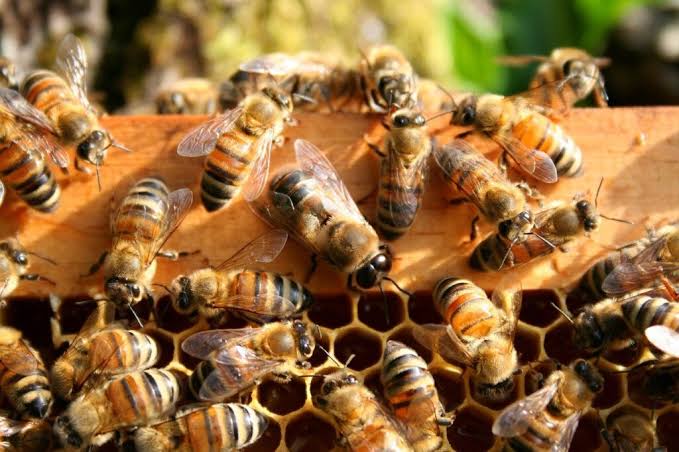
When most people think of beekeeping, they think of honey. Yet honey is only one of several products a healthy apiary can deliver. Smart beekeepers are discovering that pollination services, beeswax and propolis can add steady income and reduce reliance on a single harvest. For farmers and agripreneurs looking for low-cost, high-value ventures, diversified beekeeping is a strong opportunity.
Why diversify your beekeeping income?
Honey production depends heavily on weather, flowering seasons and colony strength. A poor season can leave a beekeeper with very little to sell. By adding other products and services, you spread the risk and earn from your colonies all year round. The same hives, the same bees and much of the same work can generate several income streams at once.
Pollination services: renting your bees to farmers
Pollination is arguably the most valuable thing bees do. Many crops, including avocados, macadamia, coffee, sunflower, watermelon, tomatoes and many fruit trees, produce better yields when bees visit their flowers. Studies and farmer experience consistently show that good pollination improves both the quantity and quality of harvests.
This creates a business opportunity. Instead of waiting for bees to wander onto a farm, crop growers can hire beekeepers to place hives in their fields during flowering. The beekeeper earns a rental fee per hive, while the farmer enjoys bigger yields. In many cases, the bees also still produce honey while working, so the beekeeper is paid twice.
To succeed, build relationships with horticulture and fruit farmers in your area. Learn the flowering calendars of local crops and offer to deliver hives at the right time. Agree on clear terms, such as the number of hives, the duration and the payment. Always keep farmers informed about pesticide spraying, since chemicals can kill whole colonies. A written agreement protects both sides.
Beeswax: A valuable by-product often wasted
Beeswax is produced by worker bees to build honeycomb. After honey is harvested, the leftover cappings and old combs are rich in wax, yet many beekeepers throw them away. This is a missed opportunity, because beeswax has a steady market.
It is used in candles, lip balms, body creams, soaps, furniture polish, food wraps and even in traditional medicine. Cosmetic and natural-product makers are especially keen on pure beeswax. To process it, melt the waste combs gently in a double boiler, strain out the dirt through a cloth and pour the liquid into moulds to cool into blocks. Never heat wax directly over a flame, because it is flammable.
You can sell raw wax blocks to manufacturers or add value by making your own candles and balms. Value-added products usually earn much more per kilogram than raw wax.
Propolis: The Bees’ natural medicine
Propolis is a sticky, resin-like substance bees collect from tree buds and sap. They use it to seal gaps in the hive and protect the colony from germs. Because of its natural antibacterial and antifungal properties, propolis is popular in health supplements, throat sprays, skin ointments and natural remedies.
Although each hive yields only a small amount, propolis sells at a high price per gram. Beekeepers can collect it by scraping hive frames or by using a propolis trap, a special mesh screen that bees fill with the resin. Store it in a cool, dry place, and clean out wood and wax pieces before selling. Many beekeepers sell it as tincture or processed extract for even better returns.
Other income ideas worth exploring
Beyond these three products, there are more options. You can sell bee colonies and nucleus hives to new beekeepers, offer training sessions or farm visits, and produce pollen and royal jelly on a small scale. Selling hives and giving training turns your experience into a business in itself.
Getting started the smart way
Begin small, with a handful of well-managed hives, and learn how your colonies behave across the seasons. Place hives near reliable water and good forage, and keep them clean to prevent pests and diseases. Keep records of production, costs and sales so you know which product earns the most. Join a local beekeepers’ group, where you can share equipment, find buyers and learn from experienced members.
Honey will always be the star of beekeeping, but it should not be the only act. Pollination services, beeswax and propolis can turn a modest apiary into a diversified agribusiness that earns through every season. With patience, good management and a little creativity, beekeepers can multiply their income while also supporting the environment and local food production.

Author: Moureen Koech
Moureen Koech is a passionate Digital Journalist, an adept Agribusiness Writer with a keen eye for news and an impactful story-teller,whose stories provide key value to Agripreneurs and stakeholders in the Agricultural sector