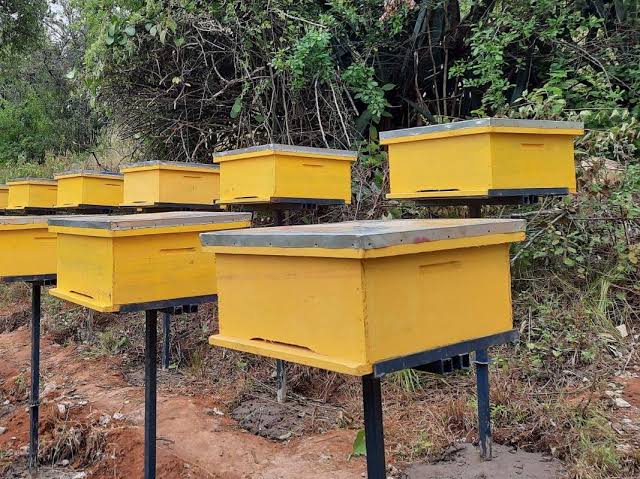
Beekeeping, also called apiculture, is growing steadily as more farmers, youth groups and households take up honey production. Honey, beeswax, propolis and pollination services all offer income, and every beekeeper needs equipment to start and operate safely. This creates a dependable market for those who make or sell hives, protective gear, tools and processing equipment.
Unlike many farm inputs, beekeeping equipment is durable and sold to both beginners and experienced keepers. A new beekeeper may buy several hives at once, while established farmers return for replacements, upgrades and expansion. With the right products and support, this can become a stable agribusiness with repeat customers.
Types of beekeeping equipment you can sell
The most important product is the beehive. Common types in Kenya include the Langstroth hive, the Kenya Top Bar Hive and the log hive, each with different costs, handling methods and honey yields. Langstroth hives are popular with commercial beekeepers because their frames allow easy inspection and higher production, while top bar hives are cheaper and suited to beginners and smallholders.
Protective gear is another strong category, including bee suits, veils, gloves and boots. Handling tools include smokers, hive tools, brushes, bee feeders and queen excluders. Harvesting and processing equipment includes honey extractors, uncapping knives, strainers, settling tanks, buckets and storage containers. You can also stock frames, foundation sheets, hive stands, swarm boxes and packaging items such as honey jars and labels.
Choosing between manufacturing and retailing
There are two main ways to enter the market. The first is retailing, where you buy equipment from manufacturers or suppliers and sell to beekeepers. This requires less skill and smaller startup capital, and you can begin with a few popular items.
The second is manufacturing, especially of hives, frames and protective clothing. If you have carpentry, tailoring or metalwork skills, you can produce items locally and sell at lower prices with higher margins. Many entrepreneurs start by retailing, learn what customers want, then gradually begin making some products themselves.
Understanding your market
Your customers include individual beekeepers, farmer groups, cooperatives, NGOs, youth projects, schools, churches and institutions supporting livelihoods. Honey-producing regions such as the drier lands of Kitui, Baringo, Makueni, Tharaka Nithi and parts of the Coast are strong markets, but interest is growing across the country, including in towns.
Spend time talking to beekeepers, extension officers and honey buyers to learn what they need. Find out which hive types dominate your area, what prices customers expect and where they currently buy supplies. Understanding these details helps you stock the right products and avoid slow-moving stock.
Startup requirements and costs
Startup costs depend on whether you retail or manufacture. A retailer needs a small shop or storage space, initial stock, a display area and transport. A manufacturer needs a workshop, tools such as saws and drills, quality timber, sewing machines for protective wear, and space to store materials and finished goods.
Use good-quality, treated or seasoned timber for hives, since poorly made hives can leak, warp or attract pests. Keep your pricing realistic by comparing quotations from several suppliers and working out your cost per item before setting prices. Begin with essential items and expand gradually.
Registration and compliance
Register your business and obtain the permits required by your county government. If you plan to deal in honey or related products alongside equipment, check food safety and quality requirements with the relevant standards authorities. Keep proper records of purchases, sales and expenses, and issue receipts to build credibility.
Also consider connecting with beekeeping associations and agricultural offices, as they can guide you on regulations, training and market opportunities.
Marketing your equipment business
Trust and demonstration are your best marketing tools. Show customers how a hive is assembled and used, and offer simple advice on placement, colony management and harvesting. Hold demonstration days at agricultural shows, farmer meetings and community events.
Use WhatsApp groups, Facebook pages and simple posters to reach beekeepers. Post photos of your products, share short videos of hive setups and offer starter packages that bundle a hive, protective gear and basic tools. Partnering with trainers, NGOs and beekeeping groups can bring bulk orders and long-term clients.
Adding services to increase income
Selling equipment is only one revenue stream. You can offer hive installation, beekeeping training, hive repairs, colony catching and ongoing advice. Some businesses also buy honey from customers and resell it, creating a link between equipment sales and honey markets.
Offering after-sales support builds loyalty. When customers see you as a partner who helps them succeed, they return for more equipment and recommend you to others.
Challenges and how to manage them
Common challenges include seasonal demand, price competition, access to quality materials and customers who lack startup capital. To manage seasonality, plan stock around peak periods before the main honey harvest and rainy seasons. Offer affordable starter kits and consider flexible payment arrangements for groups.
Quality control is vital. Test your products, avoid cutting corners and fix problems quickly. A reputation for durable, well-made equipment will keep customers coming back.
A beekeeping equipment business offers an opportunity to serve a growing sector with practical, in-demand products. By understanding your customers, choosing the right products, maintaining quality and offering helpful advice, you can build a reliable enterprise that supports honey producers and grows alongside them.

Author: Moureen Koech
Moureen Koech is a passionate Digital Journalist, an adept Agribusiness Writer with a keen eye for news and an impactful story-teller,whose stories provide key value to Agripreneurs and stakeholders in the Agricultural sector