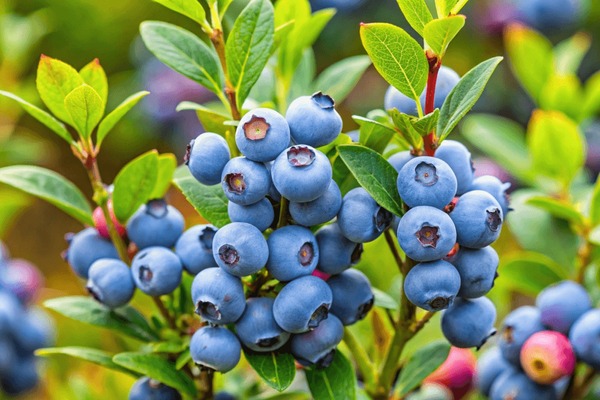
Blueberry farming is a profitable and fast-growing agricultural venture, driven by increasing global demand for healthy and nutritious fruits. Blueberries are widely valued for their high levels of antioxidants, vitamins and dietary fiber, making them a favorite in both fresh markets and processing industries. As awareness of healthy eating continues to grow, blueberries are becoming a high-value crop for farmers looking to diversify their income streams.
Traditionally, blueberries were grown in cooler regions such as North America and parts of Europe. However, the development of improved varieties has made it possible to cultivate blueberries in warmer climates, including some regions in Africa. With proper farm management practices, farmers can successfully establish productive blueberry farms and tap into both local and export markets.
Choosing the right blueberry variety
The success of blueberry farming begins with selecting the right variety suited to your climate. There are three main types of blueberries: highbush, lowbush and rabbiteye. Highbush blueberries are commonly grown in temperate regions, while lowbush varieties are mainly used for processing.
For farmers in warmer regions, rabbiteye blueberries are the most suitable option. These varieties are more tolerant to heat and can adapt better to fluctuating weather conditions. Choosing certified, disease-free planting materials from reliable nurseries is essential to ensure healthy crop establishment and long-term productivity.
Soil requirements and preparation
Blueberries thrive in acidic soils with a pH range of 4.5 to 5.5. This is one of the most critical requirements in blueberry farming. If the soil is not naturally acidic, farmers must amend it before planting. Organic materials such as pine bark, peat moss, and sawdust can help improve soil acidity and structure. Sulfur can also be added to gradually lower soil pH.
Proper land preparation is essential for successful blueberry cultivation. The soil should be well-drained, as blueberries are highly sensitive to waterlogged conditions. Poor drainage can lead to root rot and plant death. Raised beds are highly recommended, especially in areas with heavy soils, as they improve drainage and promote healthy root development.
Planting and spacing
Correct planting techniques play a key role in maximizing yield. Blueberry plants should be spaced between 1 to 1.5 meters apart, depending on the variety. Adequate spacing ensures proper air circulation, reduces the risk of diseases, and allows sufficient sunlight to reach all parts of the plant.
When planting, it is important to ensure that the root system is well covered and the plant is firmly established in the soil. Adding mulch around the base of the plant immediately after planting helps conserve moisture and suppress weed growth.
Water management and irrigation
Water is a crucial factor in blueberry production. These plants require consistent moisture, particularly during flowering and fruiting stages. Inconsistent watering can lead to poor fruit development and reduced yields.
Drip irrigation is the most recommended method for blueberry farming. It delivers water directly to the root zone, reduces water wastage and helps maintain optimal soil moisture levels. In addition, mulching with materials such as wood chips, straw or sawdust helps retain soil moisture, regulate temperature and minimize weed competition.
Fertilization and pruning practices
Blueberries require specific nutrients to thrive, especially fertilizers designed for acid-loving plants. Nitrogen is particularly important for promoting healthy vegetative growth. However, over-fertilization should be avoided, as it can damage the plants.
Pruning is another essential practice in blueberry farming. It should be done annually to remove old, weak or diseased branches. This encourages new growth and improves fruit quality and size. Proper pruning also enhances air circulation within the plant canopy, reducing the risk of diseases.
Pest and disease management
Like any crop, blueberries are susceptible to pests and diseases. Common pests include birds, aphids and mites, which can significantly reduce yields if not controlled. Birds, in particular, are a major threat during the fruiting stage.
Farmers can use netting to protect berries from bird damage. Organic pest control methods, such as neem-based sprays, can help manage insect infestations. Maintaining good farm hygiene, including removing plant debris and controlling weeds, is essential for preventing disease outbreaks.
Diseases such as root rot and powdery mildew can also affect blueberry plants. Proper drainage, correct spacing, and regular monitoring are key to preventing these issues. Early detection allows farmers to take timely action before the problem spreads.
Harvesting and post-harvest handling
Blueberries typically start producing fruits 2 to 3 years after planting, with full production achieved in 5 to 6 years. The berries are ready for harvest when they turn fully blue and slightly soft to the touch.
Harvesting should be done carefully to avoid bruising the fruits, as blueberries are delicate and highly perishable. Gentle handling helps maintain quality, especially for fresh market sales.
After harvesting, blueberries can be sold fresh or processed into value-added products such as juice, jam, or dried snacks. Processing not only extends shelf life but also increases profitability by opening up additional market opportunities.
Blueberry farming offers a promising opportunity for farmers looking to invest in high-value horticulture. With the right variety selection, proper soil management, efficient irrigation and good farm practices, blueberries can thrive even in non-traditional growing regions.
As demand for healthy fruits continues to rise, blueberry farming has the potential to generate significant income for farmers. By focusing on quality production and exploring value addition, growers can maximize returns and build a sustainable agribusiness.

Author: Moureen Koech
Moureen Koech is a passionate Digital Journalist, an adept Agribusiness Writer with a keen eye for news and an impactful story-teller,whose stories provide key value to Agripreneurs and stakeholders in the Agricultural sector