
Chicken feather loss: Diagnostic patterns and solutions
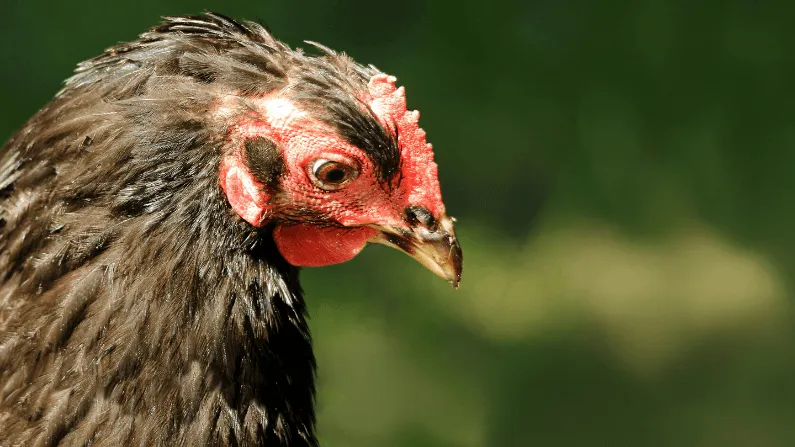
Feather loss in chickens is more than a cosmetic problem; it is a direct indicator of flock health, management practices, and environmental conditions. By understanding the specific patterns of feather loss, farmers can quickly diagnose underlying issues and apply the right interventions. This guide explores common feather-loss patterns, their causes and the best solutions to restore flock welfare and productivity.
Diagnostic feather loss patterns
Feather loss rarely happens randomly. Different body areas point to different issues, making pattern recognition a valuable diagnostic tool for poultry keepers.
1. Neck Feather Loss – Calcium Deficiency
Loss of feathers around the neck often indicates nutritional imbalances, particularly calcium deficiency. Laying hens require 3.5–4% dietary calcium for strong eggshell formation and normal metabolic function. Birds experiencing neck feather loss often lay soft-shelled or shell-less eggs and show a noticeable drop in egg production. Correcting the diet is essential to reverse this condition.
2. Back Feather Loss – Stress or Mating Damage
Damage to the back feathers typically results from excessive mating, especially when the rooster-to-hen ratio is too high. A healthy ratio should be one rooster for every 8–12 hens. When this balance is off, hens experience constant mounting pressure that leads to broken feathers and exposed skin. Stress, aggressive flock mates or improper handling can also contribute to back feather loss.
3. Belly Feather Loss – Broodiness
Broody hens naturally pluck feathers from their bellies to create a warm “brood patch” that allows better heat transfer to their eggs. This is a normal maternal behavior and not a health concern unless it becomes excessive or occurs in non-broody breeds.
4. Tail Feather Loss – Stress and Aggression
Tail feather loss is commonly linked to environmental or social stress. Overcrowding, insufficient space, or bullying within the flock leads to tail pecking. Inadequate space encourages pecking order conflicts, causing feathers to be pulled out or broken.
5. Patchy Feather Loss – Molting or Malnutrition
Patchy, uneven feather loss often points to natural molting or protein deficiencies. During molting, birds require increased dietary protein (16–20%) to regrow feathers. Without proper nutrition, molting becomes irregular and patches remain bare for longer periods.
6. Full-Body Feather Loss – Disease or Severe Parasitism
Widespread feather loss across the entire body signals a serious problem. Heavy mite or lice infestations, systemic diseases or severe malnutrition can cause feathers to fall out rapidly. Immediate diagnosis and treatment are needed to prevent flock-wide losses.
Primary causes of feather loss in chicken
Understanding the root causes behind these patterns is key to managing and preventing feather loss.
Natural Molting
Chickens molt annually, typically in late summer or fall. This process lasts 8–16 weeks and temporarily stops egg production as nutrients shift from laying to feather regrowth.
External Parasites
Mites, lice, and fleas cause intense itching, leading birds to scratch and pull out feathers. Red mites hide in coop crevices, while Northern fowl mites and lice live directly on the bird, feeding continuously on blood or skin debris.
Nutritional Deficiencies
Feathers are made of protein. Lack of protein, essential amino acids such as methionine and cysteine, or vitamins like biotin and pantothenic acid leads to weak, brittle feathers and poor regrowth.
Environmental and Social Stress
Poor ventilation, overcrowding, extreme temperatures, insufficient lighting, and unclean conditions increase stress. Stressed birds often resort to pecking themselves or others.
Behavioral Problems
Feather pecking and cannibalism are behavioral issues driven by boredom, lack of enrichment, or nutrient deficiencies. Once started, these behaviors spread quickly through flock social learning.
Excessive Mating
Too many roosters or overly aggressive males cause feather loss on the backs, necks and heads of hens. Exposed skin increases the risk of infection.
Diseases
Follicle infections, viral diseases and conditions that trigger itching or irritation directly affect feather development.
Management solutions
Nutritional Support
Provide a complete layer feed containing 16–18% protein or 20–22% during molting. Offer free-choice calcium sources like oyster shells, protein-rich treats and vitamin supplements. Ensure adequate feeder space to reduce competition.
Parasite Control
Conduct routine inspections under wings, around vents, and on the skin. Treat birds and the coop simultaneously, replace bedding and provide dust baths with food-grade diatomaceous earth.
Stress Reduction
Maintain at least 4 sq ft per bird indoors and 10 sq ft outdoors. Ensure consistent routines, ventilation, and enrichment such as perches, hanging treats, dust baths and hiding areas.
Flock Management
Use appropriate rooster ratios, provide hen saddles for protection, isolate aggressive birds and introduce new birds gradually.
Housing and Hygiene
Keep coops dry, clean and well-lit. Provide 14–16 hours of light for layers, regulate temperatures, and offer multiple feed and water stations.
Health monitoring
Quarantine new birds for 30 days, maintain flock records and consult a veterinarian for severe or unexplained feather loss.
Recovery expectations
Once underlying issues are corrected, feather regrowth takes 6–12 weeks. Patience is essential as feathers grow slowly.During recovery, protect exposed skin, ensure strong nutrition and continue monitoring to prevent recurrence.
By understanding feather loss patterns and applying the right solutions, farmers can maintain healthier, more productive flocks and reduce long-term management problems.

Author: Moureen Koech
Moureen Koech is a passionate Digital Journalist, an adept Agribusiness Writer with a keen eye for news and an impactful story-teller,whose stories provide key value to Agripreneurs and stakeholders in the Agricultural sector