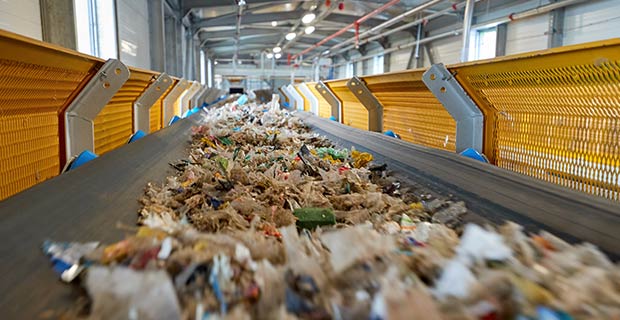
Agribusiness is at a crossroads. Traditional linear systems where natural resources are extracted, used once and discarded as waste are proving unsustainable environmentally, socially, and economically. A growing global demand for food, rising production costs, climate change impacts and resource scarcity make the need for innovative models urgent. One such model gaining traction is the circular economy, which holds the promise of transforming agribusiness into a resilient, sustainable, and profitable sector.
This article explores what a circular economy means in agribusiness, its key principles, practical applications, benefits, challenges and how agripreneurs can adopt circular practices.
What is a circular economy?
A circular economy is a systems-level approach to production and consumption designed to eliminate waste, keep products and materials in use and regenerate natural systems. Unlike the traditional “take-make-dispose” model, a circular economy closes resource loops, reduces environmental impact, and adds economic value by rethinking how resources are used.
In agribusiness, this means designing farming systems and supply chains that reduce waste, reuse biological and material inputs, recycle nutrients and extract value from by-products.
Why circular economy matters in agribusiness
Agribusiness accounts for nearly one-third of global greenhouse gas emissions and uses significant water, land and energy resources. Kenya’s agriculture sector like many others faces challenges including soil degradation, post-harvest losses, wasteful supply chains and market inefficiencies. A circular economy addresses these issues by:
- Reducing losses and waste
- Improving resource efficiency
- Enhancing soil health and biodiversity
- Lowering production costs
- Creating new revenue streams
By closing loops and minimizing waste, circular systems improve resilience against climate change and volatile input prices, making agribusiness both profitable and sustainable.
Core principles of the circular economy in agribusiness
There are three foundational principles that guide circular agribusiness:
1. Eliminate waste through design
Waste is viewed not as a by-product but as a design flaw. Cropping systems, processing facilities and supply chains should be configured to avoid waste at every stage.
2. Keep materials and nutrients in use
Biological materials (like crop residues and manure) should be cycled back into production systems instead of being discarded. This includes composting, anaerobic digestion, and nutrient recycling.
3. Regenerate natural systems
Instead of depleting ecosystems, circular agribusiness builds soil health, enhances ecosystem services and supports biodiversity.
Practical applications of circular economy in agribusiness
1. Organic Waste Management and Composting
Crop residues, fruit and vegetable waste, and animal manure can be composted to create nutrient-rich soil amendments. Rather than burning or discarding waste, farmers can produce on-farm compost that improves soil structure, water retention and yields.
2. Nutrient cycling and integrated farming
Integrated systems like agroforestry mixed crop-livestock farming and aquaponics keep nutrients within the system. Livestock manure can fertilize crops; crop residues feed animals; and fish waste fertilizes plants creating circular nutrient flows.
3. Biological control instead of chemicals
Using natural pest control methods (e.g., beneficial insects, crop rotation and cover crops) reduces chemical inputs, protects ecosystems, and enhances soil biology aligning with regenerative goals.
4. Value addition from By-Products
By-products such as fruit peels, bran and husks can be processed into animal feeds, biochar, bioenergy or fiber products. For example, rice husks can be processed into biomass fuel or building materials.
5. Renewable energy integration
Solar dryers, biodigesters and biogas systems can convert organic waste into renewable energy for farm use, reducing dependence on fossil fuels and lowering production costs.
6. Circular Supply Chains and Resource Sharing
Farmers can collaborate through cooperatives or digital platforms to share machinery, storage facilities and distribution networks, reducing duplication, waste and inefficiencies.
Case Examples (Global & Local)
While the circular economy is gaining global attention, many Kenyan agripreneurs and cooperatives are already practicing circular principles without labeling them as such:
- Bio-digesters on dairy farms turning manure into biogas for cooking and lighting
- Rice millers converting husks into briquettes for sale as cooking fuel
- Vegetable farmers composting green waste to improve soil fertility
- Farmers forming cooperatives to reduce post-harvest losses through shared cold storage
- Agroforestry projects that integrate trees, crops and livestock for nutrient cycling
These practices improve productivity, incomes and resource efficiency the essence of circular agribusiness.
Benefits of circular agribusiness
Economic benefits
- Lower input costs
- New revenue streams from waste products
- Reduced dependency on imported fertilizers and fuels
Environmental Benefits
- Reduced greenhouse gas emissions
- Improved soil health and water quality
- Enhanced biodiversity and ecosystem services
Social benefits
- Job creation in processing and recycling sectors
- Strengthened rural economies
- Increased food security and resilience
Challenges and how to overcome them
Despite its promise, circular agribusiness faces challenges such as:
- Lack of awareness and training
- Upfront investment costs
- Limited access to technology and markets
- Policy and infrastructure gaps
Solutions include:
- Training farmers on circular practices
- Accessing grants, loans and climate funds
- Building multi-stakeholder partnerships
- Advocating for supportive policies and incentives.
The circular economy represents a powerful opportunity to transform agribusiness in Kenya and beyond. By embracing principles of waste elimination, nutrient cycling and ecosystem regeneration, farmers can build resilient, profitable and sustainable systems. As markets and consumers increasingly value sustainability, circular agribusiness will not only protect the environment but also unlock new economic potential.

Author: Moureen Koech
Moureen Koech is a passionate Digital Journalist, an adept Agribusiness Writer with a keen eye for news and an impactful story-teller,whose stories provide key value to Agripreneurs and stakeholders in the Agricultural sector